


Washroom Floor Tiles Design for Refined and Practical Interiors
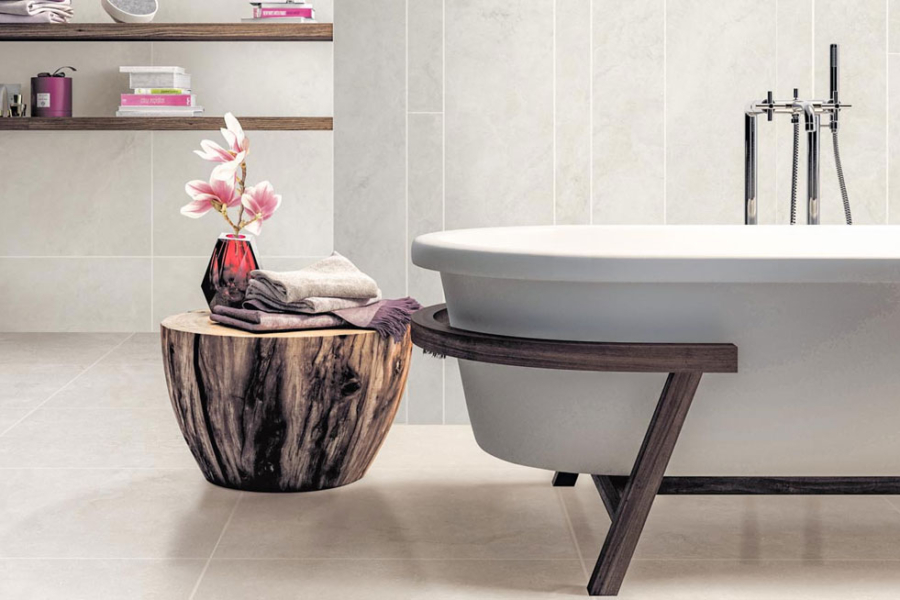
A well-planned washroom floor tiles design should combine visual balance, water resistance, safe footing, easy maintenance and long-term material appeal. The best results come from choosing the tile format, finish, grout layout and colour palette together rather than treating each element as a separate decision.
At Showtile, homeowners, designers, architects and builders can explore premium tile options suited to refined wet-area interiors. The right floor should support the vanity, shower, bathtub, tapware and wall finishes while remaining practical for daily use, making thoughtful material selection essential to a cohesive washroom design.
What Makes a Washroom Floor Both Refined and Practical?
A successful washroom floor should respond to moisture, traffic, room proportions and the overall interior palette. Porcelain bathroom tiles, wet-area floor tiles and selected mosaics can all work well when the finish and format suit the intended application.
Why Does Surface Performance Matter in Wet Areas?
Washroom floors regularly encounter water around showers, vanities and baths, so surface performance should be considered before colour or pattern.
A suitable floor finish should provide:
- Appropriate grip for the intended wet area
- Resistance to moisture
- Practical cleaning requirements
- Compatibility with the selected grout
- A surface character that fits the design concept
A matt appearance should not automatically be assumed to provide the same slip performance across every product. Designers and builders should review the technical specification of the chosen tile for the intended installation.
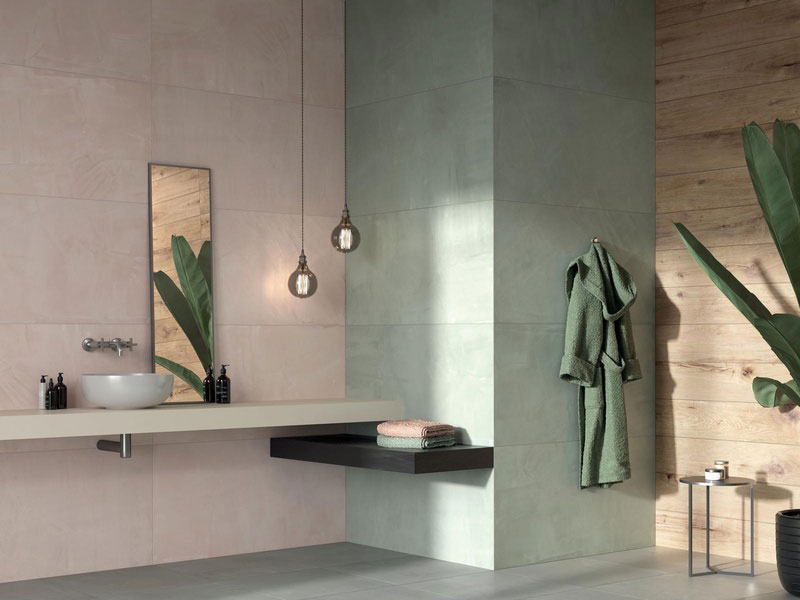
Refined floor tiles create a calm, cohesive washroom interior
For projects where wet-area performance is a priority, the broader Showtile tile collection allows homeowners and professionals to compare porcelain, floor tiles, stone-look finishes, terrazzo-inspired surfaces and other premium material directions.
How Should Floor Tiles Respond to Washroom Proportions?
Tile scale should be selected in relation to the room dimensions rather than according to a simple rule such as “small rooms need small tiles.”
Larger formats can reduce grout lines and create a calmer floor plane. Smaller tiles can introduce more visual rhythm and may be useful where complex floor falls or drainage conditions are involved.
The strongest bathroom floor planning considers:
- Overall floor dimensions
- Shower footprint
- Drain position
- Vanity size
- Door location
- Floor transitions
- Tile cuts around edges and fixtures
The washroom floor should look intentional from the entrance rather than appearing as a collection of leftover cuts around sanitary fittings.
Which Tile Materials Work Best for Premium Washroom Floors?
Porcelain is one of the most versatile materials for washroom flooring, while stone-look, terrazzo-look and mosaic options offer different levels of texture and visual character. The right material depends on whether the design calls for restraint, warmth, contrast or a more decorative feature.
Why Is Porcelain a Strong Choice for Washroom Flooring?
Porcelain tiles are widely used because they combine durability with a broad range of design options. Premium porcelain can reproduce limestone, travertine, concrete, marble and other mineral surfaces without requiring every project to rely on natural stone.
Porcelain works especially well when the goal is to create:
- A calm spa-inspired washroom
- A contemporary architectural interior
- A large-format floor with fewer grout lines
- A coordinated floor-and-wall scheme
- A practical surface for daily family use
The final choice should still be based on application, finish and specification rather than appearance alone.
When Do Stone-Look Tiles Create a More Luxurious Effect?
Stone-look bathroom tiles are particularly effective when a washroom needs warmth without excessive decoration.
Limestone-inspired porcelain can work with oak cabinetry, brushed brass, soft whites and warm neutral paint. Travertine-inspired surfaces introduce gentle movement without creating the strong visual contrast associated with highly veined marble.
This approach is especially suitable for:
- Master ensuites
- Spa-inspired bathrooms
- Boutique accommodation
- High-end apartment interiors
- Architectural renovations
The floor should usually act as a grounding material rather than compete with every other finish in the room.
When Should Terrazzo-Look Tiles Become Part of the Floor Palette?
Terrazzo-look tiles can create either a subtle mineral texture or a stronger feature depending on aggregate size and colour contrast. A fine aggregate works well when the design needs quiet movement, while larger chips create a more expressive surface for powder rooms, guest bathrooms and hospitality-inspired interiors.
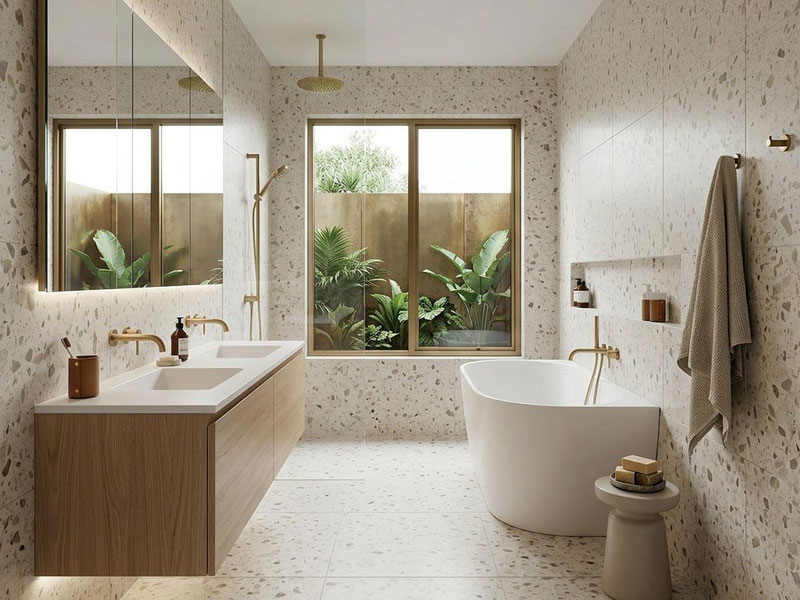
Practical wet-area tiles combine style, durability and comfort
For projects that need a refined terrazzo statement, Vera Terrazzo can be considered as part of a coordinated floor palette. Pairing terrazzo with restrained joinery, simple wall finishes and complementary tapware helps keep the washroom sophisticated rather than visually crowded.
When Are Non-Slip Tiles Better for Wet Areas?
Non Slip Tiles are particularly valuable in washrooms where water exposure makes surface grip an important part of the floor specification. The right slip-resistant finish can support safer movement while still maintaining a refined material palette.
Non-slip tiles are especially relevant for:
- Shower-adjacent floors
- High-use family washrooms
- Wet zones around freestanding baths
- Commercial washrooms
- Areas where additional underfoot grip is required
Slip resistance should still be assessed according to the specific product and intended application. Showtile also offers P4-rated options designed for wet areas, allowing performance requirements to be considered alongside colour, format and surface character.
How Should Tile Size and Layout Be Chosen?
Tile size and layout should respond to the washroom geometry, drainage arrangement and desired visual rhythm. The best layout is not necessarily the most decorative one; it is the one that makes the room feel resolved.
Can Large-Format Tiles Work in Small Washrooms?
Yes. Large-format bathroom tiles can make compact washrooms feel calmer by reducing the number of visible grout lines.
Large tiles often work well when:
- The room has a simple rectangular footprint
- Floor falls are manageable
- The drain strategy supports the selected format
- The installer can avoid awkward sliver cuts
A compact ensuite can still feel generous when the floor reads as one continuous material field.
For a broader understanding of how tile proportions and layouts influence different interior floors, Showtile also explores tiles on floor design across residential applications.
When Do Smaller Formats Create a Better Result?
Small-format tiles introduce more joints, which can create stronger texture and a more tactile floor.
They are useful when:
- The washroom floor has complex geometry
- The shower requires multiple falls
- The design calls for a detailed feature surface
- A small powder room needs more visual character
The format should still relate to the vanity, wall tile and room proportions so the design does not become fragmented.
Which Tile Layouts Work Best in Contemporary Washrooms?
Different layouts create different levels of visual movement.
A straight grid feels controlled and architectural, while staggered formats can feel softer. Herringbone introduces direction and may work best in areas where the floor is intended to become the main feature.
Common approaches include:
| Layout | Visual effect | Suitable application |
| Straight grid | Calm and structured | Large-format porcelain |
| Staggered | Relaxed movement | Rectangular tiles |
| Herringbone | Decorative and directional | Feature washrooms |
| Mosaic grid | Detailed and tactile | Shower floors |
| Patterned layout | Strong visual focus | Powder rooms |
The layout should support the room rather than introduce unnecessary complexity.
How Should Washroom Floor Colours Be Selected?
Colour should be considered together with natural light, artificial lighting, wall finishes, vanity materials and tapware. Warm neutrals remain a strong premium choice, but darker floors and cooler mineral palettes can also work when used deliberately.
Why Do Warm Neutral Floors Create a Spa-Like Effect?
Warm beige, limestone, taupe and soft sand tones create a relaxed material base.
These colours pair naturally with:
- Timber vanities
- Brushed brass
- Off-white walls
- Natural stone benchtops
- Warm LED lighting
A spa-inspired bathroom usually benefits from a limited palette rather than several competing colours.
When Do Grey and Concrete-Look Tiles Work Best?
Concrete-look tiles suit interiors with a more contemporary architectural character.
Soft greys can combine effectively with black tapware, stainless steel, charcoal cabinetry and simple white sanitaryware. The result can feel clean without becoming clinical when texture and lighting are carefully controlled.
Can Dark Floor Tiles Work in a Small Washroom?
Dark tiles can work in compact washrooms when the surrounding surfaces and lighting provide enough balance.
A charcoal or dark stone floor can ground pale wall finishes and create contrast around a floating vanity.
However, darker surfaces may reveal water marks more readily depending on finish, so aesthetic preferences should be considered alongside cleaning expectations.
How Should Floor Tiles Connect with Walls and Other Surfaces?
The floor and walls do not need to use identical tiles, but the materials should share a clear relationship through colour temperature, scale, texture or undertone.
Should the Same Tile Continue from Floor to Wall?
Using one material across the floor and selected walls can make a washroom feel more architectural.
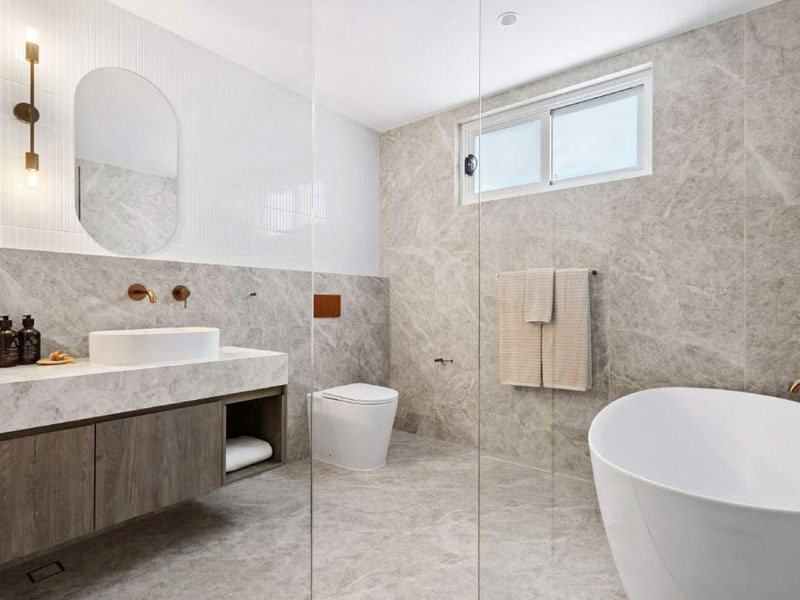
Soft neutral flooring enhances a spa-inspired washroom design
This approach works particularly well with:
- Limestone-inspired porcelain
- Soft concrete looks
- Large neutral tiles
- Minimal grout contrast
The result is a stronger sense of floor-to-wall continuity.
When the walls are intended to play a more expressive role, the floor can remain quiet. Showtile’s guide to bathroom wall design tiles explores how vertical surfaces can add character without overwhelming the overall washroom palette.
How Can Contrasting Floor and Wall Tiles Be Balanced?
Contrast works best when one surface leads and the other supports.
For example:
- Dark floor + light wall
- Quiet floor + patterned wall
- Stone-look floor + plain porcelain wall
- Large-format floor + small-format feature wall
The materials should still share at least one common design characteristic, such as undertone or texture.
How Does Grout Affect the Overall Design?
Grout can either soften the grid or deliberately emphasise it.
A close colour match usually creates a calmer surface. Higher contrast increases edge definition and makes the tile format more visible.
For large premium surfaces, grout should be treated as part of the design specification rather than as a decision left until installation.
How Should the Shower Floor and Drainage Influence Tile Selection?
Drainage should be considered early because floor falls and drain position can affect which tile formats are practical. Selecting a floor purely from a sample image can create installation problems later.
How Does Drain Position Affect Tile Format?
Point drains often require the floor to fall toward a central or offset location. Large formats may therefore need additional cuts.
Linear drains can allow the floor to fall more consistently in one direction, which can support larger tile formats in some shower layouts.
Important entities include:
- linear drain
- floor falls
- shower screen position
- tile cut direction
- threshold detail
The installer, designer and builder should review these conditions before finalising the floor tile.
Should the Shower Floor Match the Main Floor?
There are three common approaches.
- Use the same material and a smaller format in the shower.
- Keep the same colour family but change the surface texture.
- Introduce a controlled mosaic contrast.
The first option creates the strongest continuity. The third creates a deliberate feature.
None of these approaches is automatically better; the right choice depends on drainage, scale and the wider palette.
How Can a Premium Washroom Palette Be Built More Cohesively?
A sophisticated washroom is usually easier to create when the permanent materials are selected in sequence. Starting with one decorative tile and trying to build everything around it often leads to an over-designed result.
What Should Be Selected First?
A useful material sequence is:
- Define the architectural mood.
- Select the primary floor material.
- Check wet-area suitability.
- Coordinate the wall tile.
- Select vanity and benchtop finishes.
- Match tapware undertones.
- Review samples together under actual lighting.
This method creates a stronger bathroom material palette and reduces the chance of combining unrelated surfaces.
The same principle applies beyond bathrooms. When homeowners need to coordinate adjacent rooms, Showtile’s guide to design tiles for kitchen shows how material, scale and surface character can be carried into another major interior zone without simply repeating the same tile.
How Can Designers Maintain Continuity with the Rest of the Home?
Material continuity does not require every room to use the same finish.
Instead, designers can repeat:
- Warm or cool undertones
- Mineral textures
- Similar tile scale
- Related grout colours
- Consistent surface refinement
A washroom floor may use limestone-inspired porcelain while a nearby hallway uses another surface with the same warm neutral base.
This creates interior material continuity without making the home feel repetitive.
What Washroom Floor Tile Mistakes Should Be Avoided?
The most common mistakes occur when visual decisions are made without considering installation, performance or the rest of the material palette.
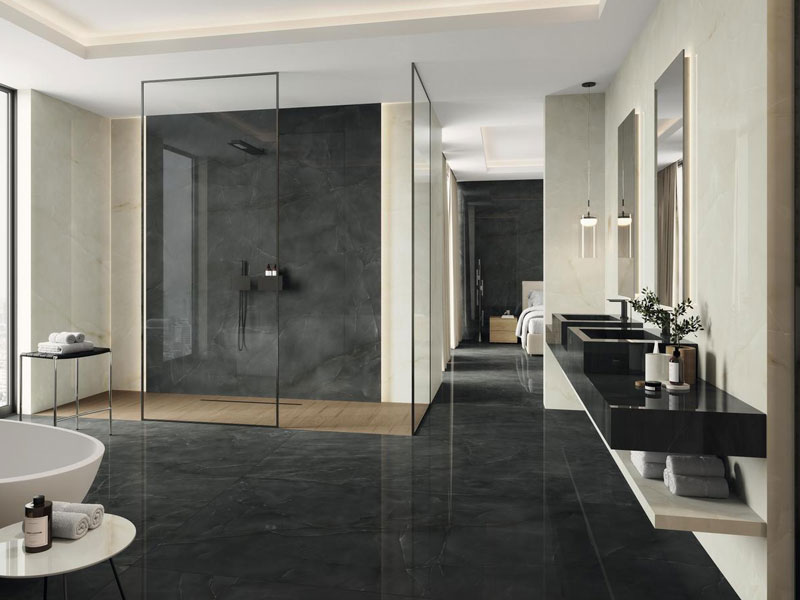
Large-format tiles bring clean lines and visual continuity
Which Planning Mistakes Cause the Most Problems?
Avoid:
- Choosing appearance before checking application
- Assuming all matt surfaces perform the same way
- Ignoring floor falls
- Selecting tile size without considering the drain
- Creating awkward cuts around fixtures
- Using too many unrelated materials
- Over-contrasting grout
- Ignoring the threshold into the adjacent room
- Selecting finishes only from digital images
A premium project benefits from reviewing physical samples and installation details before ordering.
Why Is It Important to Work with a Specialist Tile Supplier?
A specialist designer tiles company can help architects, builders, designers and homeowners compare material families, formats and finishes in a more coordinated way.
For broader guidance on selecting tiles around design intent rather than isolated trends, Showtile provides a dedicated overview of working with a premium tile specialist.
Where Can You Explore Premium Tiles for Washroom Floors?
Showtile provides a curated range for residential and commercial interiors, including porcelain, stone-inspired finishes, terrazzo looks, mosaics and floor-focused tile options.
Homeowners, architects, interior designers and builders can explore Showtile for design inspiration and then compare related surfaces through the product collection.
The strongest washroom floor is rarely created by choosing the most decorative tile. A refined result comes from coordinating material performance, scale, colour, drainage, grout and surrounding finishes as one complete design system.
Contact Showtile
📍 Showroom: 65 Canterbury Road, Bankstown NSW 2200, Australia
📞 Phone: +61 2 9709 5836
✉️ Email: sales@showtile.com.au
🌐 Website: https://showtile.com.au/



