


Best Designer Tiles Australia: How to Choose Premium Tiles
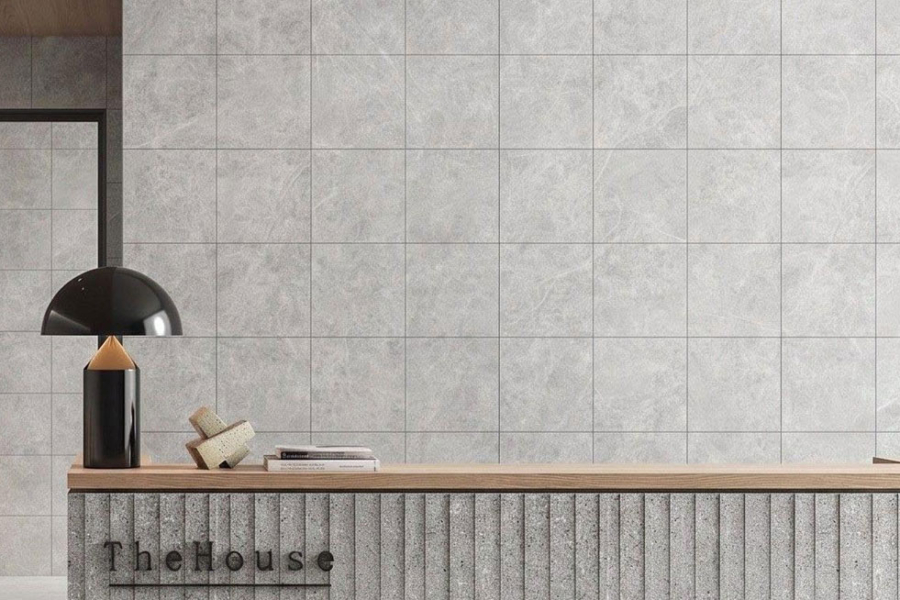
Choosing premium tiles is ultimately a process of editing rather than adding more visual detail. For projects considering the best designer tiles Australia has to offer, Showtile provides a way to compare surfaces by proportion, finish, material expression and how effectively each option supports the wider interior concept.
What Makes a Tile a Designer Tile?
A designer tile combines considered aesthetics with appropriate material, format and surface decisions. Premium collections often provide greater control over scale, tonal movement and finish, allowing the tile to become part of the architectural language rather than an isolated decorative element.
How Is a Designer Tile Different From a Standard Tile?
The difference is not simply price.
A well-developed designer collection may offer:
- More controlled colour variation
- Multiple tile faces
- Convincing stone or material references
- Coordinated formats
- Different surface finishes
- Wall and floor applications
- Greater flexibility across connected spaces
The value comes from how these characteristics work together within a project.
Does Designer Tile Need to Be Highly Decorative?
No. Some of the most refined interiors use very quiet surfaces.
Limestone-inspired porcelain, soft travertine, restrained terrazzo and low-contrast stone can create strong design impact through proportion and texture rather than pattern.
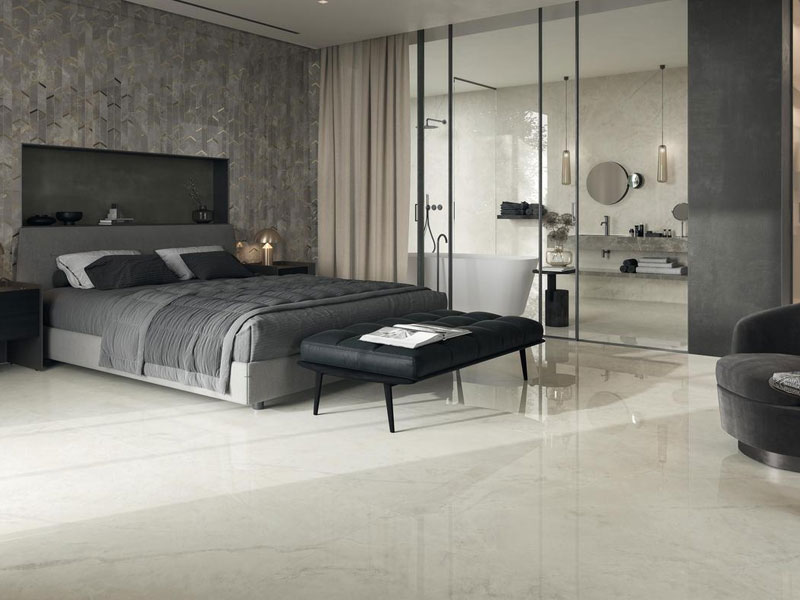
Premium surfaces for refined interior spaces
A premium surface should support furniture, joinery and architectural form rather than compete with every other element.
Why Does Material Character Matter?
Material character determines how a tile responds to:
- Natural light
- Artificial lighting
- Timber
- Metal
- Upholstery
- Stone benchtops
- Adjacent wall finishes
A subtle surface can feel more sophisticated than a dramatic tile if the material relationships are better resolved.
Which Tile Materials Work Best in Premium Projects?
No single material is ideal for every room. Porcelain, natural stone and terrazzo each provide different visual and practical qualities.
When Does Porcelain Make Sense?
Designer porcelain tiles offer flexibility across floors, walls, wet areas and many exterior applications.
Porcelain can reproduce:
- Natural stone
- Marble
- Concrete
- Timber
- Terrazzo
The broader Showtile collection allows different material directions, formats and finishes to be compared within the same project rather than room by room.
When Does Natural Stone Add More Character?
Natural stone works well when variation and material authenticity are central to the design.
Natural stone can introduce:
- Unique mineral movement
- Irregular texture
- Tonal depth
- Natural ageing
Because no two pieces are exactly identical, the final surface has a different visual quality from printed porcelain.
When Does Terrazzo Work Better?
Terrazzo suits interiors that need more visible pattern while remaining architectural.
Use terrazzo in:
- Bathrooms
- Entries
- Kitchens
- Hospitality spaces
- Feature floors
Terra Terrazzo can provide a useful direction when the design needs aggregate texture without relying on strong decorative motifs.
Why Are Stone-Look Tiles Popular in Designer Interiors?
Stone-look porcelain works particularly well in premium interiors because the material can create depth without excessive visual noise.
What Makes Stone-Look Porcelain Feel Premium?
Look for:
- Several face designs
- Restrained repetition
- Natural tonal movement
- Balanced veining
- Appropriate matt or tactile finishes
The tile should read as a continuous material surface rather than an obvious repeating print.
Which Stone Colours Are Most Versatile?
Useful premium directions include:
- Ivory
- Limestone
- Warm beige
- Greige
- Mineral grey
- Charcoal
New Valley can support projects that need a natural stone-inspired character across refined contemporary spaces.
Where Do Stone-Look Tiles Work Best?
Stone-look porcelain can be used effectively across:
- Open-plan living spaces
- Bathrooms
- Kitchens
- Hallways
- Commercial interiors
- Selected outdoor areas
The most successful schemes keep the material language consistent while adapting the finish to each application.
Why Does Travertine Remain Important in Premium Tile Design?
Travertine offers natural linear movement with softer visual contrast than many marble designs.
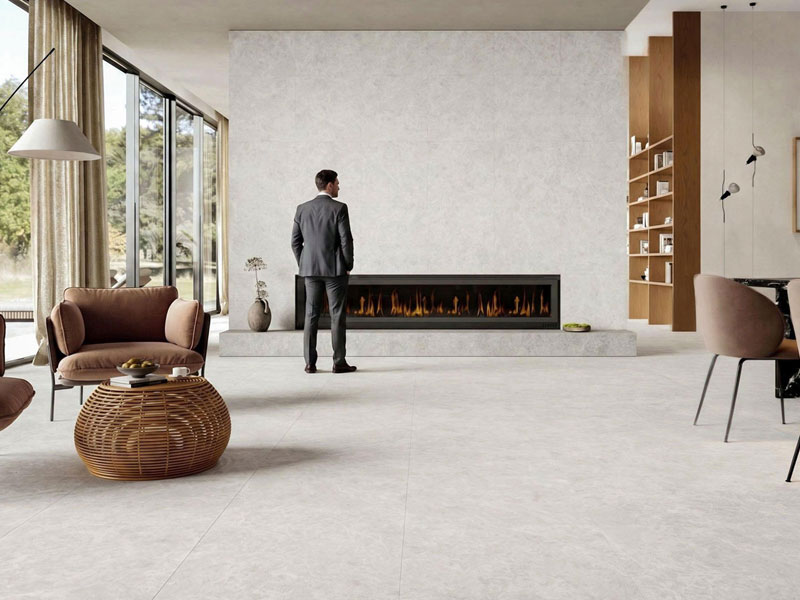
Thoughtful tile choices shape cohesive interiors
What Makes Travertine Visually Distinct?
Travertine introduces:
- Warm mineral tones
- Linear stone movement
- Natural variation
- Softer contrast
- Strong architectural rhythm
This makes travertine suitable for quiet luxury, organic modern and Mediterranean-inspired interiors.
How Should Travertine Be Coordinated?
Travertine pairs naturally with:
- Oak
- Walnut
- Cream upholstery
- Warm white
- Brass
- Brushed nickel
- Textured plaster
The material works best when surrounding finishes repeat the same warm undertone.
Can Travertine Work Beyond Bathrooms?
Yes.
Travertine-inspired surfaces can connect living rooms, kitchens, entry areas and exterior zones. The design should respond to the scale and technical requirements of each space rather than simply repeat the identical format everywhere.
When Do Marble-Look Tiles Create a Stronger Statement?
Marble-inspired surfaces suit interiors where the tile needs greater movement and visual presence.
What Makes Marble-Look Tile Feel Sophisticated?
The quality of the result depends on:
- Vein scale
- Face variation
- Tile size
- Colour restraint
- Surface finish
Marvel X can be considered for projects where a stronger marble-inspired material language is required.
When Should Strong Veining Be Limited?
Bold marble often works best on selected surfaces such as:
- Bathroom walls
- Large feature walls
- Formal floor zones
- Architectural focal areas
Using the same dramatic vein across every surface can weaken rather than strengthen the overall design.
Why Does Format Matter With Marble?
Larger formats allow veins to appear more continuous and reduce interruptions from grout.
The tile size should still respond to wall dimensions, openings and installation practicality.
Why Are Large-Format Tiles Important in Designer Projects?
Tile scale affects how a room is perceived.
What Does a Large Format Add?
Large-format tiles can provide:
- Fewer grout lines
- Greater visual continuity
- Stronger material expression
- Cleaner architectural geometry
This is especially useful in open-plan interiors and broad feature walls.
When Do Large Formats Work Best?
Consider larger tiles for:
- Living rooms
- Large bathrooms
- Entry areas
- Commercial spaces
- Open kitchen-dining zones
When Is Bigger Not Better?
Very large formats can become impractical when rooms have:
- Irregular geometry
- Numerous doorways
- Complex floor falls
- Tight access
- Narrow wall returns
The tile should support the architecture rather than force the architecture to accommodate the tile.
How Do Surface Finishes Change a Premium Tile Scheme?
Finish changes both appearance and the way light interacts with the surface.
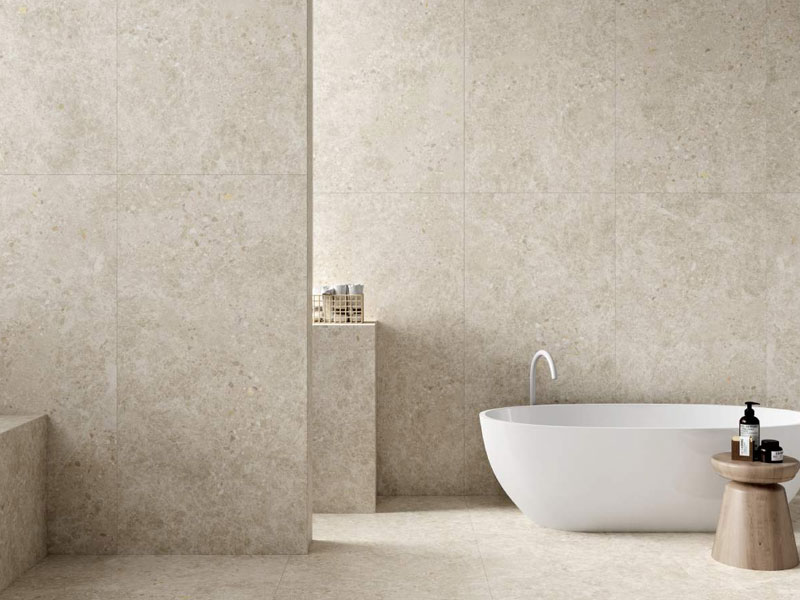
Material, scale and finish define the design
Why Does Matt Feel More Architectural?
Matt finishes create:
- Lower glare
- Softer colour
- Greater material depth
- Easier coordination with timber and textiles
A matt finish is often effective where the interior already contains reflective metal, glass or polished joinery.
When Does Honed Work Better?
Honed surfaces provide gentle reflectivity without becoming highly glossy.
Honed finishes suit:
- Travertine-inspired spaces
- Natural stone palettes
- Premium bathrooms
- Quiet luxury interiors
When Does Polished Still Make Sense?
Polished tile remains relevant for:
- Marble-inspired interiors
- Formal zones
- Selected wall features
The finish should support the material concept instead of being selected only because it appears more luxurious.
How Should Designer Tiles Be Used Across Different Rooms?
Each room has different visual and technical priorities, but the material language should remain connected.
Which Tiles Work Best in Living Areas?
Living spaces benefit from:
- Low visual noise
- Larger formats
- Warm stone character
- Controlled grout
- Strong furniture compatibility
Rather than selecting floor tile in isolation, broader modern bathroom tiles design principles also show how surfaces, fixtures and architectural elements can be treated as one composition across different parts of the home.
Which Designer Tiles Work in Bathrooms?
Bathroom tile selection should consider:
- Wet-area suitability
- Floor-wall relationship
- Slip performance
- Lighting
- Tile scale
- Grout
Current ideas around latest bathroom tiles design can be useful when deciding how new surface directions fit within a premium whole-house material palette.
Which Tiles Work Well in Kitchens?
Kitchens need surfaces that coordinate with cabinetry, benchtops and adjoining flooring.
Strong kitchen schemes usually keep the major floor surface relatively calm, allowing joinery, appliances and stone benchtops to provide additional detail.
How Can Designer Tiles Connect Indoor and Outdoor Spaces?
Australian residential design often places living, dining and alfresco areas in direct visual connection.
Why Does Indoor-Outdoor Continuity Matter?
Connected surfaces can make:
- Living areas feel larger
- Sightlines more consistent
- Courtyards more integrated
- Outdoor entertaining zones feel connected to the house
The interior and exterior surfaces do not need to be identical.
How Should Exterior Tiles Relate to Interior Materials?
A practical approach is to repeat:
- Undertone
- Stone character
- Material warmth
- Format logic
Then adapt surface finish and technical performance for the outdoor application.
Twilight is an example of a stone-look direction that can support broader material continuity across different architectural zones.
How Should Exterior Walls Fit Into the Material Palette?
Vertical exterior surfaces should also relate to adjoining floors, landscaping and façades.
The principles covered in outside wall tiles design can help extend a designer tile language beyond interior rooms without simply repeating the same material everywhere.
Which Designer Tile Direction Fits Each Interior Style?
| Interior Direction | Tile Direction | Suitable Application | Overall Effect |
| Quiet luxury | Warm travertine look | Living / bathroom | Soft and refined |
| Contemporary | Stone-look porcelain | Floor / wall | Architectural |
| Minimalist | Large-format neutral tile | Open-plan areas | Calm and seamless |
| Organic modern | Natural stone / warm porcelain | Living / exterior | Tactile and natural |
| Boutique luxury | Marble-look tile | Bathroom / feature wall | Expressive |
| Mid-century inspired | Terrazzo | Entry / bathroom | Graphic but controlled |
| Industrial | Concrete-look porcelain | Commercial / living | Structured |
| Resort-inspired | Warm stone surfaces | Indoor / outdoor | Relaxed and cohesive |
How Can Buyers Tell Whether a Designer Tile Will Age Well?
The best long-term choices usually reference established materials rather than novelty graphics.
Which Directions Have Better Longevity?
More enduring options include:
- Limestone-inspired porcelain
- Travertine
- Restrained marble
- Natural stone
- Neutral terrazzo
- Low-contrast porcelain
These surfaces can adapt as furniture and interior colours change.
Which Designs Depend More on Trends?
More trend-sensitive choices include:
- Extreme geometric motifs
- Highly saturated broad surfaces
- Multiple competing shapes
- Strong novelty patterns
These styles can work, but they require more careful placement.
How Can Personality Be Added Without Dating the Interior?
Introduce stronger character through:
- Smaller feature areas
- Texture
- Furniture
- Decorative objects
- Controlled colour accents
Keep the largest permanent surfaces relatively balanced.
What Should Architects and Builders Check Before Specifying Designer Tiles?
A premium appearance should always be supported by appropriate technical selection.
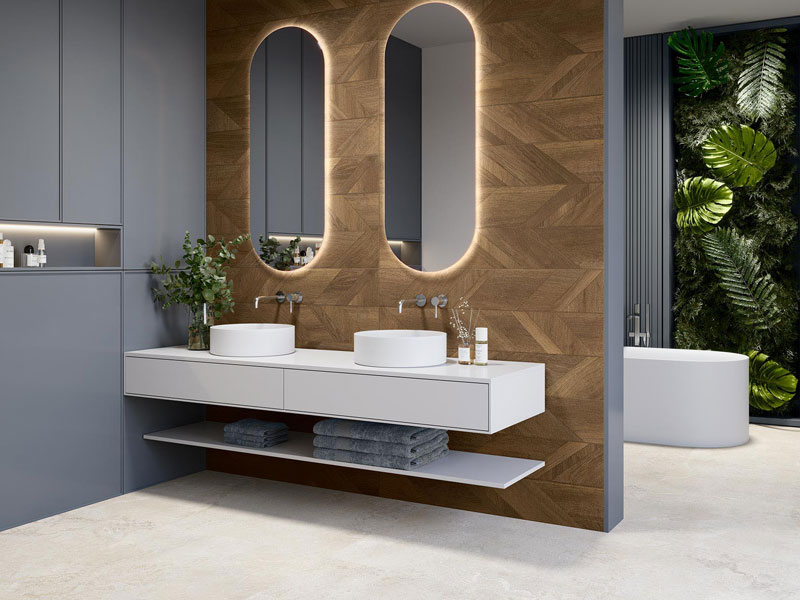
Showtile brings premium surfaces together
Why Is Application More Important Than Appearance Alone?
Confirm:
- Wall or floor use
- Wet-area suitability
- Exterior suitability
- Slip performance
- Thickness
- Finish
- Installation requirements
A visually attractive tile is not automatically appropriate for every location.
Why Should Several Tile Faces Be Reviewed?
Stone-look, marble-look and timber-look collections often use multiple faces to reduce repetition.
Reviewing several pieces helps assess:
- Vein distribution
- Tonal variation
- Pattern frequency
- Overall balance
Why Does Availability Matter?
For larger projects, confirm:
- Required quantity
- Lead time
- Batch availability
- Wastage
- Replacement stock
This helps maintain consistency across the completed installation.
How Should a Premium Tile Supplier Be Evaluated?
The strongest supplier is not simply the business with the largest catalogue. The more important question is whether the range supports complete architectural decision-making.
What Should the Product Range Include?
Look for access to:
- Porcelain
- Natural stone
- Terrazzo
- Mosaics
- Floor tiles
- Wall tiles
- Exterior options
- Different surface finishes
Can Materials Be Compared by Application?
A useful range should make it easier to compare surfaces by:
- Indoor or outdoor use
- Wall or floor use
- Feature application
- Material
- Finish
- Format
Why Does Whole-Project Coordination Matter?
A specialist designer tiles company can support a more coherent selection process when several rooms and applications need to share the same material language.
The goal is not to make every surface identical. The goal is to create relationships between materials so each room feels connected to the wider project.
Bring Premium Tile Choices Together with Showtile
The wider Showtile collection allows architects, designers, builders and homeowners to compare different material directions according to colour, scale, surface character and application rather than selecting tiles as isolated products.
Stone-inspired porcelain can create calm architectural foundations, while travertine, terrazzo, marble-inspired surfaces and natural stone can introduce different levels of movement and visual character. Format and finish can then be adjusted according to the room, lighting and technical requirements.
At Showtile, the aim is to build a coherent material language across living areas, kitchens, bathrooms and exterior spaces. Considering the whole project before individual tile selections helps create interiors that feel deliberate, premium and visually connected.
Contact Showtile
📍 Showroom: 65 Canterbury Road, Bankstown NSW 2200, Australia
📞 Phone: +61 2 9709 5836
✉️ Email: sales@showtile.com.au
🌐 Website: https://showtile.com.au/



