


Softec Tile Specification Guide: From Product Selection to Installation

A beautiful tile selection needs a precise specification to reach the finished project as intended. This Softec tile specification guide from Show Tile helps architects, designers and builders record the selected finish, confirm application requirements and coordinate the product information needed for ordering, installation and handover.
What Does a Complete Softec™ Specification Need to Identify?
A complete specification identifies the product, its location and the requirements it must meet. “Softec™” describes a surface technology, but the collection name, colour, format and finish are still needed to define the actual tile.
How Should You Describe the Material and Surface?
Softec™ is a surface technology developed by Show Tile for selected porcelain tile collections. The technology combines a soft matt feel, stone-inspired design, P3 wet slip resistance and easy-clean performance.
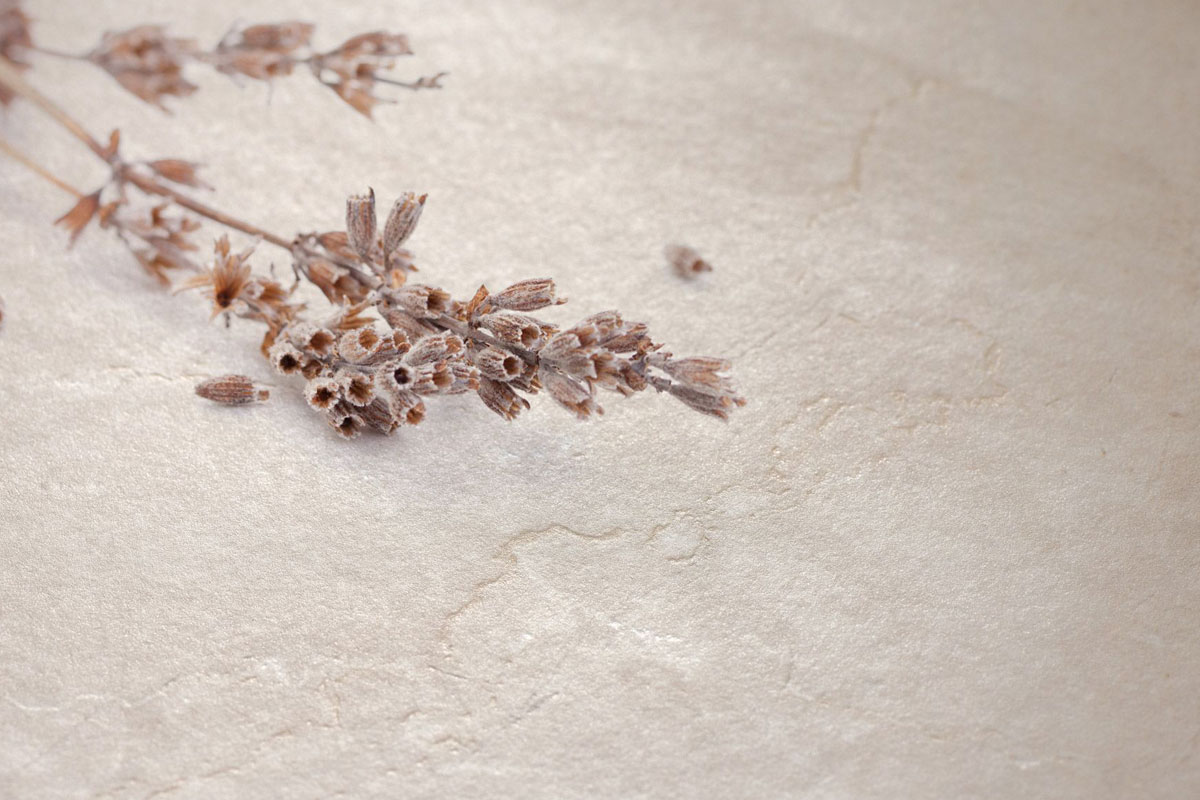
Specify Softec™ by collection, colour, format and finish
In a schedule, distinguish the porcelain body from the surface finish and visual design. A stone-inspired product name does not change the material category.
Do not add classifications such as glazed, homogeneous or rectified unless the selected product’s documentation confirms them. Review the Softec™ collection to identify the available products, then request the information relevant to your selection.
Which Product Details Belong in the Tile Schedule?
Record enough information to distinguish the approved tile from similar colours, sizes or decorative versions. Include a product code where one is available and confirmed.
| Schedule field | Information to record |
| Product | Collection, colour and product code where available |
| Format | Tile dimensions, or chip and sheet dimensions |
| Finish | Exact surface or decorative version |
| Location | Room, surface and drawing reference |
| Application | Confirmed wall or floor use |
| Performance | Project requirements and supporting documents |
| Installation | Layout, joints and transitions |
| Approval | Sample reference and approval status |
A location reference helps prevent two related finishes from being installed in the wrong areas.
How Should You Confirm Suitability for the Intended Location?
Start with the conditions of use before approving the product. A residential wall, shower floor and commercial entry can require different assessments even when the design palette is similar.
What Should You Establish Before Selecting a Floor Tile?
Identify the expected traffic, water exposure, contaminants and cleaning routine. These conditions help define the performance information needed for the selection.
Describe the location precisely. “Bathroom floor” may be insufficient if the schedule includes both a shower and a comparatively dry vanity area.
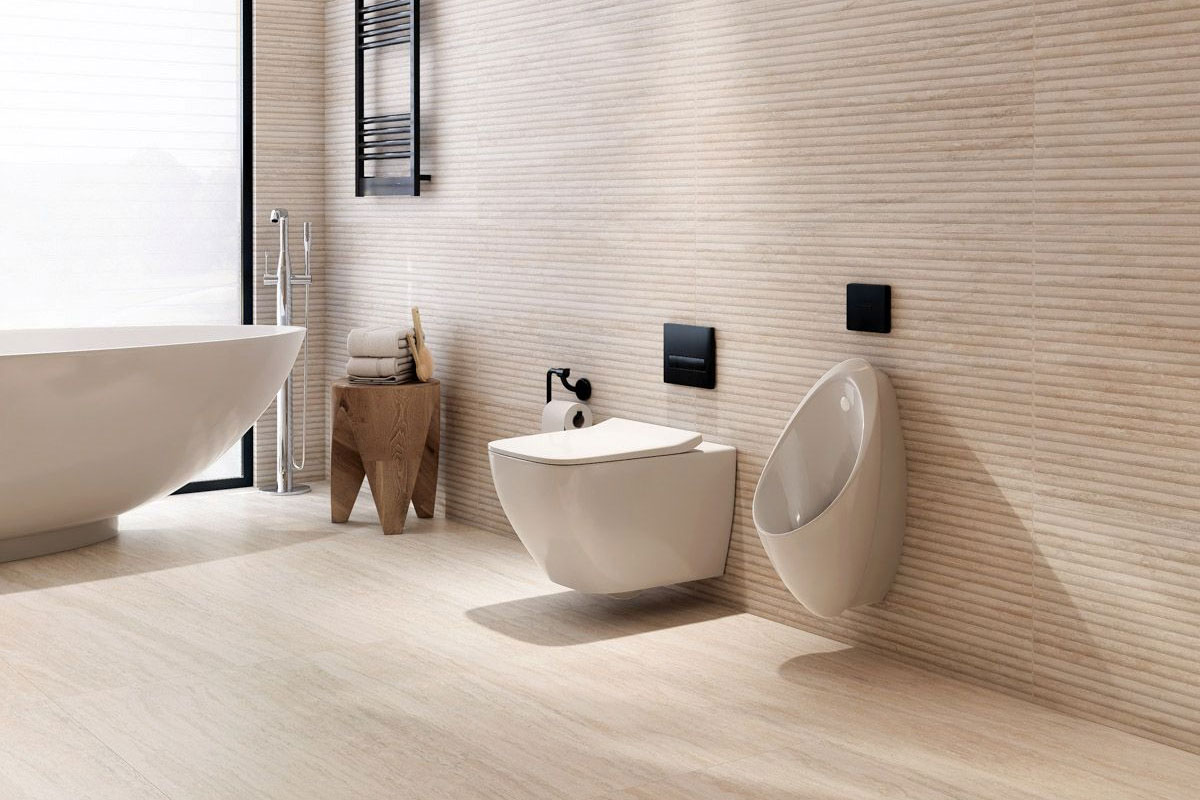
Review samples and technical details before ordering
For commercial tile specification, consider the actual use rather than treating “commercial” as one category. A decorative hospitality wall and a heavily used circulation floor have different demands. Confirm the selected tile against the project requirements before finalising colour and layout decisions.
Can Decorative Versions Use the Same Specification as Field Tiles?
Related products should not automatically share the same application or performance information. A field tile, mosaic and sculpted decorative tile may need separate schedule entries.
Record the precise finish at each location. Confirm wall or floor suitability for that version rather than transferring information from another product within the collection.
This distinction also matters when a substitution is proposed. Similar colour does not establish equivalence. Check format, finish, application and relevant performance information before approving a replacement, and update the schedule and sample record together.
What Technical Information Should You Request for Softec™ Tiles?
Request documentation for the selected product and the requirements of the project. Product descriptions, physical samples and test information serve different purposes and should be assessed accordingly.
What Should You Check in the Wet Slip-Test Information?
Softec™ provides P3 wet slip resistance, but a rating alone does not confirm suitability for every wet area or commercial floor.
Where slip performance is relevant, request the applicable slip-test report and check that the product and finish are identifiable. Review the test method, reported classification and any conditions relevant to interpreting the result.
Do not infer slip performance by touching the sample or assuming a matt finish provides adequate grip. Confirm the required performance for the intended location, then establish whether the available documentation supports the proposed selection.
Which Other Performance Details May Be Relevant?
Depending on the application, the project may require information about dimensions, thickness, water absorption, mechanical properties, abrasion or chemical resistance.
Request the data needed for that use rather than assigning generic porcelain values to the product. Where a specification references a standard, obtain documentation confirming the relevant scope.
| Evidence | Useful for assessing |
| Product information | Material, format and finish |
| Approved sample | Colour, pattern and tactile appearance |
| Test documentation | Performance within the report’s scope |
| Application confirmation | The proposed location and use |
| Installation guidance | Requirements for the selected system |
Neither an attractive sample nor a broad product description establishes every technical requirement.
How Should You Record Different Softec™ Collections and Formats?
Specify each selected configuration separately. The collections offer different patterns and decorative options, so one general entry cannot describe every product accurately.

Match each tile surface to its intended application
What Should You Record for Field Tiles and Decorative Formats?
For a project combining broad surfaces and a sculpted feature, Crema Marfil Softec tiles illustrate why finish names matter. The Softec™ field tile and textured 3D Concave option should be identified separately.
Where smaller pieces are selected, Bottocino Softec tiles introduce another distinction: individual chip dimensions and overall sheet dimensions.
Record both where applicable. Confirm the exact version, thickness and permitted application rather than assuming the field tile information covers every related format. Keep each product linked to its intended location.
How Should You Specify Pattern Direction?
For directional designs, identify the selected pattern and any required orientation. A colour name alone does not communicate the intended arrangement.
For example, Travertino Softec tiles include Vein and Cross designs. The schedule should distinguish the chosen version, while drawings or layout notes communicate orientation where relevant.
A tile face is an individual printed pattern within a collection. Review several faces before approving prominent areas, and confirm current face information for the selected format. Avoid relying on assumptions about pattern repetition or expecting continuous veining unless the product supports that arrangement.
Which Installation Details Should Accompany the Product Selection?
The tile specification should be coordinated with the installation design. Selecting a porcelain finish does not, by itself, define the substrate preparation, adhesive, joints or wet-area construction.
How Should You Coordinate Layout, Joints and Transitions?
Agree the main sightlines, starting points and important cut positions before fixing begins. Include details around doorways, corners, cabinetry and fittings where the design depends on alignment.
Record grout colour and the appropriate joint requirements. Do not choose an unusually narrow joint solely to create a more continuous appearance.
Coordinate:
- Tile orientation and pattern distribution.
- Grout joints and movement joints.
- Cuts at visible boundaries.
- Junctions with other finishes.
- Changes in floor level or material thickness.
Products with matching nominal dimensions may still need careful coordination. Check the actual requirements before promising aligned joints across different formats.
What Should You Confirm About Substrates and Wet Areas?
Confirm that the substrate and installation system suit the selected tile and site conditions. Adhesive, grout and preparation requirements should be resolved with the responsible project team and system suppliers.
In wet areas, coordinate tile size and layout with falls, drainage and waterproofing. Surface sealing and waterproofing perform different functions; one does not replace the other.
Avoid prescribing one adhesive or joint dimension for every Softec™ installation. The requirements depend on the product, substrate, location and system. Resolve outstanding details before procurement or installation decisions make changes difficult.
How Should You Manage Samples, Ordering and Handover?
Maintain a clear record from sample approval through to delivery and completion. This helps preserve the selected appearance while keeping technical and installation requirements connected to the actual product.
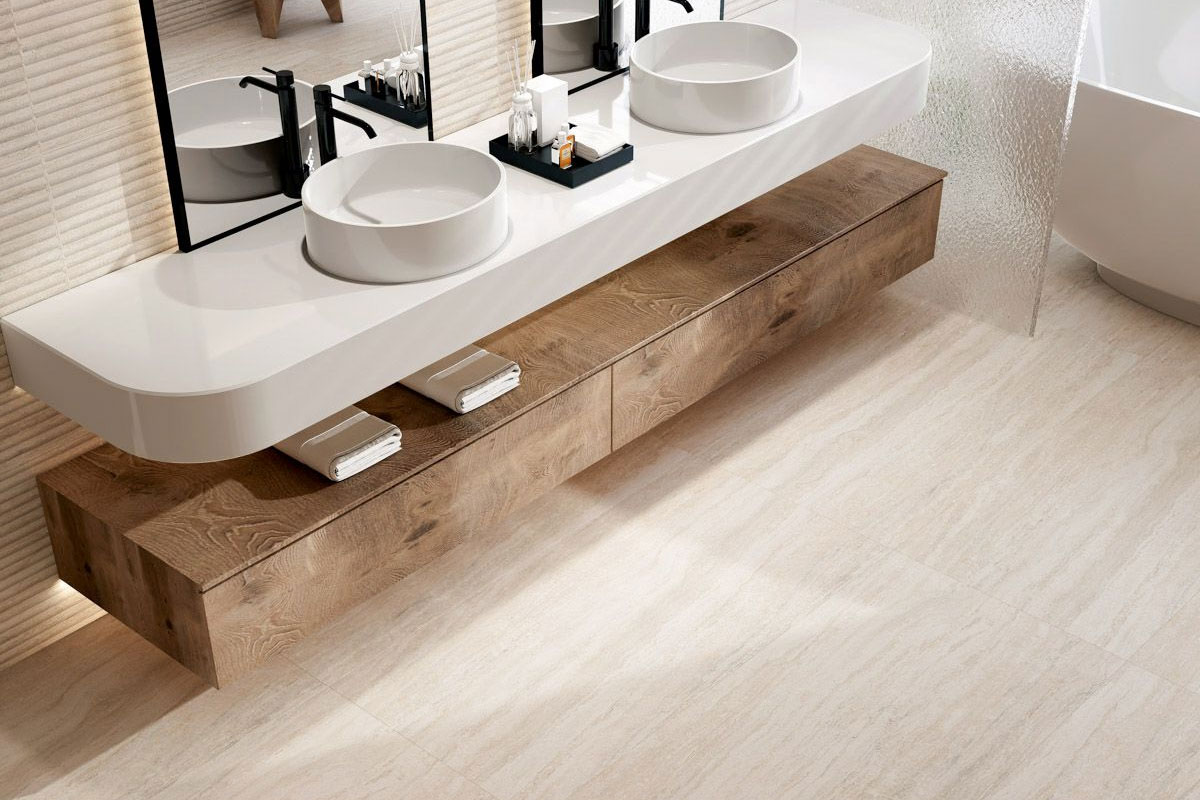
Plan your Softec™ tile selection with Show Tile
What Should Be Approved Before Ordering?
Approve the complete selection rather than a colour sample alone. For prominent or complex areas, a sample arrangement or mock-up may help resolve pattern distribution and junctions.
Before ordering, confirm:
- Collection, colour, format and finish.
- Intended location and application.
- Required technical documentation.
- Layout, grout and important edge details.
- Quantity, delivery timing and availability.
Agree the allowance for cuts and spare tiles according to the layout. If a product changes, reassess the relevant requirements and record the approval. A substitution should not proceed merely because the replacement looks similar in a photograph.
Which Information Should Be Included at Handover?
Provide enough information for the owner or facilities team to identify and maintain the installed surface. Easy-clean performance still requires an appropriate routine.
The handover record should include:
- Product identification and ordering details.
- Relevant technical documents retained for the project.
- Cleaning and care instructions.
- Information about grout and applied treatments.
- Identification of spare tiles.
Confirm appropriate removal of construction and grout residues before the surface enters normal use. Retain packaging labels or equivalent product references where available. Future enquiries are easier to resolve when the exact installed version remains traceable.
Prepare Your Softec™ Specification With Show Tile
Bring the approved appearance, intended application and supporting information together before finalising your tile schedule. Softec™ offers a soft matt surface, stone-inspired design and practical performance across selected porcelain collections.
Architects, designers and builders exploring Softec tiles in Australia can begin with the available collections, then develop a product-specific selection.
Discuss your requirements with Show Tile. Bring the proposed schedule, room plans and material samples to review finishes, identify the preferred configuration and request relevant product information. A precise selection gives the procurement and installation teams a clear basis for delivering the intended result.
Contact Show Tile
📍 Showroom: 65 Canterbury Road, Bankstown NSW 2200, Australia
📞 Phone: +61 2 9709 5836
✉️ Email: sales@showtile.com.au
🌐 Website: https://showtile.com.au/



