



























Business Hours
Mon - Fri
8:00 am to 5:00 pm
Sat
9:00 am to 3:00 pm
Sun
Closed
About Us


Working on a Project?

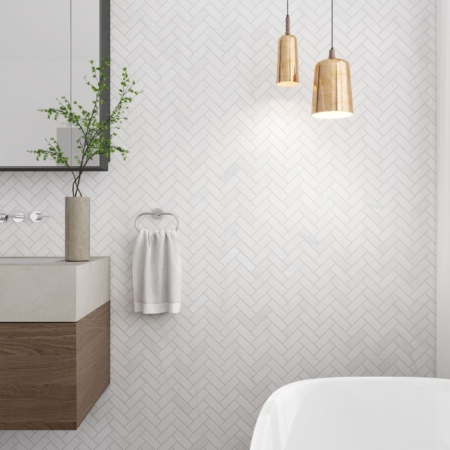
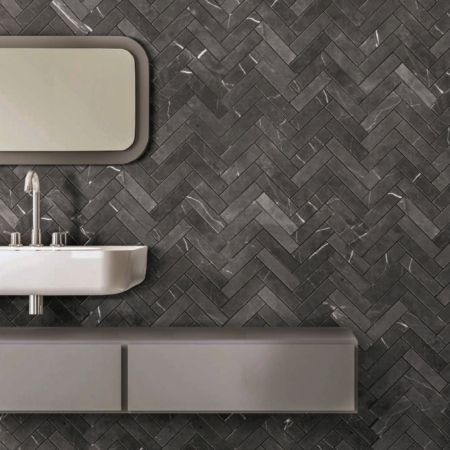
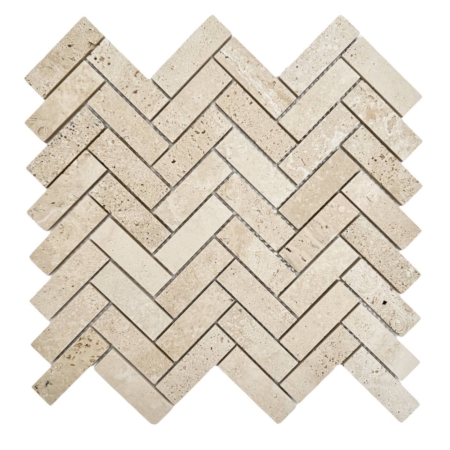
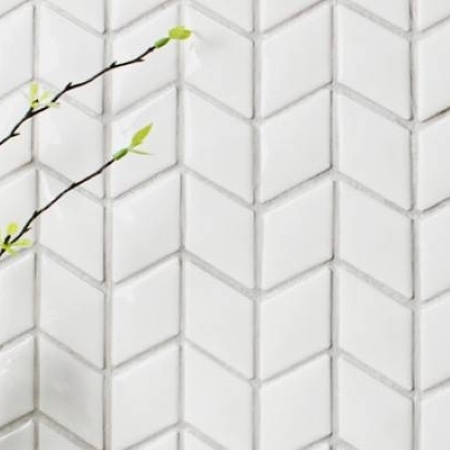
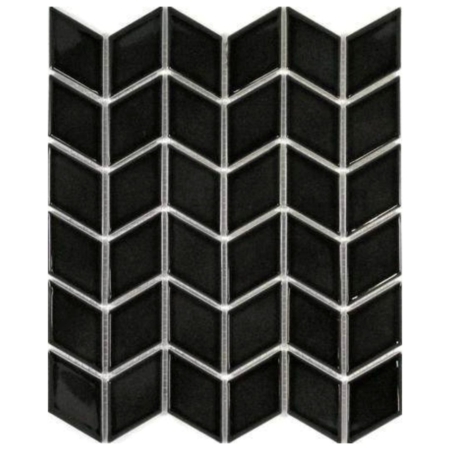
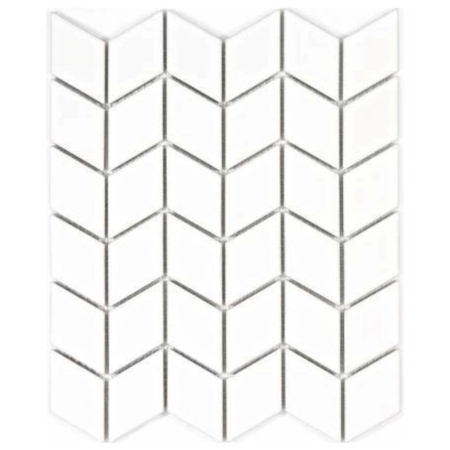
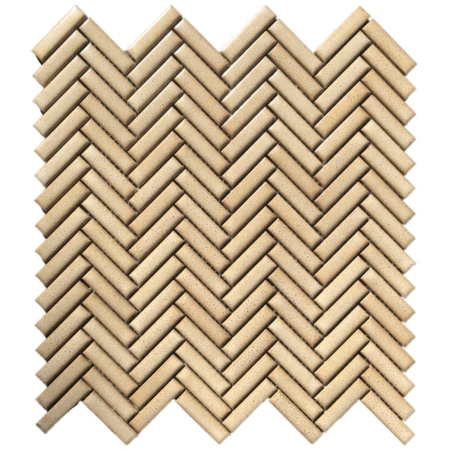
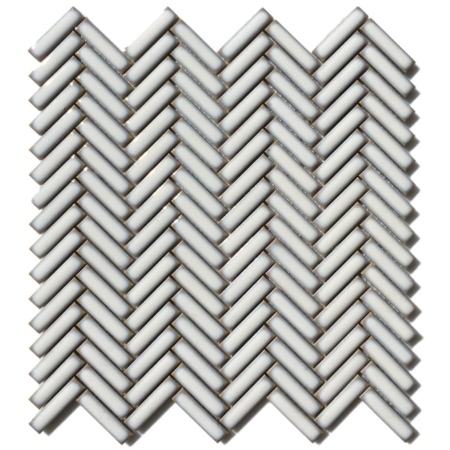
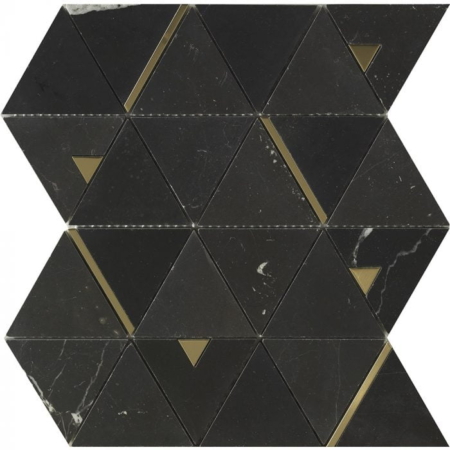
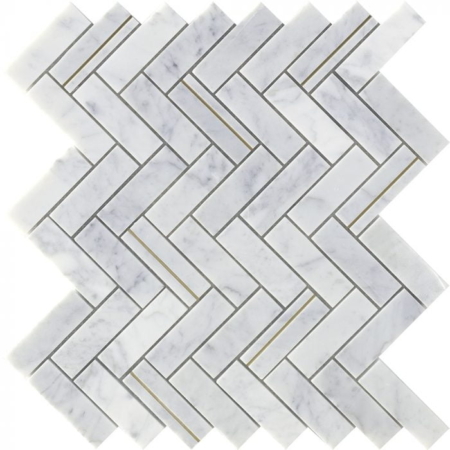
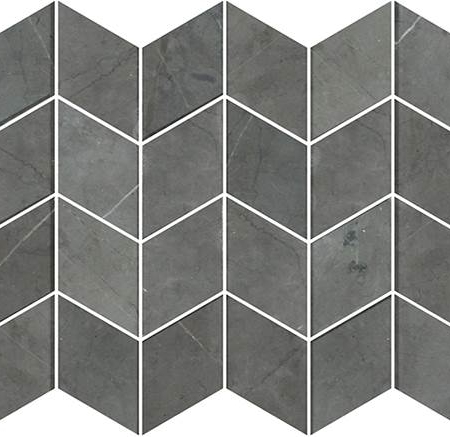
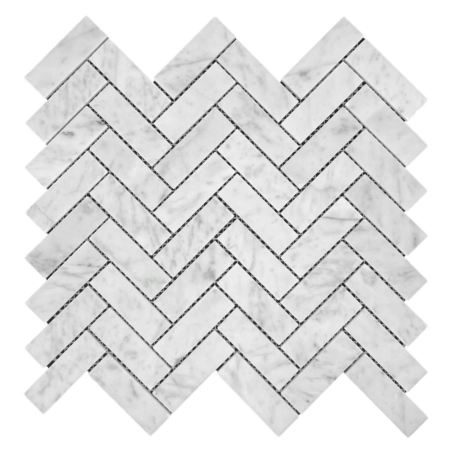
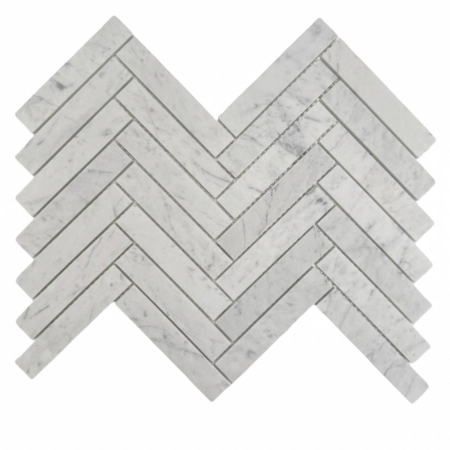
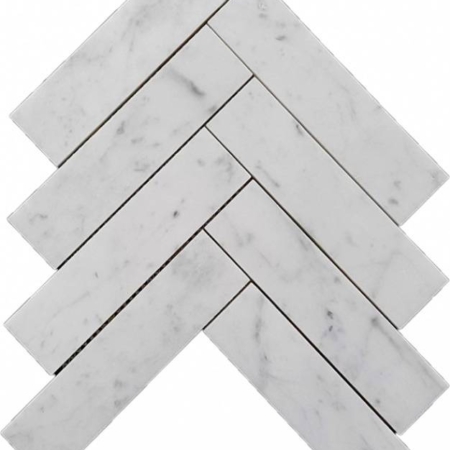
Herringbone tiles bring movement, proportion, and quiet structure to architectural interiors. Their distinctive broken zigzag layout gives a surface rhythm without relying on heavy pattern or strong colour. In refined spaces, herringbone is valued for its balance of order and softness. Each tile shifts direction, creating a surface that feels detailed but controlled. The effect can be subtle in a tonal matt finish or more expressive through glaze, texture, and contrast. At Showtile, herringbone tiles are curated for interiors where patterns must feel integrated with the architecture rather than applied as decoration.
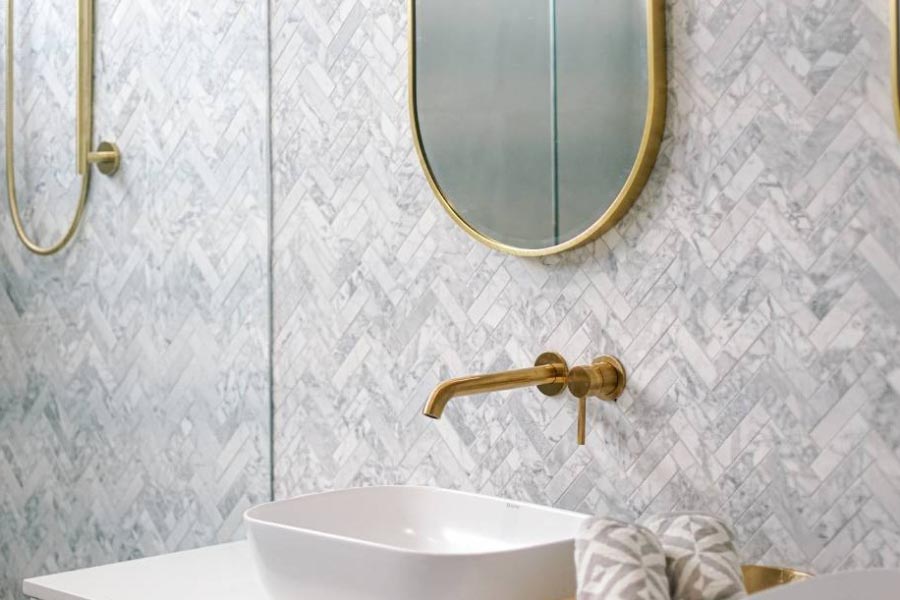
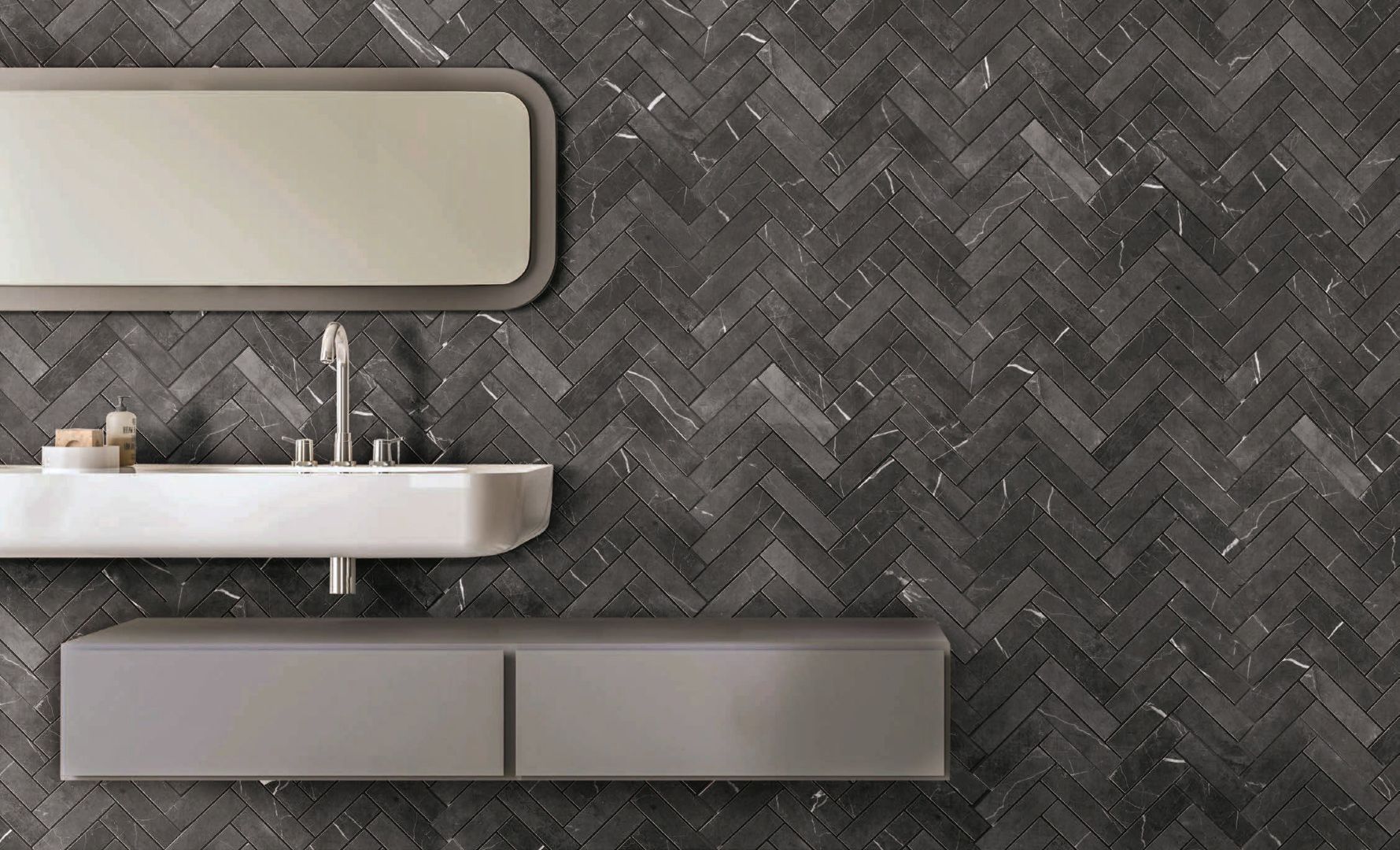
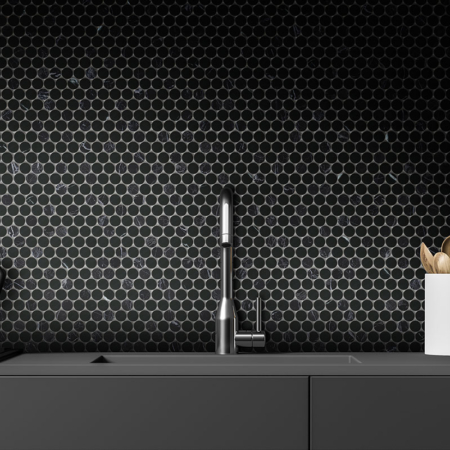
Herringbone tiles are most effective where their directional layout can shape the room. In kitchens, herringbone kitchen tiles are often used across splashbacks. The pattern brings movement between benchtops, cabinetry, and shelving, while still allowing the wider material palette to remain calm. A gloss ceramic finish can reflect light across the wall. A matte herringbone tile creates a quieter and more architectural surface.
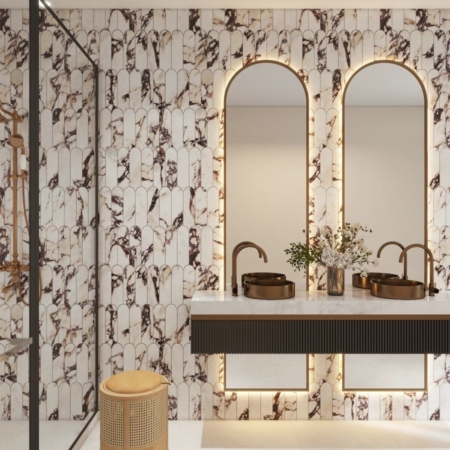
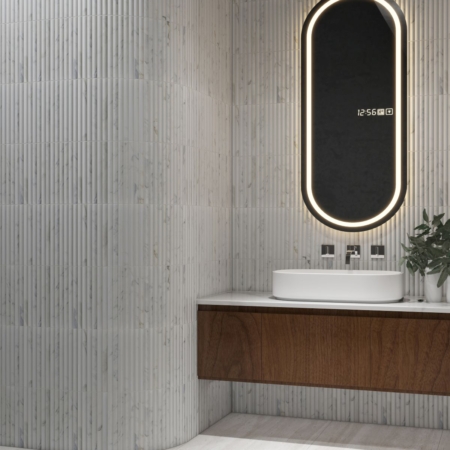
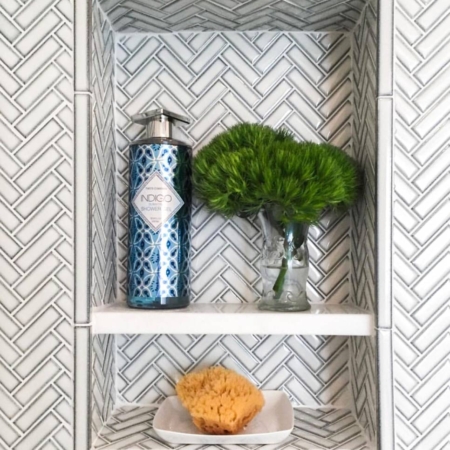
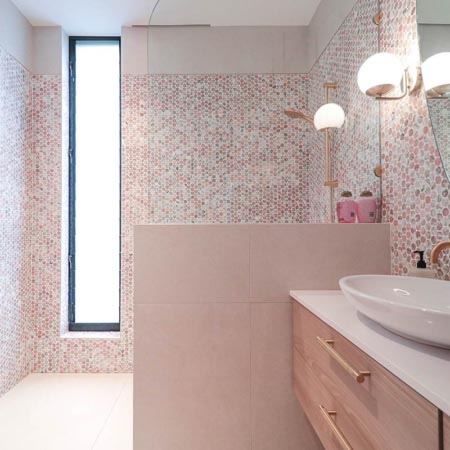
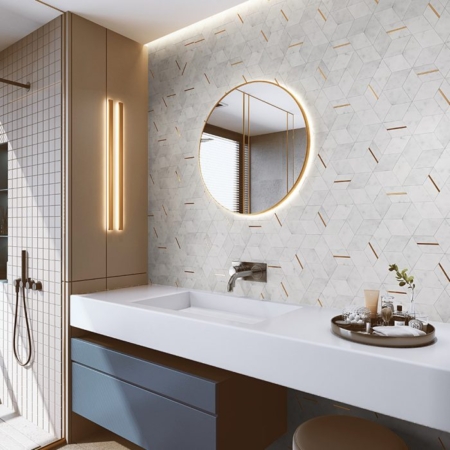
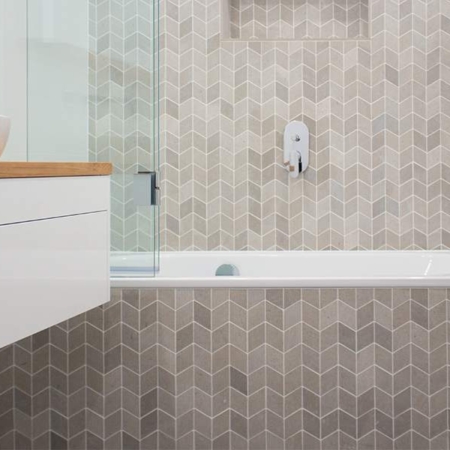
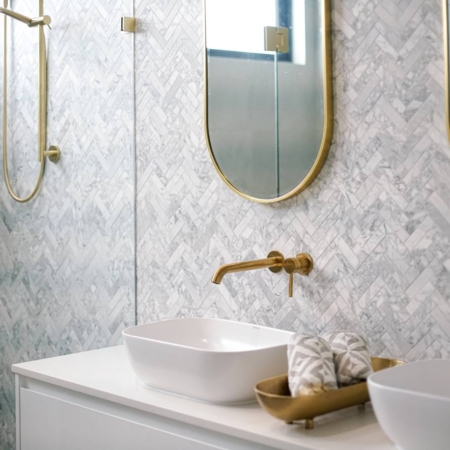
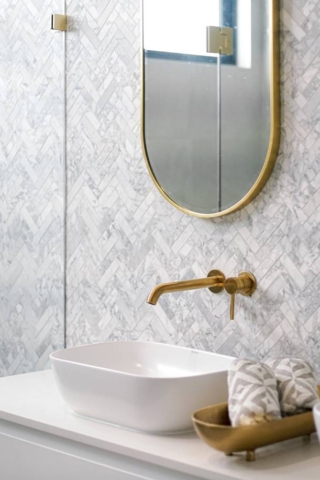
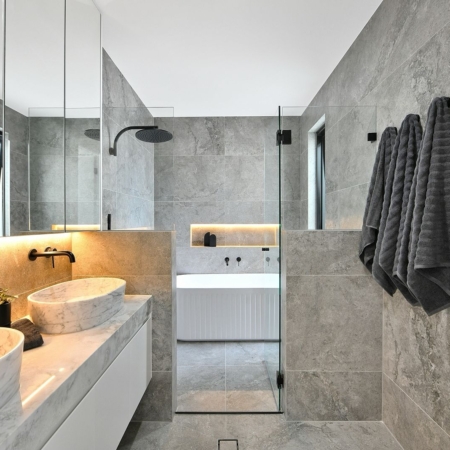
In bathrooms, herringbone bathroom tiles can define shower walls, vanity areas, bath surrounds, and recessed niches. Vertical herringbone layouts can draw the eye upward and add height to compact spaces. Horizontal layouts create a softer sense of movement across the wall.
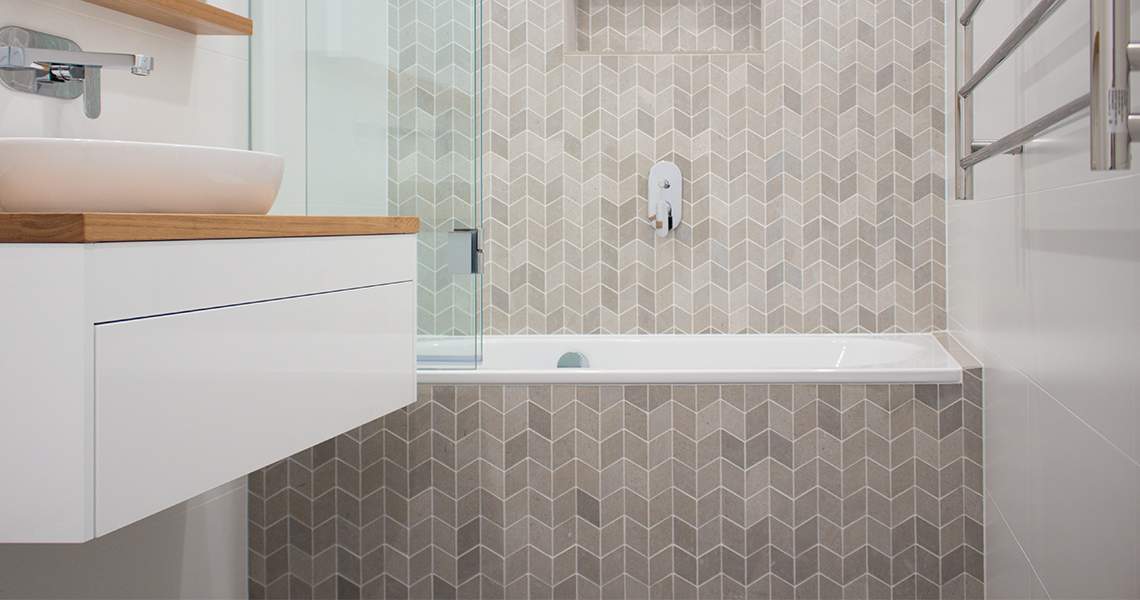
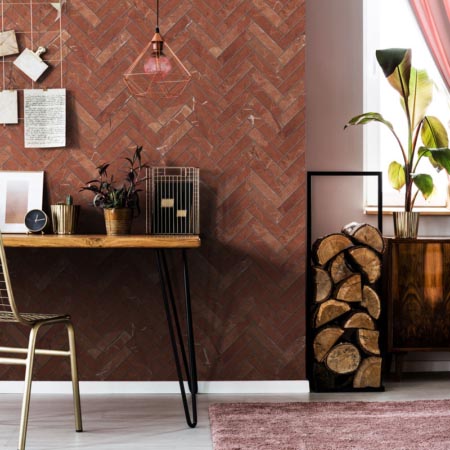
Herringbone wall tiles are particularly suited to areas where detail is viewed closely. Around mirrors, ledges, corners, and joinery, the pattern rewards careful setting out. The result feels refined when grout tone, tile edge, and finish are considered together. For broader vertical applications, explore our curated range of wall tiles to coordinate herringbone surfaces with adjoining finishes.
Herringbone floor tiles can define entryways, powder rooms, kitchens, bathrooms, and selected living areas. On floors, the pattern has more visual weight, so restraint is essential. Soft neutrals, stone-inspired tones, and timber-look porcelain often create the most composed result. The layout can also guide movement through a space. It can direct the eye along a hallway, frame a kitchen zone, or add greater detail to a bathroom floor without relying on decoration.

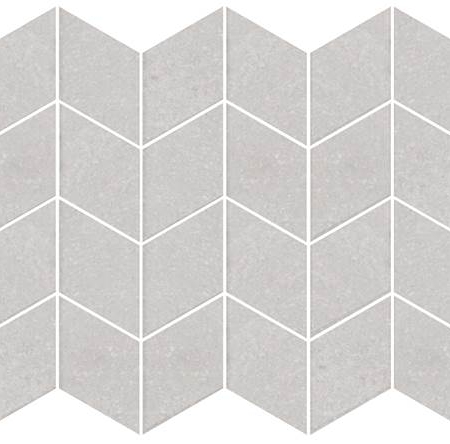
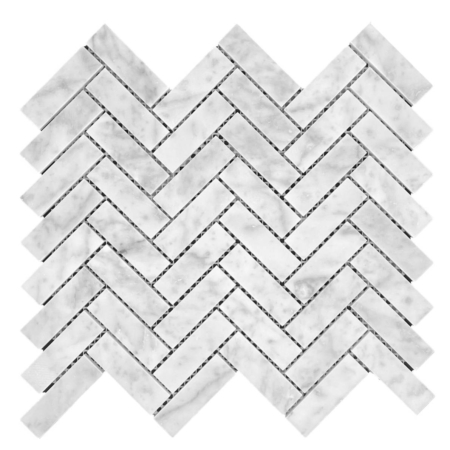
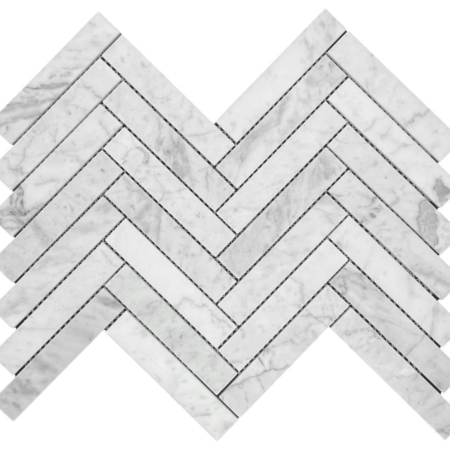
The character of herringbone tiles changes with material, scale, and finish. Scale is critical. Smaller herringbone tiles create finer rhythm and more detail. Larger formats feel calmer, with fewer visual interruptions. The choice of material and finish should respond to the room’s proportions, lighting, and surrounding materials.
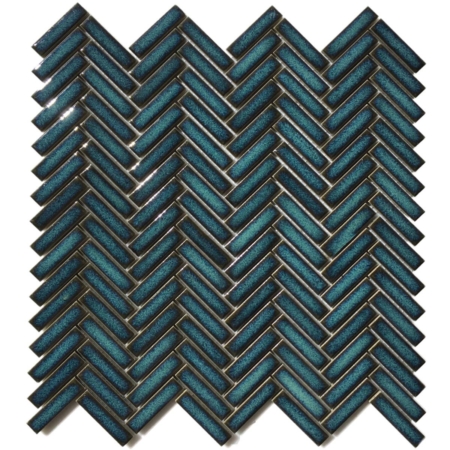
Ceramic herringbone tiles often bring glaze depth and tonal variation. They suit splashbacks, powder rooms, feature walls, and bathroom details where light can move across the surface.
Porcelain herringbone tiles offer greater density and consistency, making them suitable for selected floor and wet area applications when the product is rated for use.
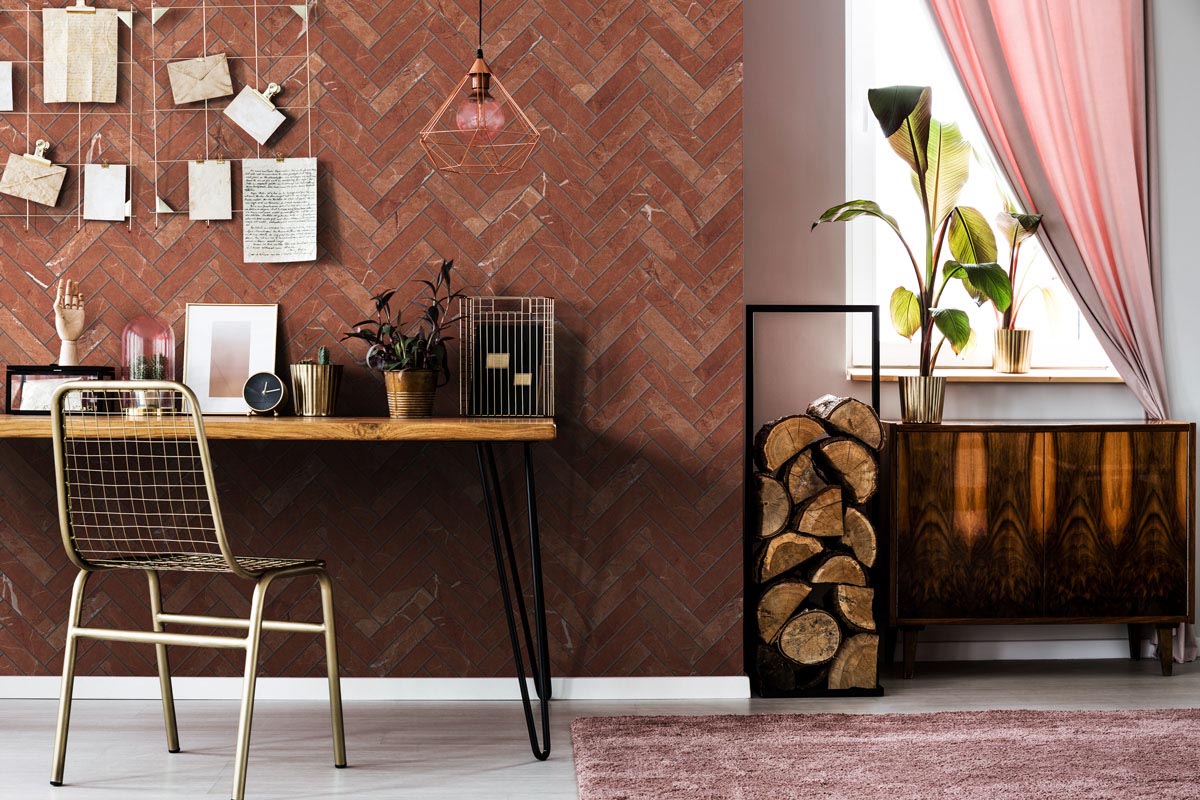
Matt herringbone tiles create a restrained surface with less reflection.
Gloss herringbone tiles bring brightness and visual movement. Textured finishes add tactility through shadow and are useful where the surface needs depth without strong colour.
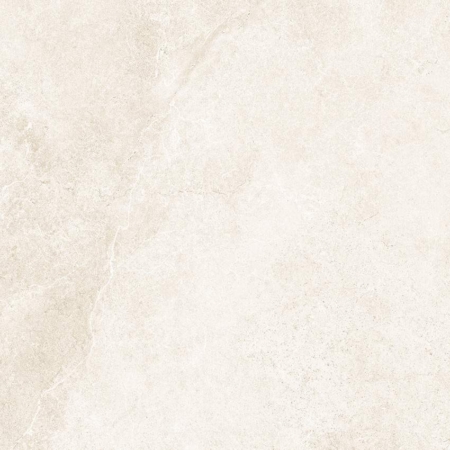
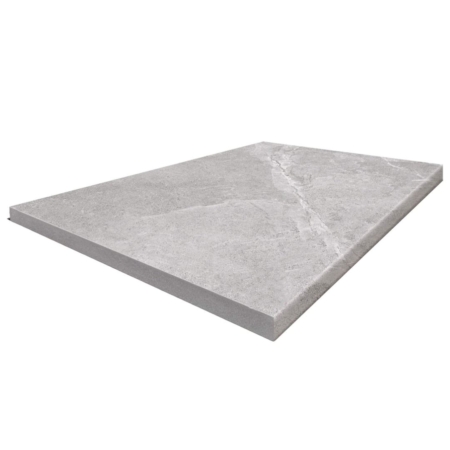
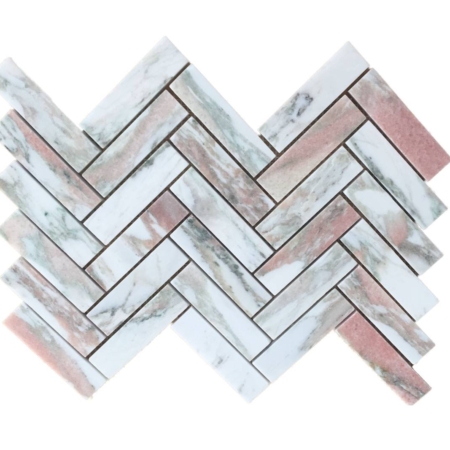
Stone-look herringbone tiles can bring mineral variation into a space while retaining a controlled pattern.
Timber look herringbone tiles can introduce warmth and familiarity, especially across floors or transition zones.
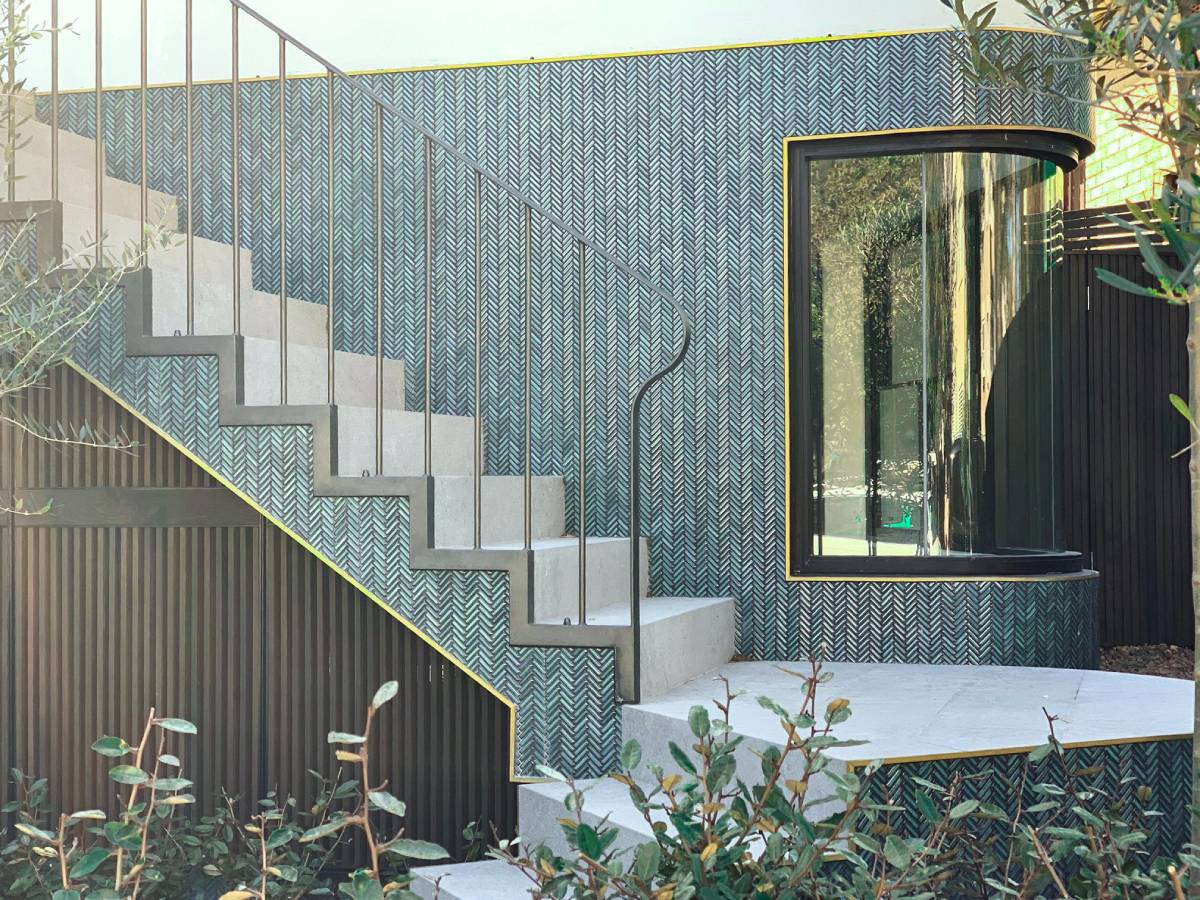
Herringbone outdoor tiles should be specified carefully. They can work in covered outdoor areas, alfresco zones, sheltered walls, and courtyards when the product is suitable for exposure. For external floors, slip resistance, durability, and maintenance must guide selection.
Herringbone tiles bring luxury through measured detail. When selected with restraint, they create interiors that feel composed, tactile, and quietly expressive.
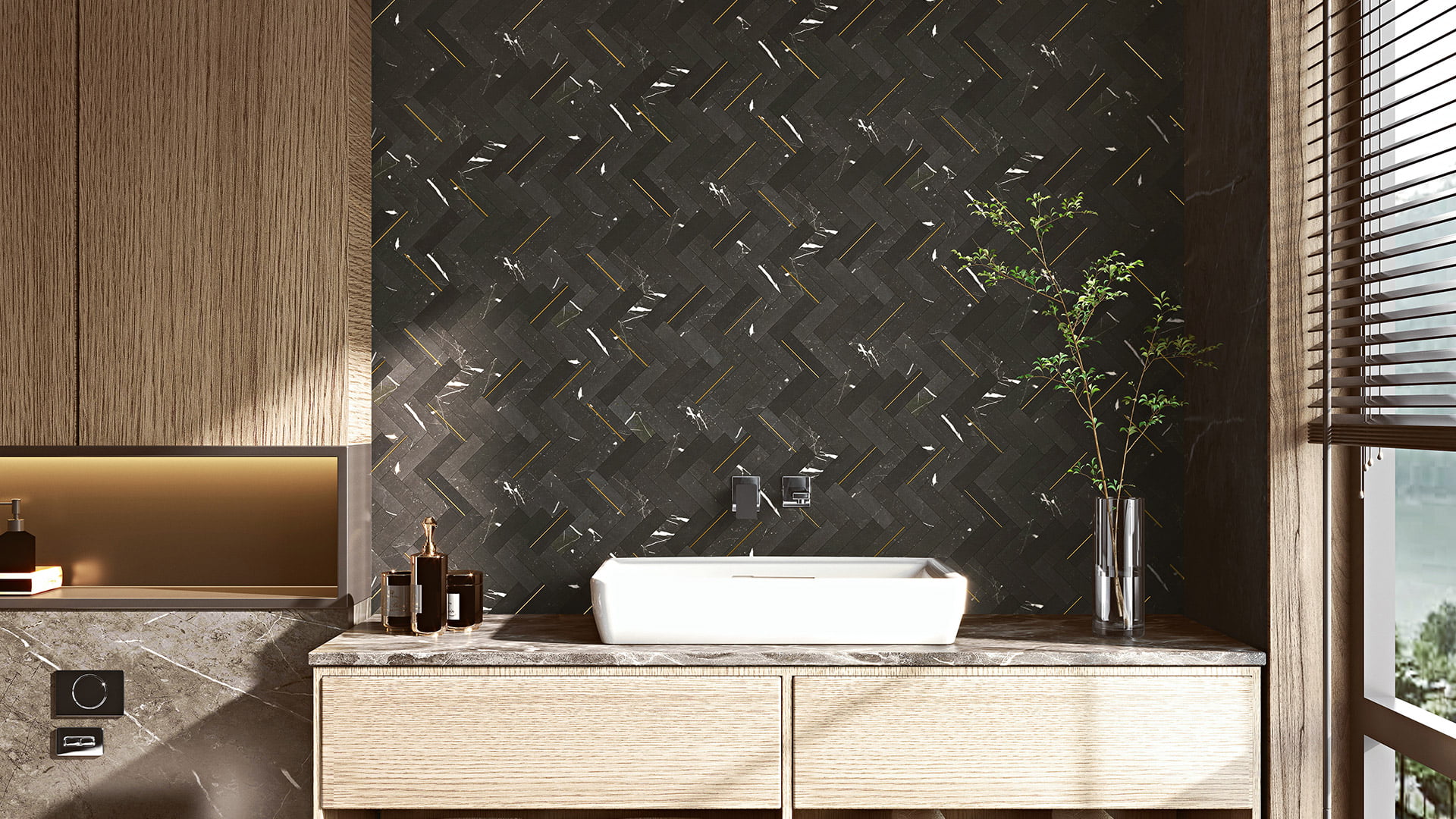
Designers choose herringbone tiles when a space needs rhythm, tactility, and architectural detail. At Showtile, our herringbone tile collection is selected for finish quality, tonal balance, and material integrity. We consider how each tile responds to light, how the pattern aligns with built elements, and how the final surface sits beside stone, timber, metal, and joinery.
Architectural samples are available to support decisions on tone, finish, and layout before specification. To explore our collection or request architectural samples, contact the Showtile team at Email: sales@showtile.com.au, phone: 02 9709 5836
Mon - Fri
8:00 am to 5:00 pm
Sat
9:00 am to 3:00 pm
Sun
Closed
Working on a Project?