





































Business Hours
Mon - Fri
8:00 am to 5:00 pm
Sat
9:00 am to 3:00 pm
Sun
Closed
About Us


Working on a Project?

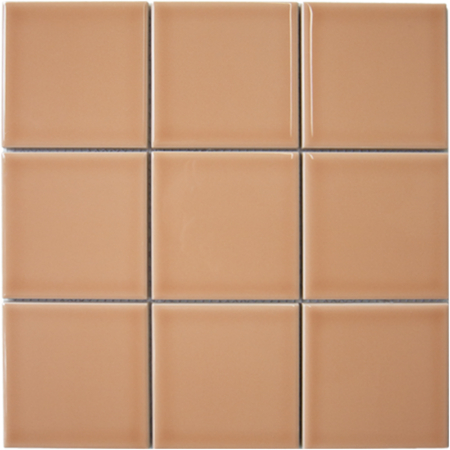
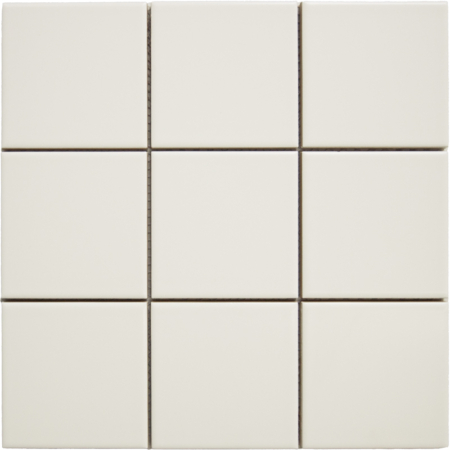
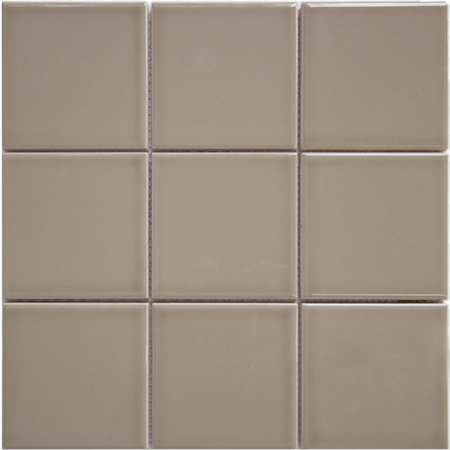
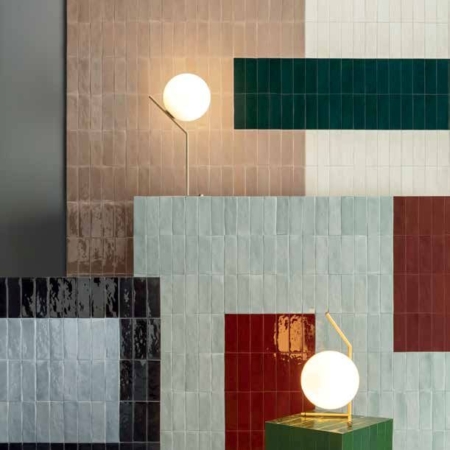
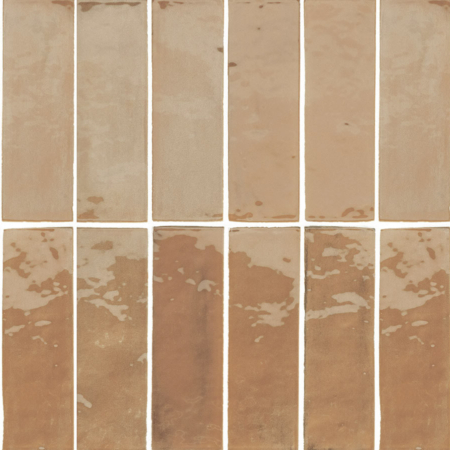
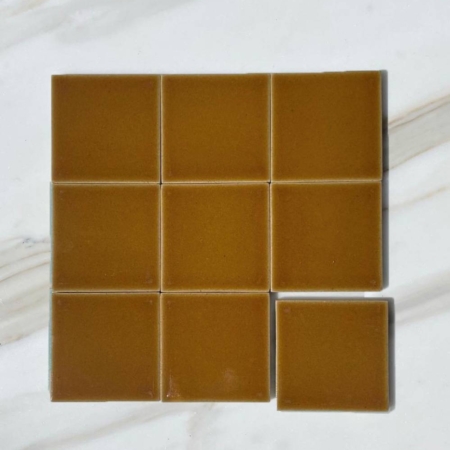
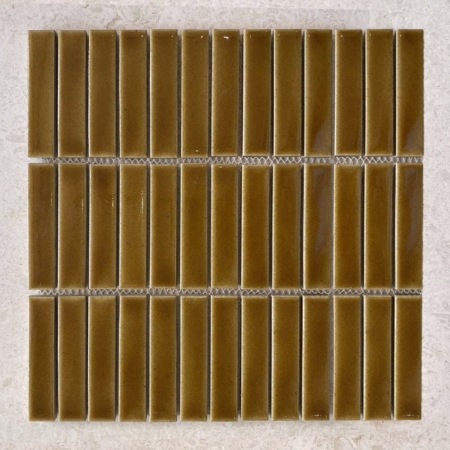
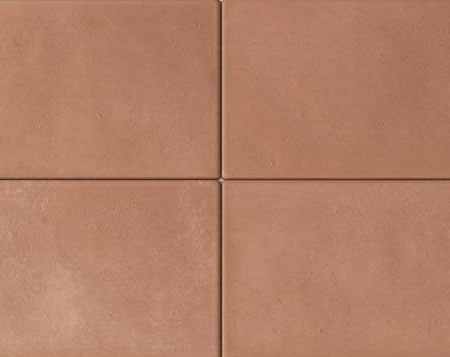
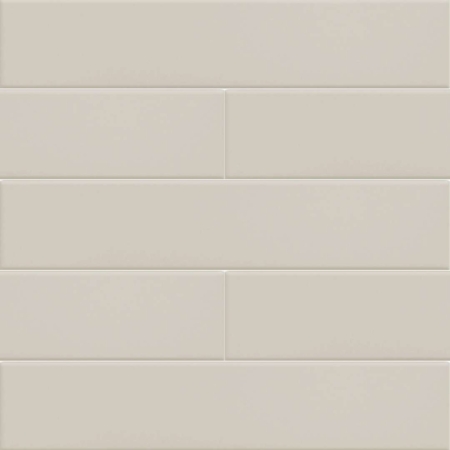
Ceramic tiles bring a precise, tactile quality to interior surfaces. Defined by clay body, glaze, colour, and finish, ceramic tiles are valued for the way they shape light and introduce rhythm across wall tiles and detailed zones.
In refined interiors, ceramic is rarely used as a background material on its own. It can define a splashback, soften a bathroom wall, frame a niche, or introduce a controlled colour shift within a restrained palette. Its strength lies in surface expression. Glaze depth, tonal variation, and edge detail all influence how the tile reads within the architecture. At Showtile, our ceramic tiles are selected for their ability to bring detail and material presence without overwhelming the space.
 residential
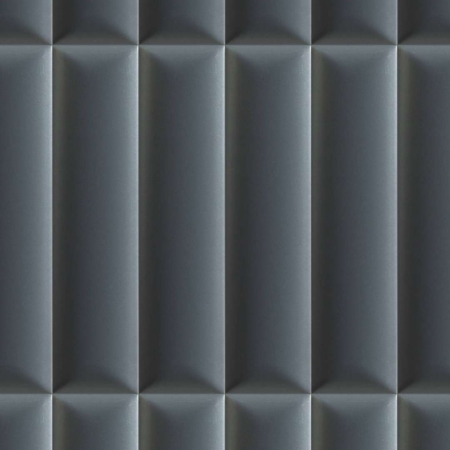
The Lewisham Project explores a playful yet refined aesthetic, using stone-look tiles to add character and movement...
 residential
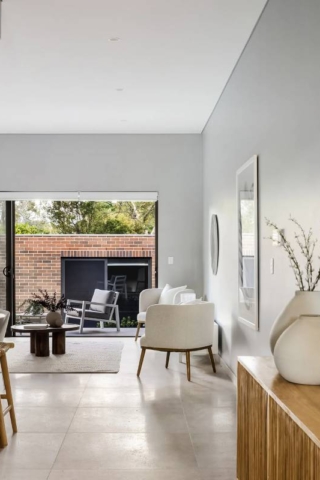
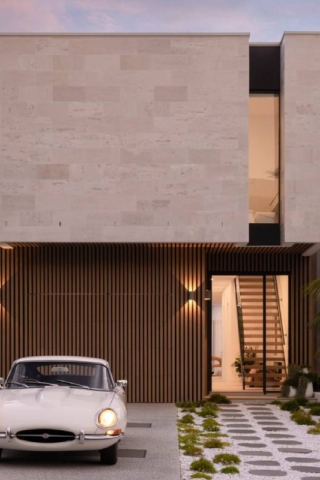
Step into a showcase of architectural excellence with this beautifully crafted, brand-new double-brick home, framed...
 residential
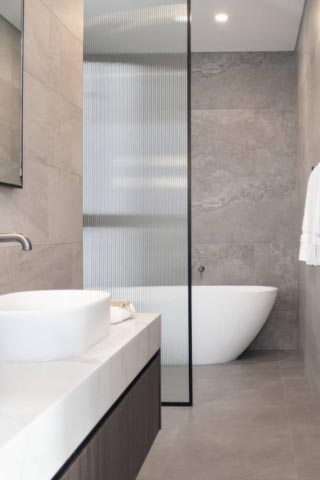
Inspired by Contemporary Minimalsim, the Gladesville Project focuses on high-contrast surfaces and sharp geometric...
 commercial
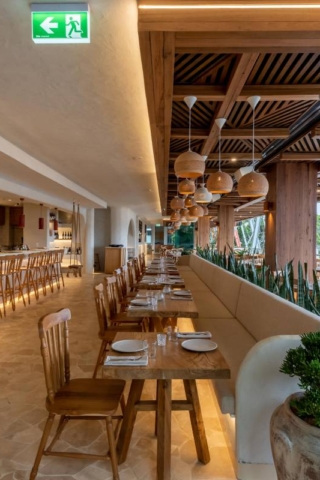
Alegre Bar and Dining showcases a refined blend of contemporary design and inviting atmosphere. The space combines...
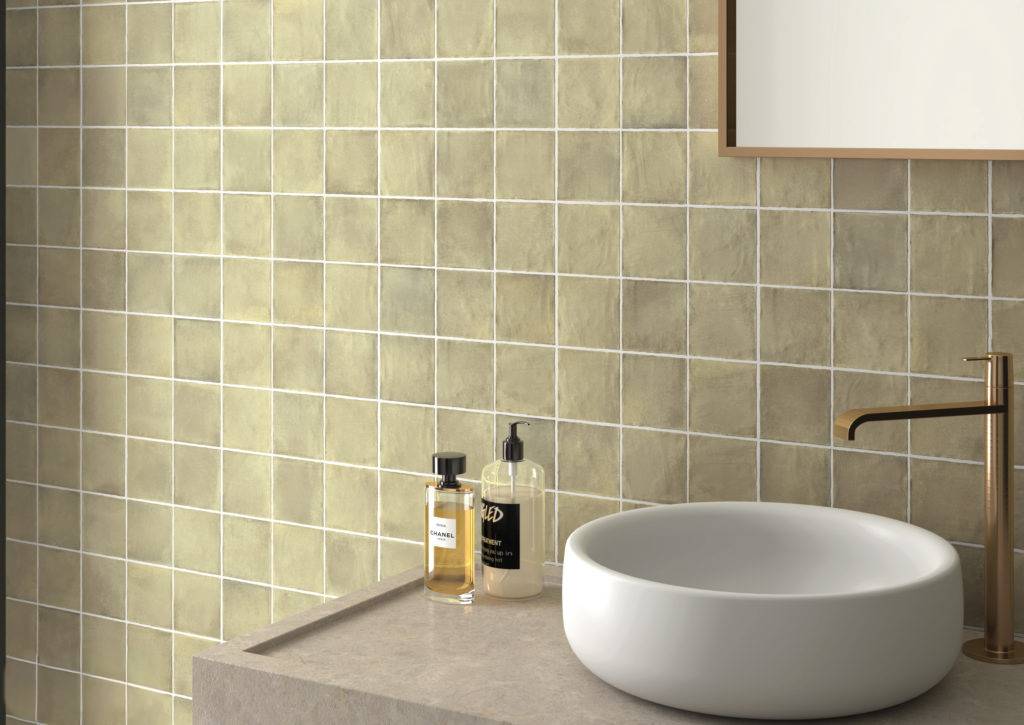
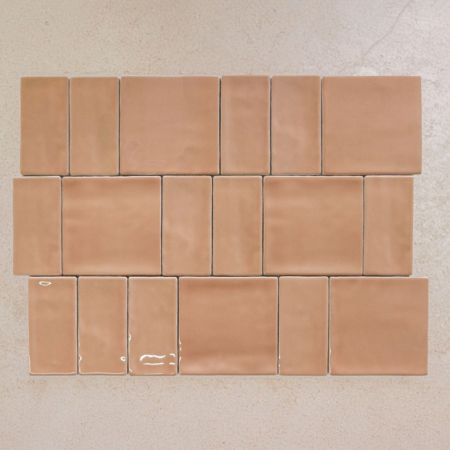
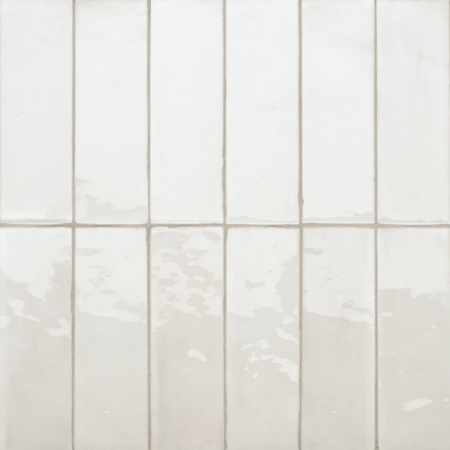
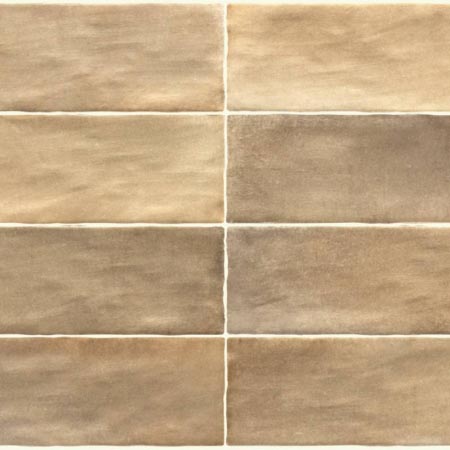
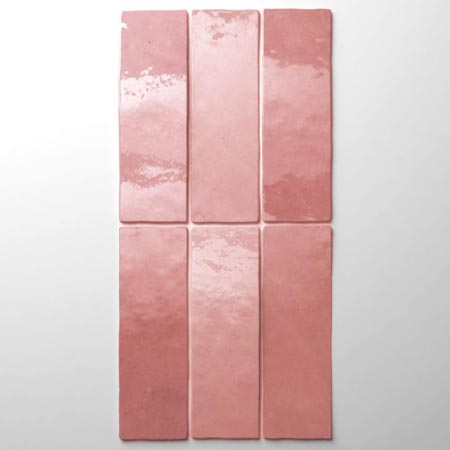
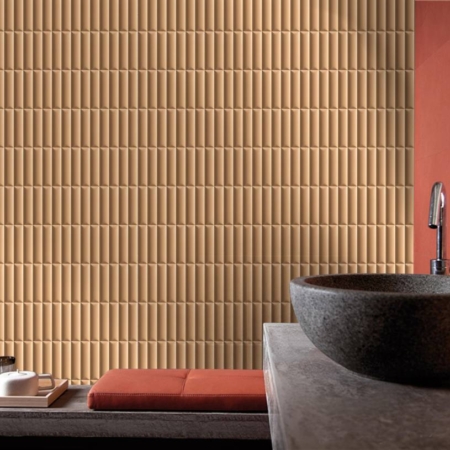
Ceramic tiles are often specified where light behaviour matters. A glazed ceramic surface can carry subtle reflection without the hard polish of glass or stone. Matt ceramic tiles create visual calm, while gloss ceramics introduce gentle movement through reflected light. Ceramic wall tiles are particularly useful where designers want rhythm at a smaller scale. Rectangular formats, handmade effects, and tonal glaze shifts can all create movement without relying on a strong pattern.
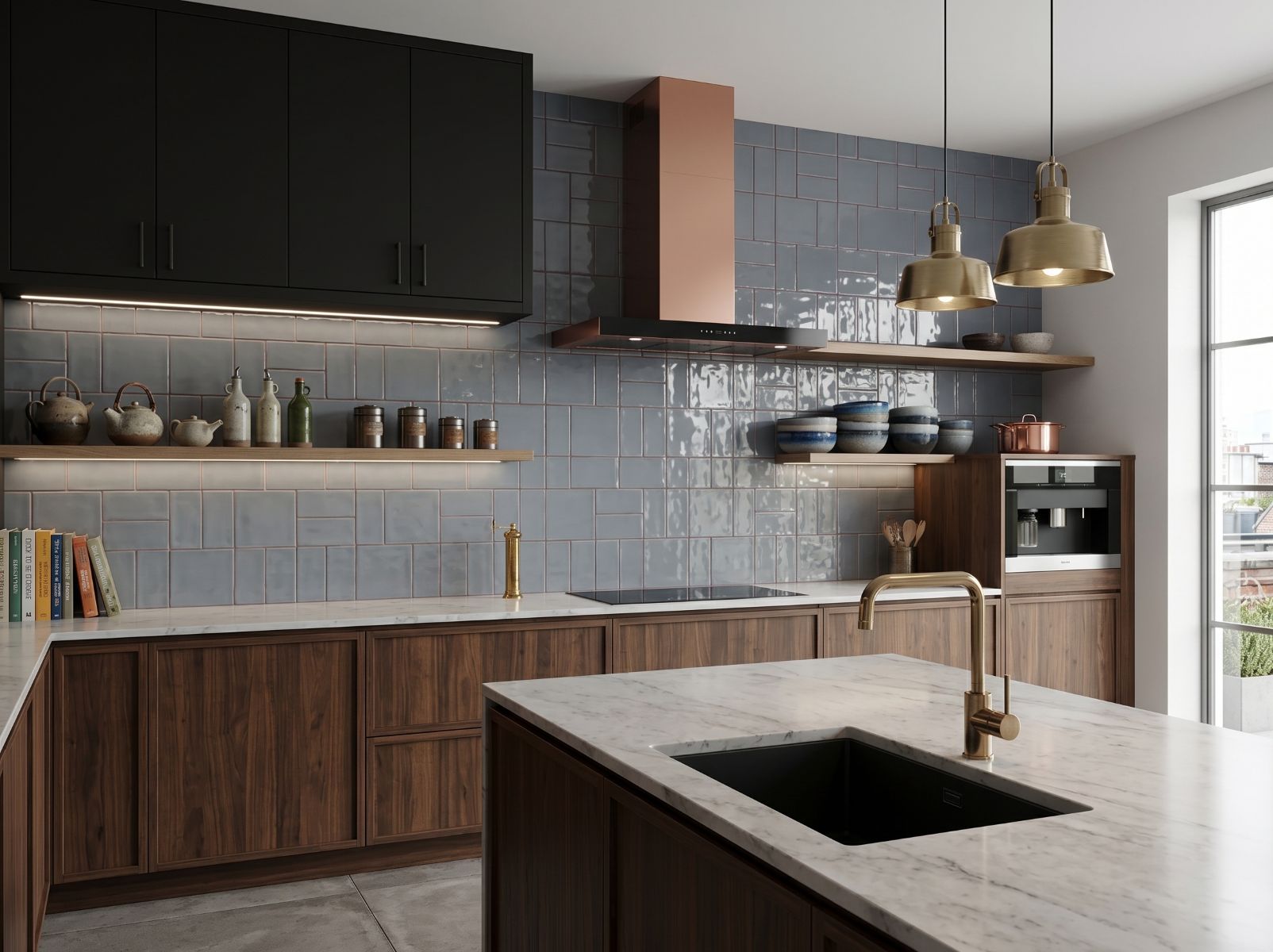
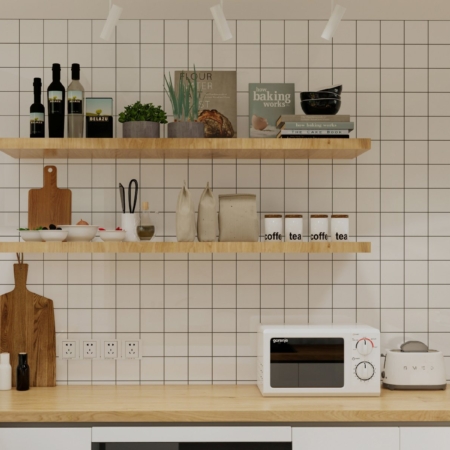
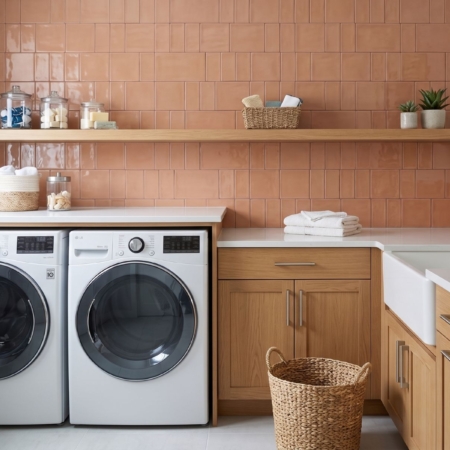
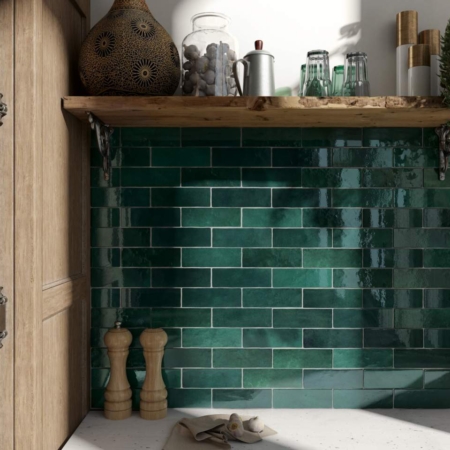
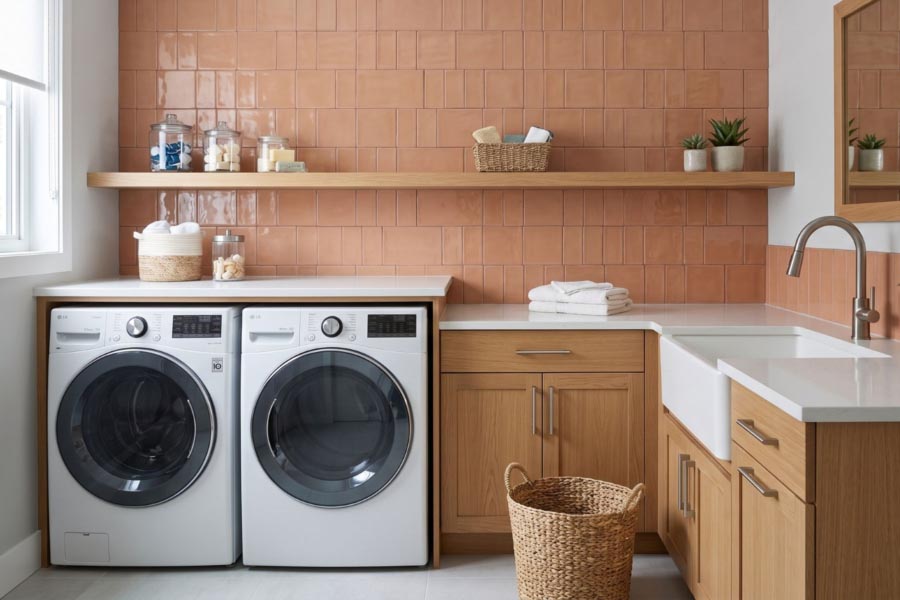
Ceramic tiles are best understood as a surface for detail, light, and atmosphere. They are frequently used on walls, splashbacks, bathroom planes, and feature areas where touch and close viewing matter. In these settings, their smaller formats and glaze variation add intimacy. A ceramic wall tile behind open shelving can soften kitchen joinery.
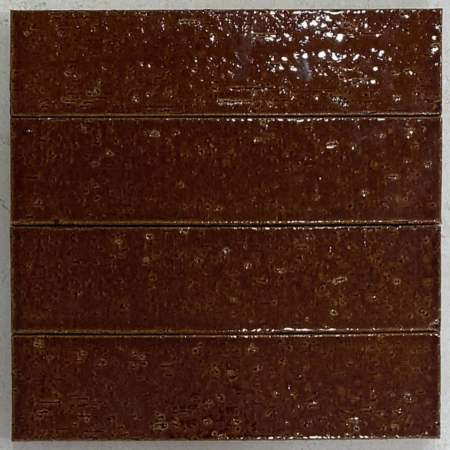
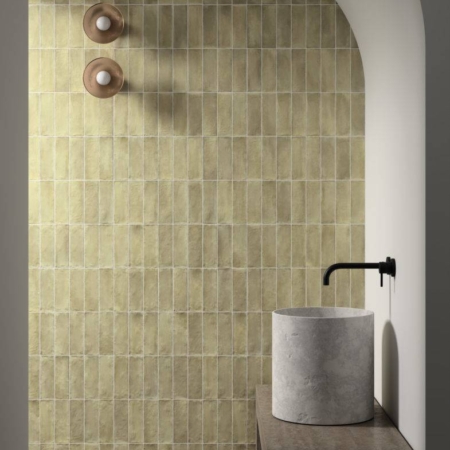
In a powder room, a deeper glaze can create a sense of enclosure without heaviness.
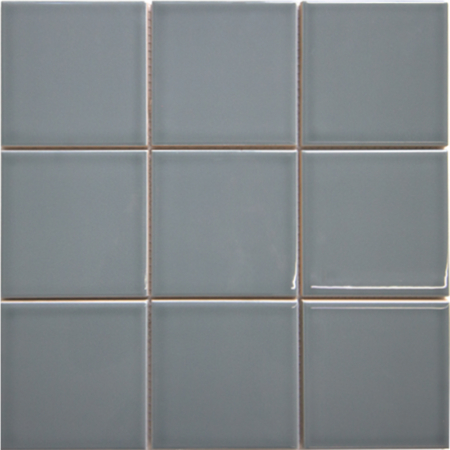
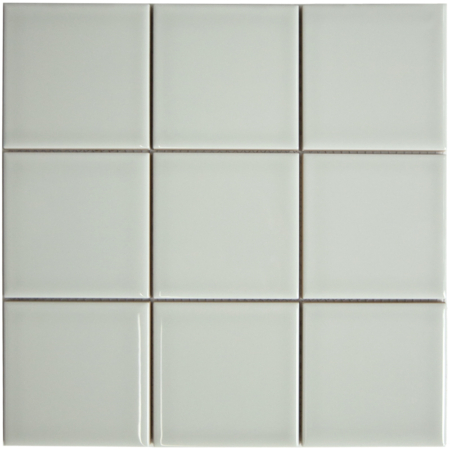
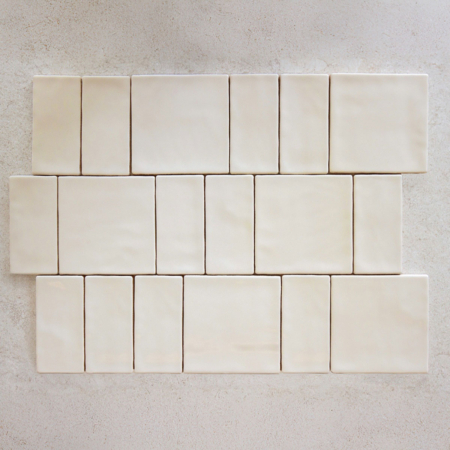
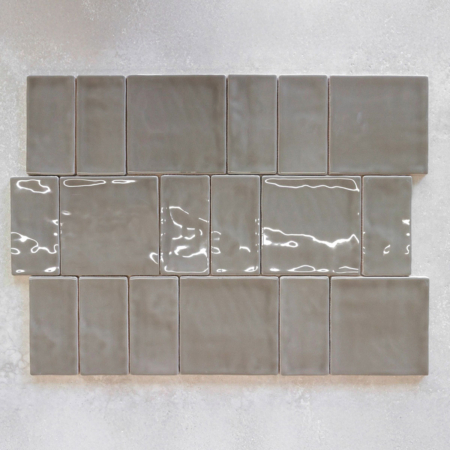
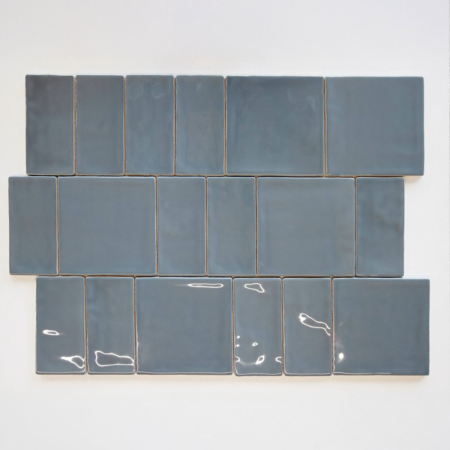
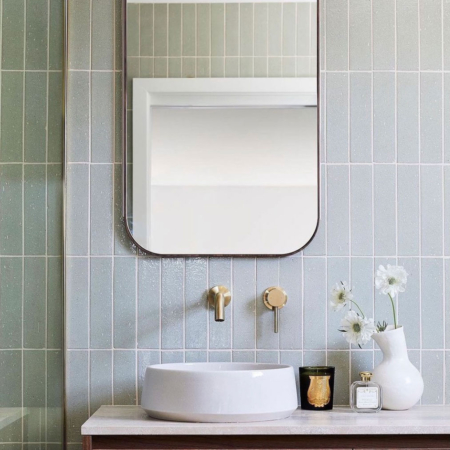
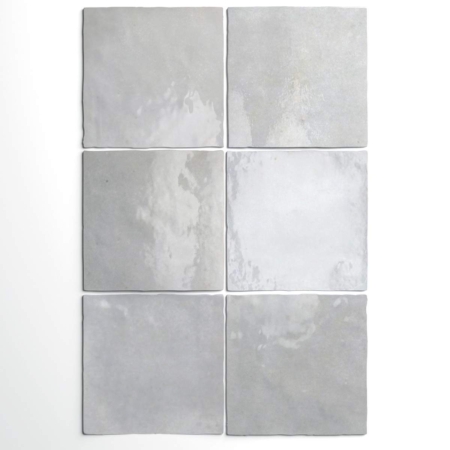
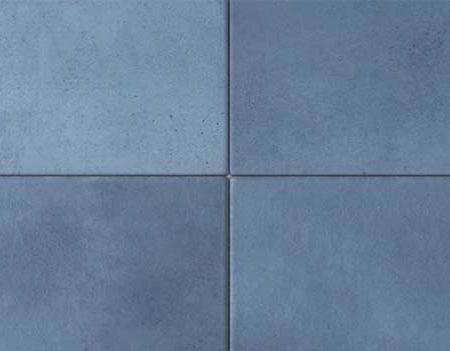
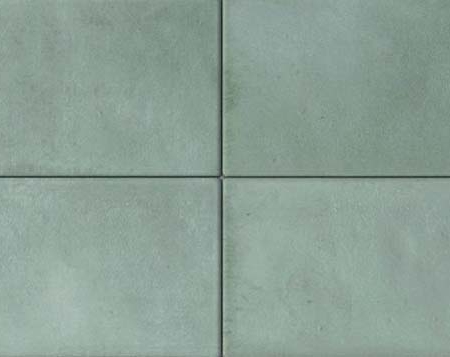
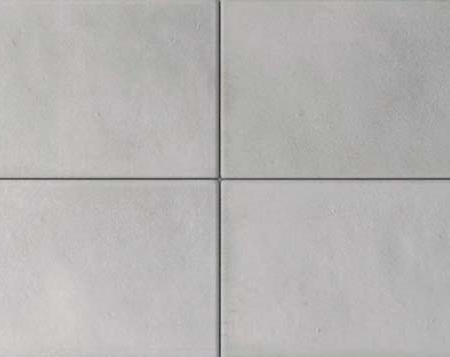
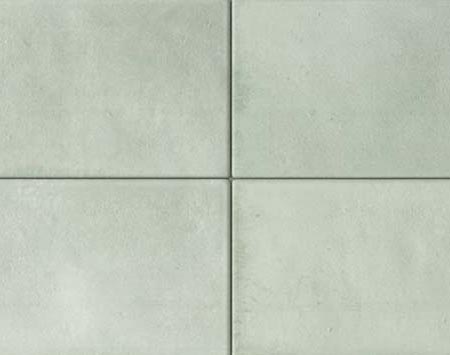
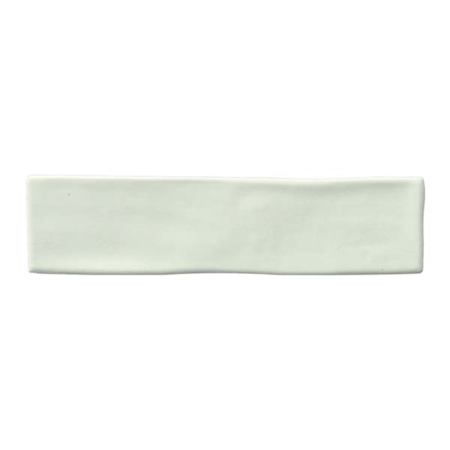
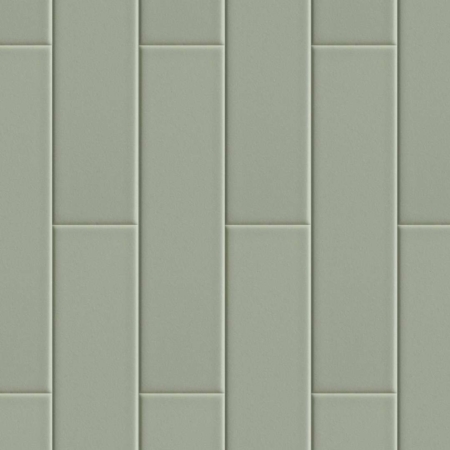
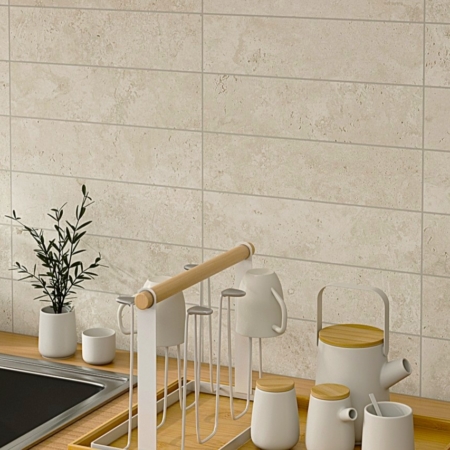
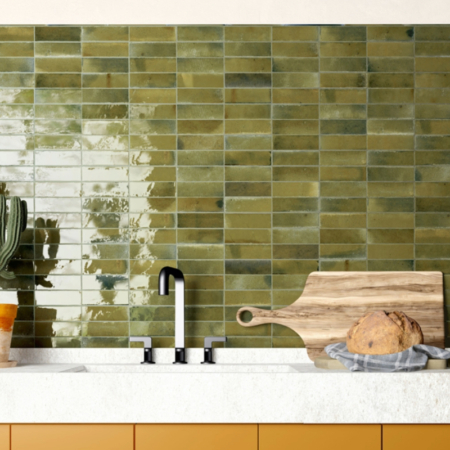
In kitchens, ceramic kitchen tiles create a refined splashback plane that responds to daylight, cabinetry, and benchtop material. The surface can sit quietly in soft white, warm grey, or mineral green, or bring greater depth through darker tonal glazes.
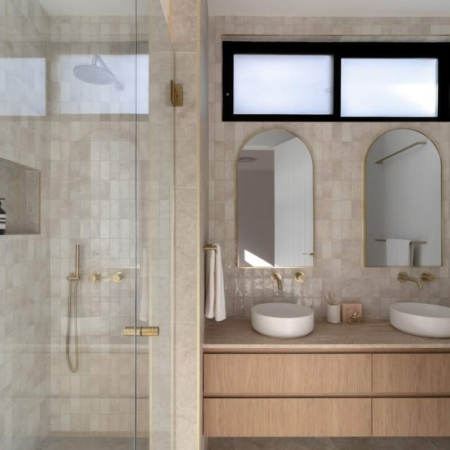
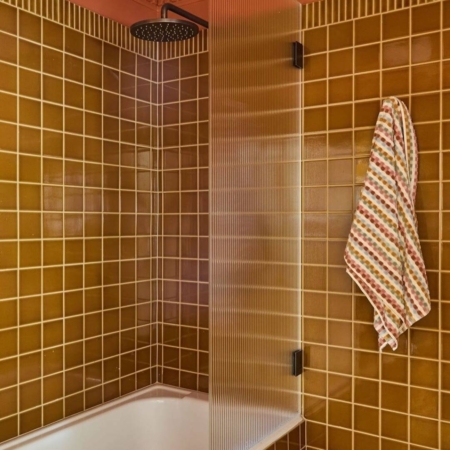
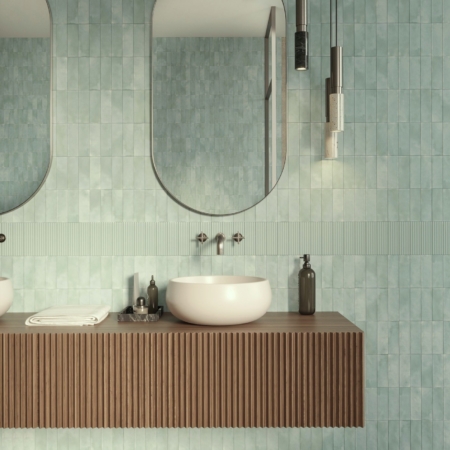
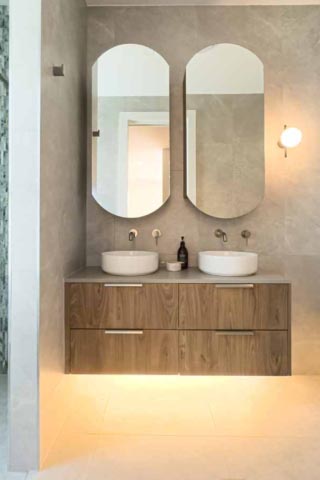
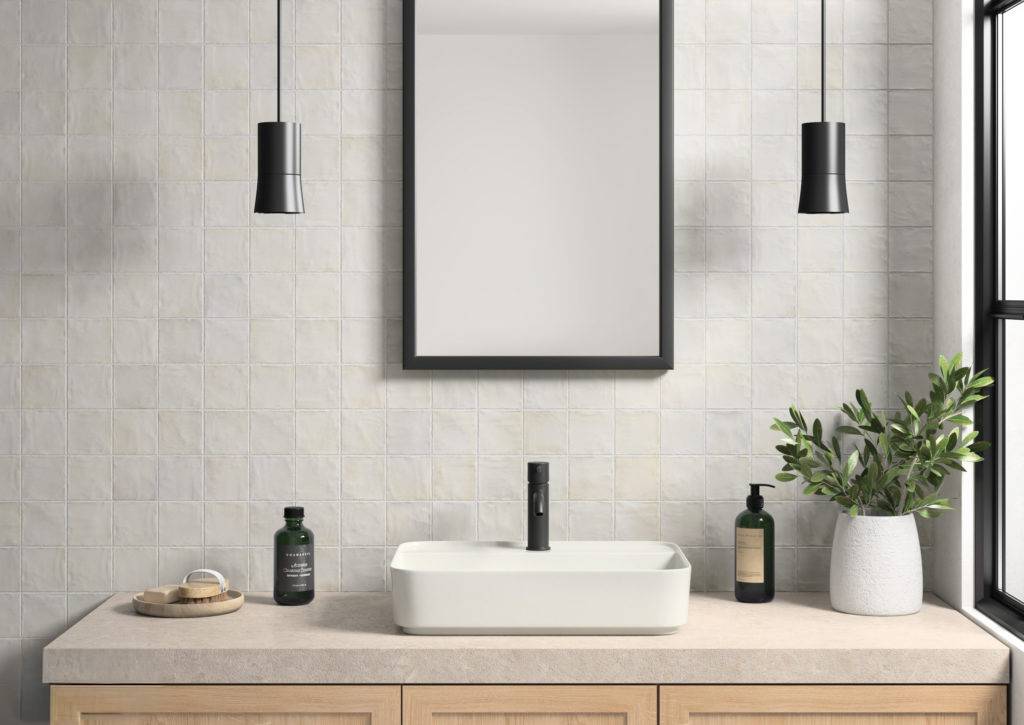
In bathrooms, ceramic bathroom tiles work especially well on walls, vanity zones, shower surrounds, and feature niches. Their finish can soften hard surfaces and add a sense of tactility to compact rooms.
For high-traffic flooring, or exposed external conditions, porcelain is often the more stable choice due to its density and lower water absorption.
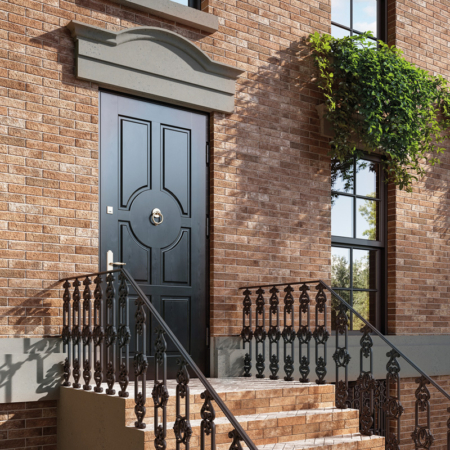
Ceramic outdoor tiles should be specified carefully. In sheltered exterior walls, covered outdoor kitchens, or protected vertical applications, ceramic can introduce colour and texture. For fully exposed floors, pool surrounds, or high-wear areas, porcelain generally offers stronger performance.
This distinction matters. Ceramic is no less refined. It simply performs best when used where its glaze, tactility, and surface character can be appreciated.
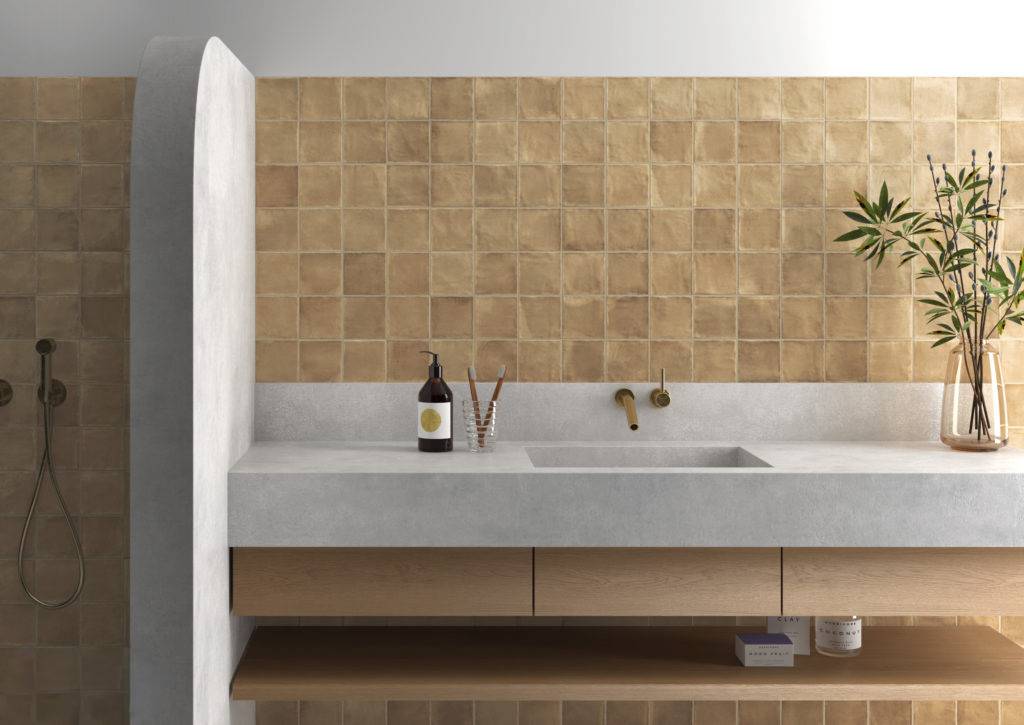
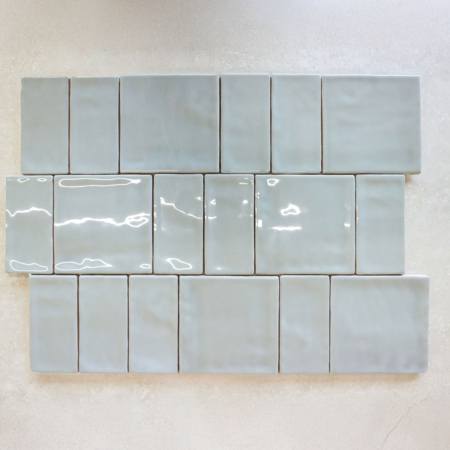
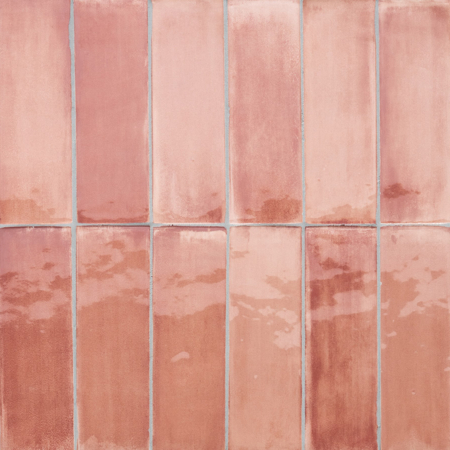
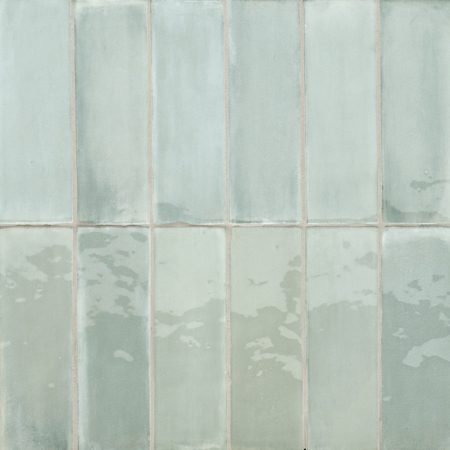
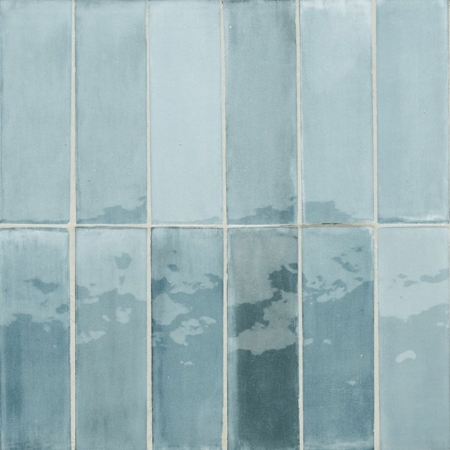
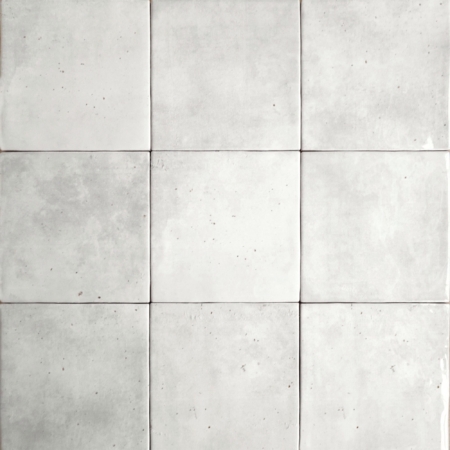
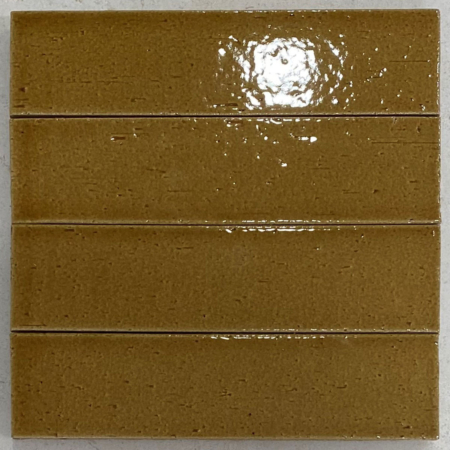
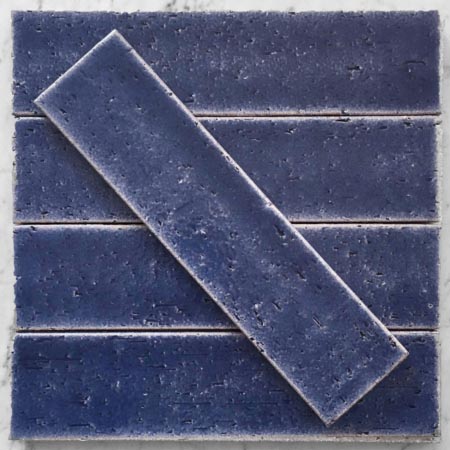
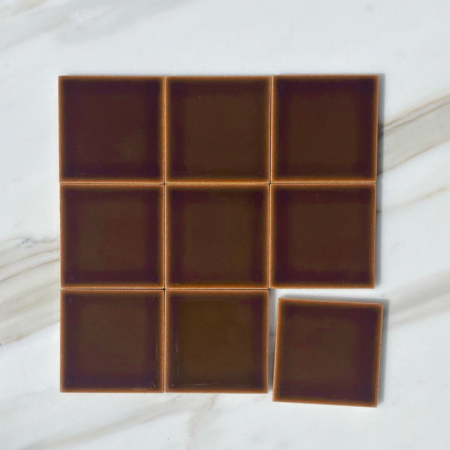
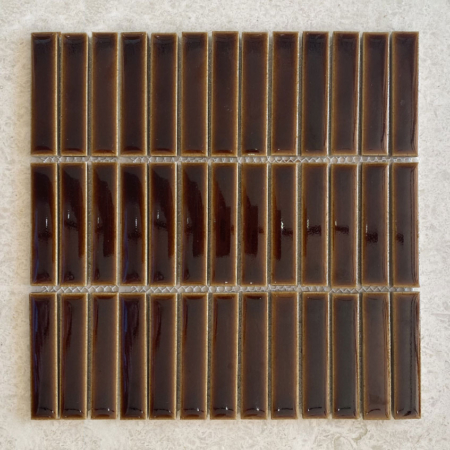
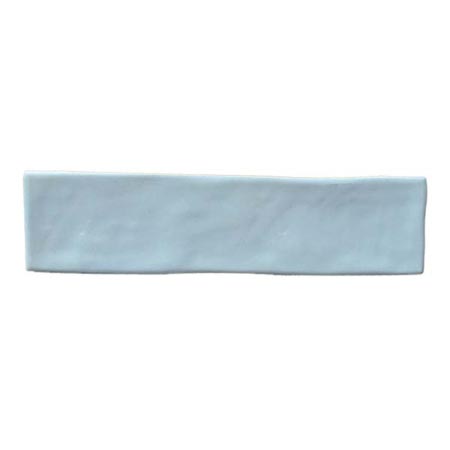
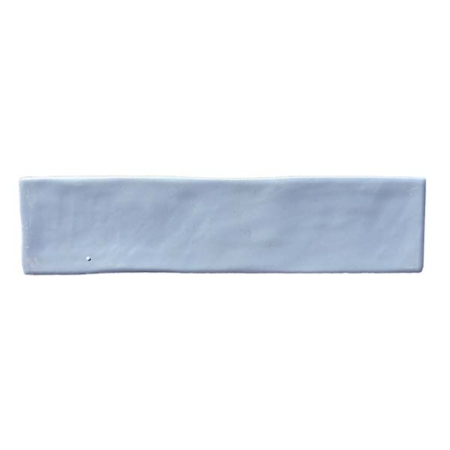
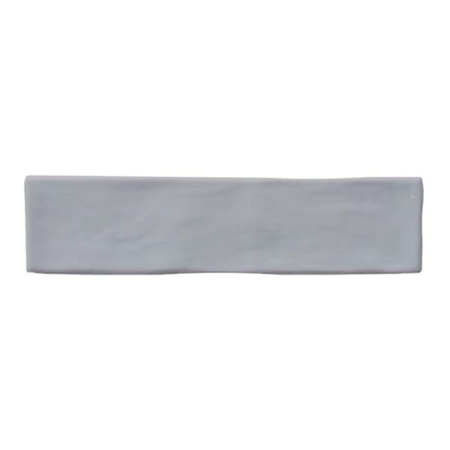
Ceramic tiles offer a level of glaze depth that supports layered materiality. Their surface can be smooth, rippled, matte, satin, or gloss. Each finish creates a different response to light. Gloss ceramic tiles can brighten enclosed rooms, while matt ceramics absorb light and create a softer architectural tone.
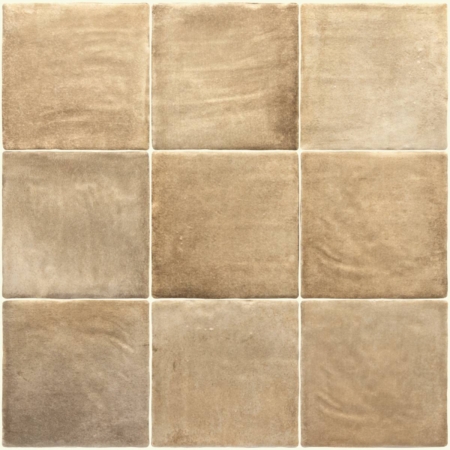
Tonal variation is central to ceramics’ appeal. Slight shifts between tiles prevent walls from feeling
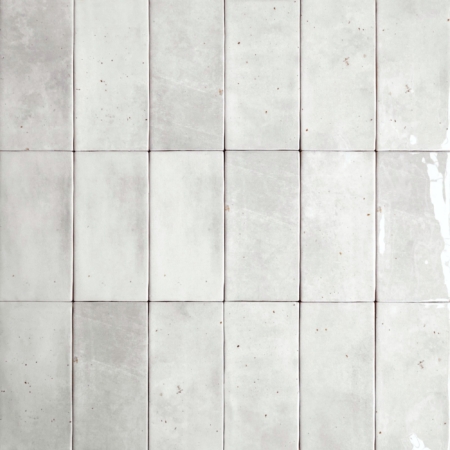
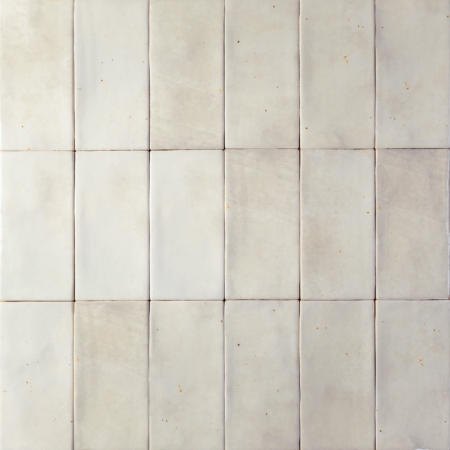
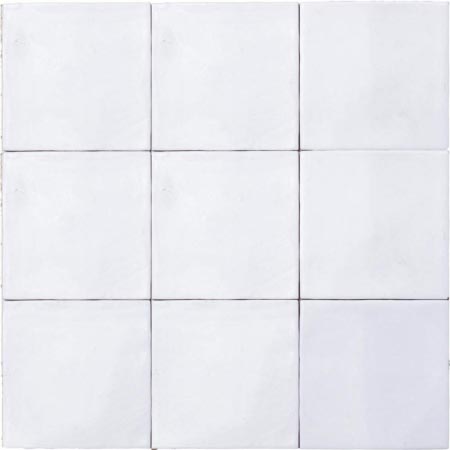
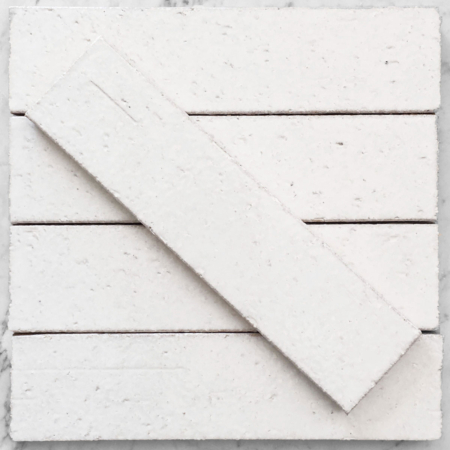
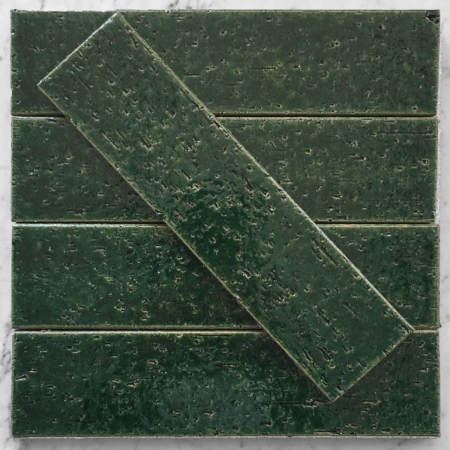
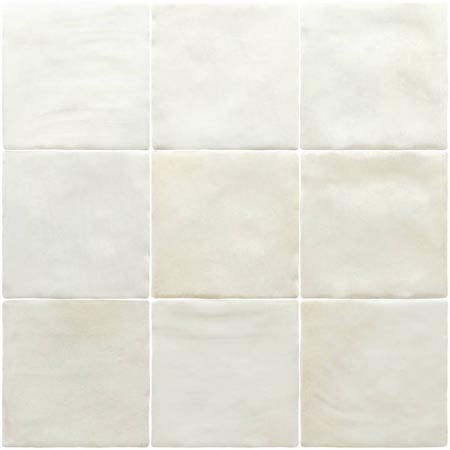
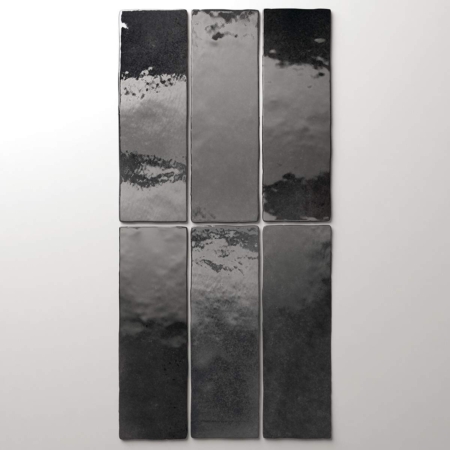
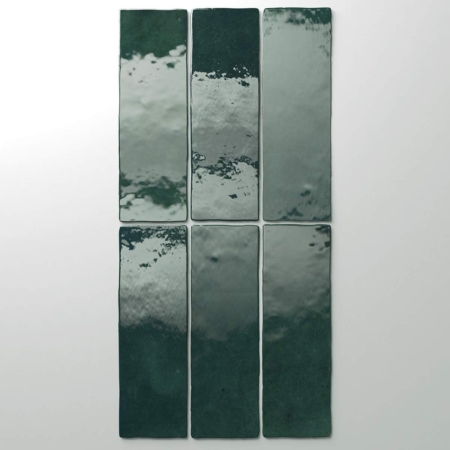
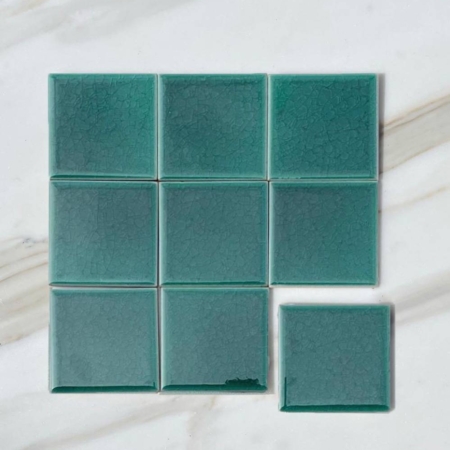
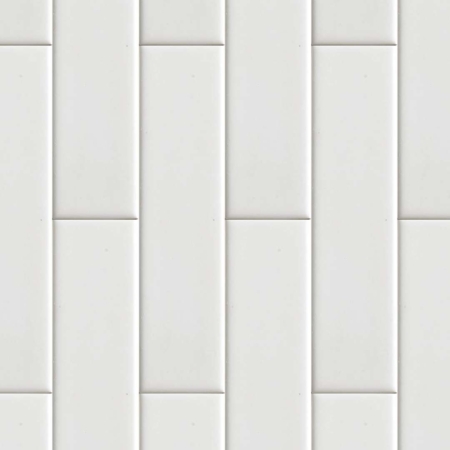
flat. This is particularly effective in handmade or handmade-inspired formats, where surface irregularity produces shadow and depth. Colour should remain considered. White ceramic tiles offer clarity and restraint. Green ceramic tiles can introduce organic depth. Black ceramic tiles create structure and contrast when used with control.
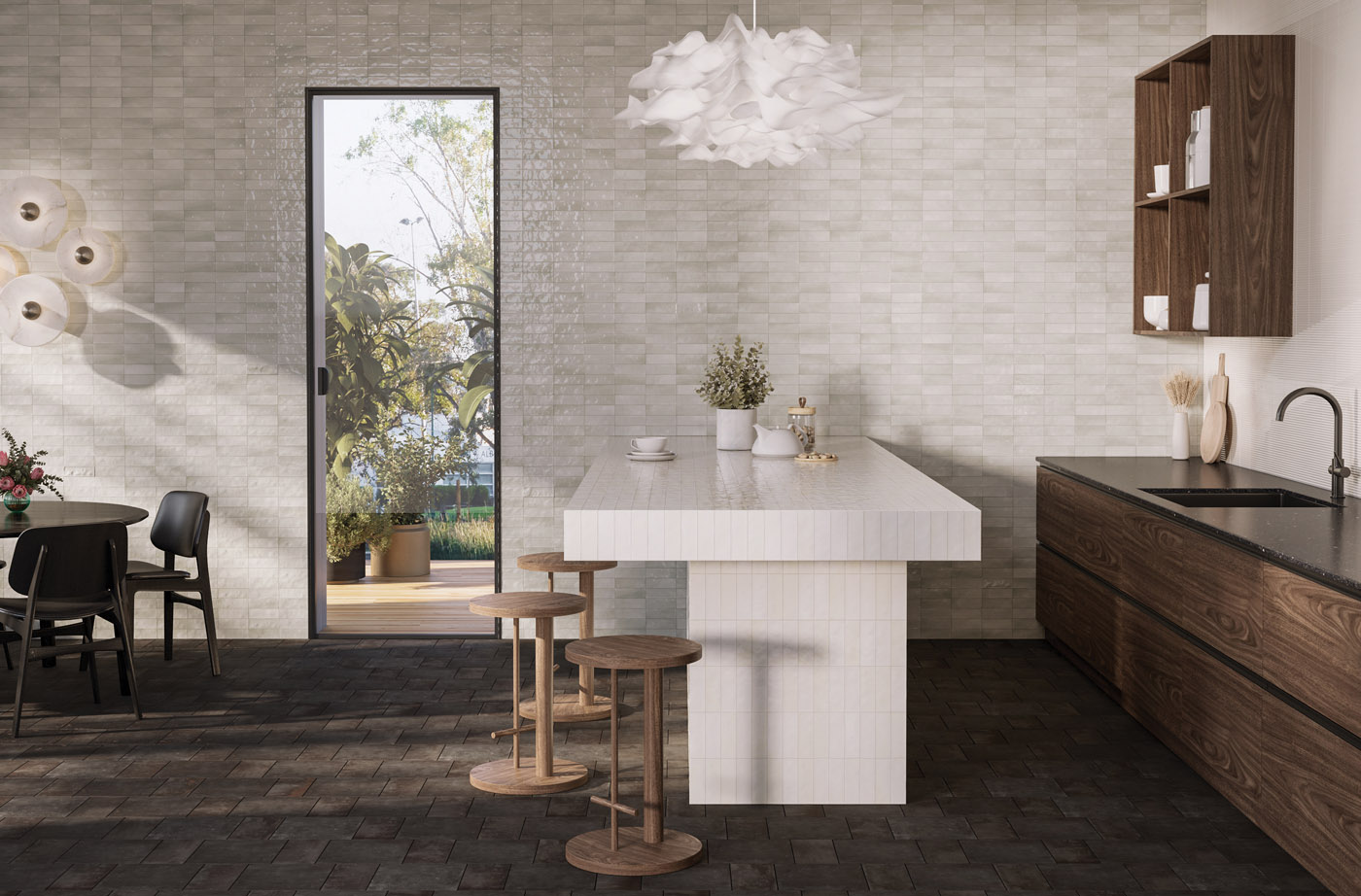
Designers choose ceramic tiles for their capacity to refine surface detail. At Showtile, our ceramic tile collection is curated for finish quality, tonal control, and architectural relevance. Each selection is considered in terms of how it interacts with light, joinery, stone, timber, and surrounding finishes.
We provide architectural samples to support material decisions across kitchens, bathrooms, feature walls, and detailed interior zones. This allows designers to assess glaze, tone, and texture in the actual project setting.
Ceramic tiles bring luxury through detail. When specified with restraint, they create interiors that feel composed, tactile, and quietly expressive. To explore our collection or request architectural samples, contact the Showtile team at Email: sales@showtile.com.au, phone: 02 9709 5836
Mon - Fri
8:00 am to 5:00 pm
Sat
9:00 am to 3:00 pm
Sun
Closed
Working on a Project?