


Do Softec Tiles Need Sealing?
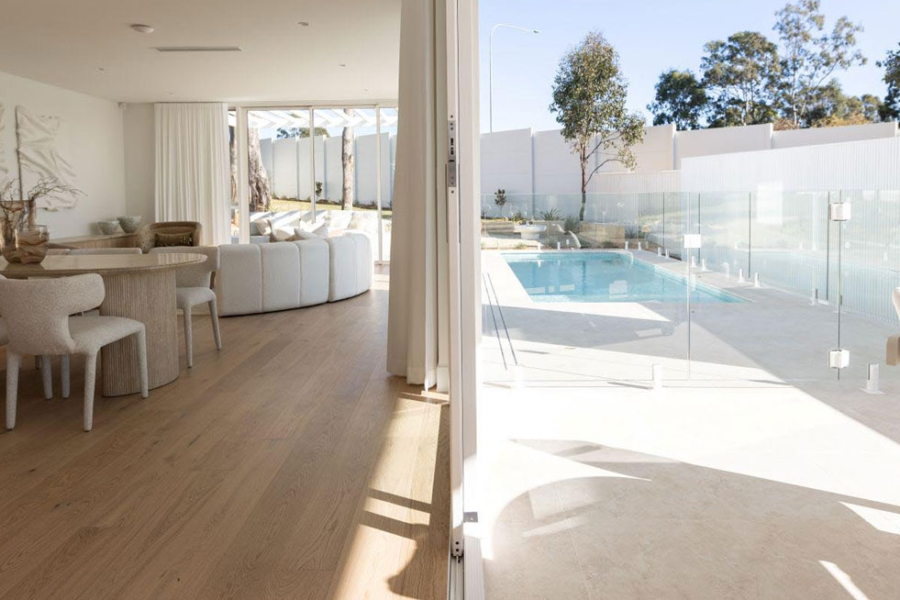
Sealing decisions should start with the material rather than the stone-inspired appearance. Show Tile uses porcelain tile bodies across its Softec™ range, so understanding do Softec tiles need sealing means separating the porcelain surface from grout, waterproofing and any nearby natural stone before choosing a treatment.
Do Softec™ Porcelain Tiles Need the Same Sealing as Natural Stone?
No. Softec™ porcelain should not automatically receive the same sealing treatment as natural stone. The current Softec™ collections shown by Show Tile use porcelain tile bodies, whereas natural stone has different material characteristics and maintenance requirements.
Why Does the Tile Material Matter Before Sealing?
The word “stone” in a product description can refer either to the material itself or to the visual inspiration behind a tile.
Softec™ collections such as Travertino, Bottocino and Crema Marfil recreate natural-stone character through porcelain rather than being quarried stone. Show Tile lists these products as Porcelain Tile and identifies them for wall and floor applications.
For buyers comparing Softec tiles Australia, that material distinction should come before any decision about sealing, cleaning or ongoing maintenance.
Why Can Stone-Look Tiles Cause Confusion?
Names such as Travertino and Crema Marfil are strongly associated with natural stone.

Softec™ porcelain supports simple, low-maintenance care
A homeowner may therefore assume that a stone-look porcelain tile requires the same sealing routine as genuine stone. The safer rule is simple:
Identify the material first, then choose the maintenance treatment.
Why Is Softec™ Different From Natural Stone?
Softec™ is a surface technology used with selected porcelain tiles, while natural stone is a geological material with its own installation and sealing requirements.
What Is the Softec™ Surface?
Show Tile describes Softec™ as a new-generation surface technology combining:
- Soft natural-stone-inspired touch
- P3 slip resistance when wet
- Easy-clean performance
- 3D visual texture
- Matt surface character
The technology is created by Show Tile and is available exclusively through Show Tile.
Readers who need the broader technical explanation can refer to what is Softec tile technology before deciding how the surface should be maintained.
Why Does Natural Stone Often Need Sealing?
Natural stone can have different absorption and surface-care requirements from manufactured porcelain.
Show Tile explicitly states on its Crema Marfil Natural Stone page that sealing is required, with a suitable sealer applied during installation to help protect the stone and maintain its appearance.
That requirement should not automatically be transferred to a porcelain product simply because both surfaces share similar visual inspiration.
Does the Softec™ Surface Need an Additional Protective Coating?
An additional coating should not be applied automatically to a Softec™ surface unless compatibility has been confirmed for the specific product and installation.
Softec™ is already developed as a coordinated surface system with a soft matt feel, P3 wet slip resistance and easy-clean performance.
Why Can Unnecessary Surface Treatments Be a Problem?
Adding an unverified sealer or coating can introduce variables that were not part of the original surface specification.
Possible concerns include:
- Changes in sheen
- Visible residue
- Altered tactile character
- Uneven appearance
- Compatibility with grout or adjacent materials
- Changes to how the finished surface behaves when wet
The issue is not that every sealer will necessarily damage porcelain. The issue is that a treatment should solve a defined requirement rather than being added “just in case”.
Should You Seal Softec™ Just to Be Safe?
A better approach is to ask:
- What material actually needs protection?
- Is the concern the porcelain, the grout or an adjacent natural stone?
- Does the product manufacturer recommend sealing?
- Is the treatment compatible with the Softec™ finish?
This prevents an unnecessary maintenance step from being added to a surface that was not specified for natural-stone-style sealing.
Does Grout Around Softec™ Tiles Need Sealing?
The Softec™ porcelain tile and the grout should be treated as separate materials. Even when the porcelain surface does not receive the same treatment as natural stone, the grout may have its own sealing or maintenance requirements.
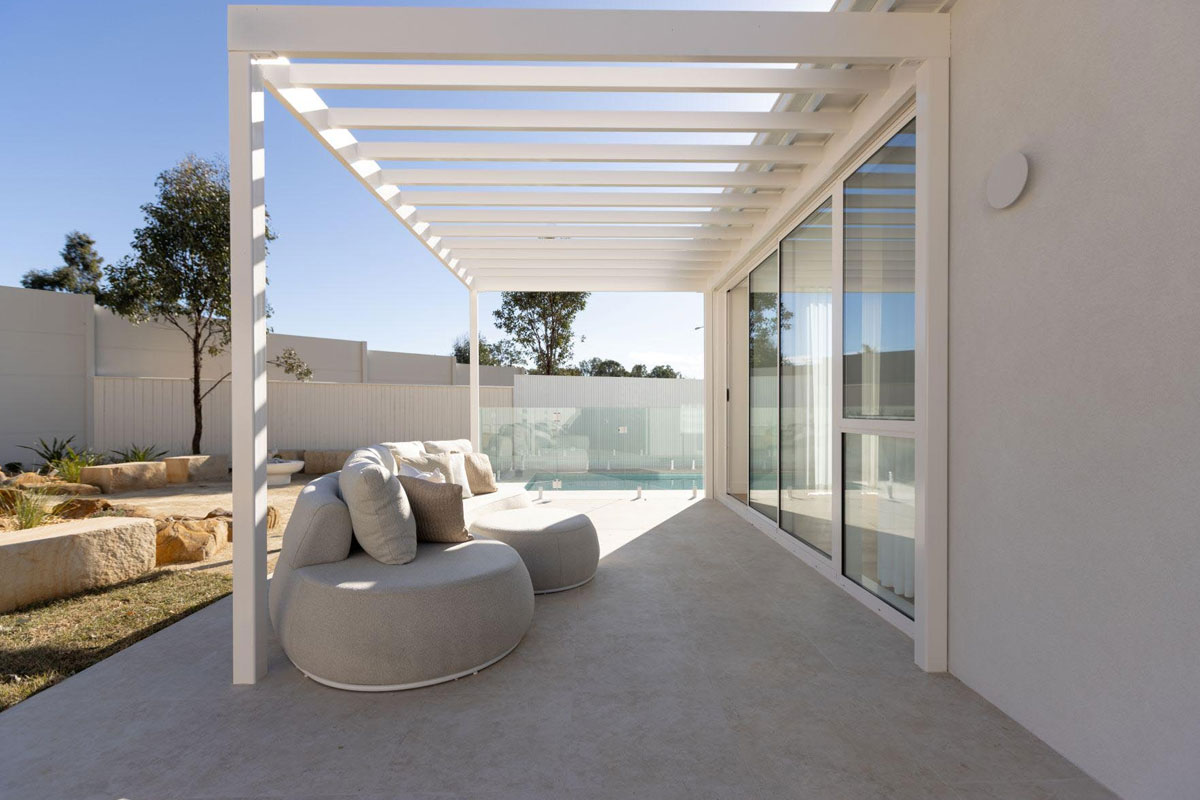
Correct material identification helps avoid unnecessary sealing
Why Is Grout Different From Porcelain?
Grout is a separate installation material with its own:
- Composition
- Porosity
- Stain resistance
- Cleaning requirements
- Manufacturer instructions
Different grout systems behave differently, so a blanket instruction to “seal all grout” is no more reliable than assuming all porcelain must be sealed.
Should Every Grout Joint Be Sealed?
Not necessarily.
The correct decision depends on the grout product used. Some grout systems may require additional protection, while others are formulated differently.
The installer should follow the grout manufacturer’s guidance rather than applying one rule to every installation.
Why Does Grout Matter More With Smaller Formats?
Smaller pieces create more joints.
Bottocino Softec™, for example, includes both larger field tiles and narrow strip formats. More grout lines mean grout maintenance becomes a larger part of the visible surface, even though the porcelain itself remains the same material.
Do Softec™ Tiles in Bathrooms Need Sealing?
Bathroom use does not automatically mean the porcelain tile itself needs a sealer. Wet-area performance depends on the complete installation system, including the tile, grout, waterproofing, drainage and movement joints.
Is Sealing the Same as Waterproofing?
No.
Tile sealing and waterproofing are different processes.
Waterproofing protects the substrate and wet-area construction system from water penetration. A tile or grout sealer is a surface or material treatment.
Applying sealer to a tile does not replace correct bathroom waterproofing.
What Should Be Checked in a Shower or Wet Area?
A proper specification should consider:
- Tile application
- Grout system
- Waterproofing
- Drainage
- Silicone and movement joints
- Slip requirements
- Cleaning method
Show Tile notes that installed slip performance can be influenced by factors including installation, wear and cleaning method, reinforcing the importance of treating the complete system rather than focusing on one surface property alone.
Does P3 Slip Resistance Mean Softec™ Needs Sealing?
No. P3 refers to wet slip performance; P3 does not indicate that the surface requires a sealer.
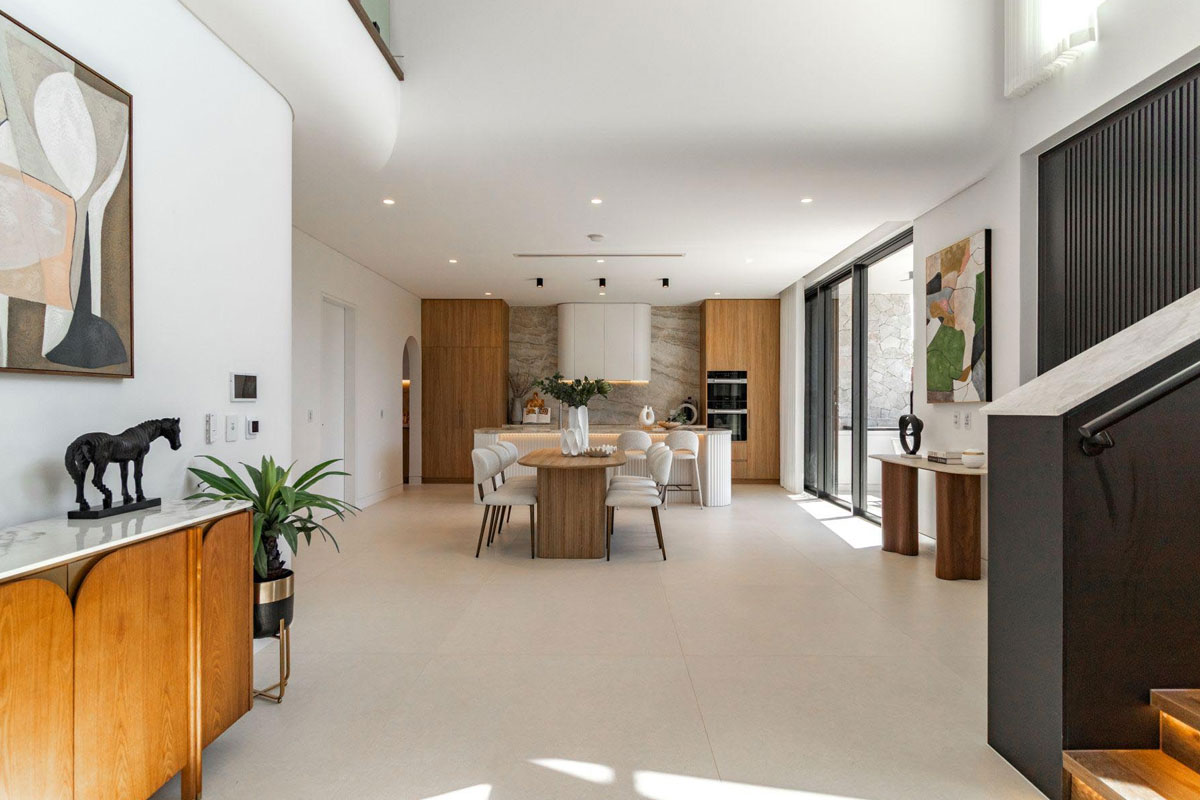
Grout and tile surfaces should be treated separately
Show Tile states that Softec™ provides P3 slip resistance when wet as part of the surface technology.
Can an Added Treatment Affect Surface Behaviour?
Any coating applied over a purpose-developed matt surface should be checked for compatibility.
A sealer or coating should not be selected solely for aesthetic reasons without considering how the treatment may interact with surface feel, maintenance or wet-use performance.
The most cautious approach is to preserve the original specified finish unless a project requirement creates a genuine need for an additional treatment.
How Does Softec™ Compare With Natural Stone for Sealing?
| Consideration | Softec™ Porcelain | Natural Stone |
| Base material | Porcelain | Geological stone |
| Appearance | Stone-inspired design | Natural geological variation |
| Surface technology | Softec™ soft matt finish | Stone-specific finish |
| Sealing approach | Do not automatically apply natural-stone sealing | Show Tile identifies sealing requirements on natural-stone products |
| Maintenance | Easy-clean surface technology | Material-specific care |
| Grout | Separate assessment | Separate assessment |
| Wet areas | Review full installation | Review stone, sealing and full installation |
Show Tile’s natural Crema Marfil product demonstrates the distinction clearly: the product is listed as Natural Stone and carries an explicit sealing requirement, while Crema Marfil Softec™ is listed as porcelain.
Does Travertino Softec™ Need Natural Travertine Sealer?
Travertino Softec™ should not automatically be maintained like genuine travertine because the Show Tile product is porcelain rather than natural travertine.
What Is Travertino Softec™?
Travertino Softec™ is listed by Show Tile as:
- Porcelain Tile
- Travertine-look design
- Wall and floor application
- Softec™ finish
- 600 × 600 format
The collection is available in Vein and Cross visual directions, with White and Beige options.
The travertine appearance influences the aesthetic; the porcelain body determines the material category.
Does Crema Marfil Softec™ Need Natural Stone Sealer?
Crema Marfil Softec™ should not automatically receive the same maintenance treatment as natural Crema Marfil stone.
What Is Crema Marfil Softec™ Made From?
Crema Marfil Softec™ is listed as porcelain.
Current formats include:
- 600 × 600
- 600 × 1200
- 3D Concave 600 × 1200
The product is available in Beige and White, with wall and floor applications listed across the collection.
By comparison, Show Tile’s natural Crema Marfil is an 18 mm natural-stone product with a honed finish and an explicit sealing requirement.
This comparison illustrates why product names alone should never determine maintenance.
Does Bottocino Softec™ Need Sealing?
Bottocino Softec™ should also be approached as porcelain rather than automatically treated like natural stone.
What Is Bottocino Softec™?
Bottocino Softec™ is listed as:
- Porcelain Tile
- Stone-look and mosaic design
- Wall and floor application
- 9 mm thickness
- Softec™ finish
Available formats include 600 × 600, 600 × 1200 and strip formats.
The larger formats place more visual emphasis on the tile surface, while strip formats create more grout joints. That makes grout specification particularly relevant in detailed feature areas.
When Should a Sealer Be Considered Around a Softec™ Installation?
A sealing product may still be relevant when another material within the installation requires protection.

Show Tile Softec™ combines refined design with practical maintenance
Possible examples include:
- Grout manufacturer recommends sealing
- Natural stone is installed beside Softec™ porcelain
- A specialist installation material requires treatment
- An installer or specifier identifies a project-specific requirement
What Should Be Confirmed Before Applying Any Sealer?
Use this checklist:
- Identify the exact material being treated
- Confirm whether the surface is porcelain, grout or natural stone
- Check manufacturer instructions
- Verify compatibility with the Softec™ finish
- Consider whether colour or sheen could change
- Test an inconspicuous area when appropriate
- Confirm project-specific requirements with the installer or Show Tile
The decision should always start with a defined need.
What Should You Avoid When Sealing Around Softec™?
Avoid assuming that every component of a tiled area can receive the same product.
Common mistakes include:
- Treating stone-look porcelain like genuine stone
- Applying gloss-enhancing coatings to a matt surface without checking compatibility
- Using one sealer across tile, grout and adjacent natural stone
- Applying treatment over dirty residue
- Ignoring product-specific instructions
- Confusing sealing with waterproofing
Show Tile also states that natural stone and encaustic tiles have specific care, cleaning, grouting and sealing requirements, reinforcing the need to identify materials correctly before treatment.
How Should Softec™ Be Maintained Without Routine Stone Sealing?
Routine care should focus on appropriate cleaning rather than automatically adding protective coatings.
What Does Everyday Maintenance Involve?
A simple approach includes:
- Removing dust and loose grit
- Cleaning with warm water
- Using a suitable pH-neutral cleaner
- Using microfiber or another soft tool
- Removing cleaner residue where required
- Avoiding aggressive abrasive tools
For a step-by-step maintenance routine, the guide on how to clean Softec tiles explains cleaning methods for living areas, bathrooms, grout and everyday spills.
Why Is Routine Cleaning More Relevant Than Unnecessary Coating?
Softec™ is specifically designed around easy-clean performance alongside soft-touch character and P3 wet slip resistance.
Maintaining the original surface correctly is therefore more aligned with the technology than adding an unverified layer over the finish.
What Is the Simplest Softec™ Sealing Checklist?
For homeowners, designers and builders:
- Confirm that the product is Softec™ porcelain
- Do not assume a stone look means natural-stone sealing
- Assess grout separately
- Keep waterproofing separate from sealing decisions
- Check adjacent natural stone independently
- Avoid unverified coatings
- Follow grout manufacturer instructions
- Maintain the surface with appropriate cleaning
- Test approved treatments before broad application
- Confirm unusual treatments with Show Tile
This checklist keeps the decision tied to actual materials rather than visual resemblance.
Protect the Softec™ Surface by Treating Each Material Correctly
A premium tiled installation performs best when porcelain, grout, natural stone and waterproofing are treated as separate components with separate requirements. Show Tile develops Softec™ around a porcelain surface system that combines tactile character, easy-clean performance and P3 wet slip resistance.
The dedicated Softec™ range allows homeowners, architects, designers and builders to review the current surface technology and collections before specifying maintenance treatments.
The most reliable approach is straightforward: identify the material first, avoid automatically applying natural-stone sealing practices to stone-look porcelain, and confirm any additional treatment against the actual tile, grout and installation system.
Contact Showtile
📍 Showroom: 65 Canterbury Road, Bankstown NSW 2200, Australia
📞 Phone: +61 2 9709 5836
✉️ Email: sales@showtile.com.au
🌐 Website: https://showtile.com.au/



