Wall Tiles: Vertical Surfaces, Refined Architectural Detail
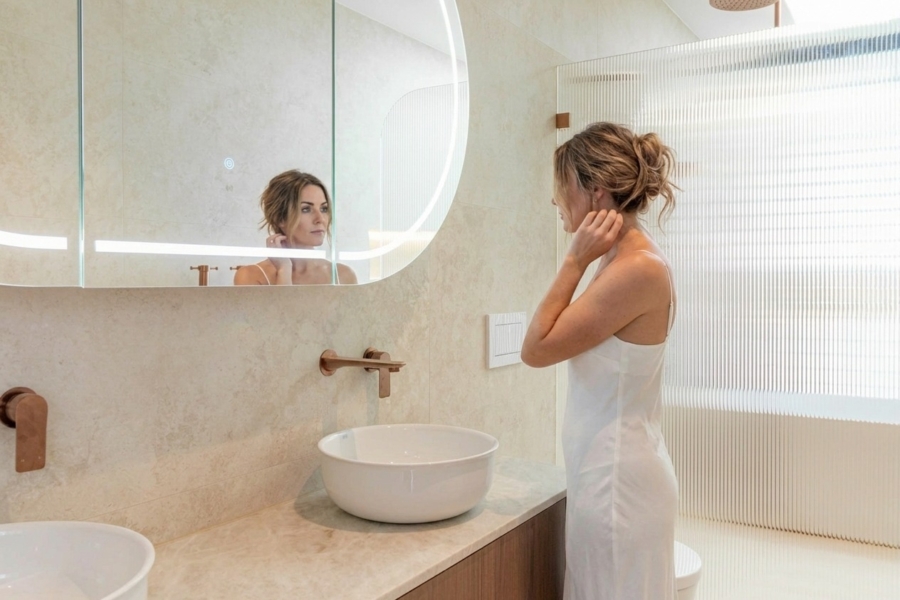
Wall tiles shape the vertical language of an interior. They define how light moves across a room, how materials meet, and how architectural surfaces gain depth without excess. In refined spaces, wall tiles are not simply protective finishes. They create rhythm, tactility, and proportion. Used with restraint, they can frame a vanity, soften a kitchen splashback, add depth to a fireplace surround, or turn a quiet wall into a sculptural surface. At Showtile, ceramic wall tiles are curated for their ability to support architectural intent. Each surface is selected for tone, finish, scale, and how it sits beside stone, timber, metal, and joinery.
Vertical composition and spatial rhythm
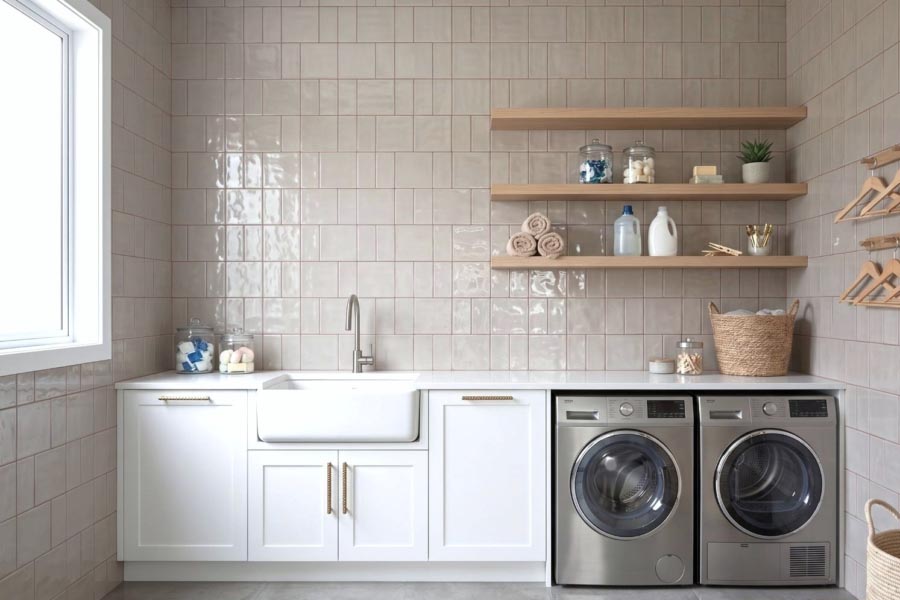
Wall tiles bring structure to vertical planes. Their format and layout influence how the eye moves through a room. Gloss finishes can reflect light into darker kitchen zones, while matt or satin finishes create a quieter architectural mood. Layout also matters. Stacked tiles create order and precision, while offset or vertical formats can shift the perceived height and width of a wall. Larger wall tiles create broader planes with fewer grout interruptions. Smaller formats introduce finer rhythm where close detail matters. The layout should respond to the architecture, not overpower it.
Layering wall tiles within the interior
Wall tiles perform best when they form part of a broader material palette. In living areas, they can add sculptural detail around fireplaces or shelving.
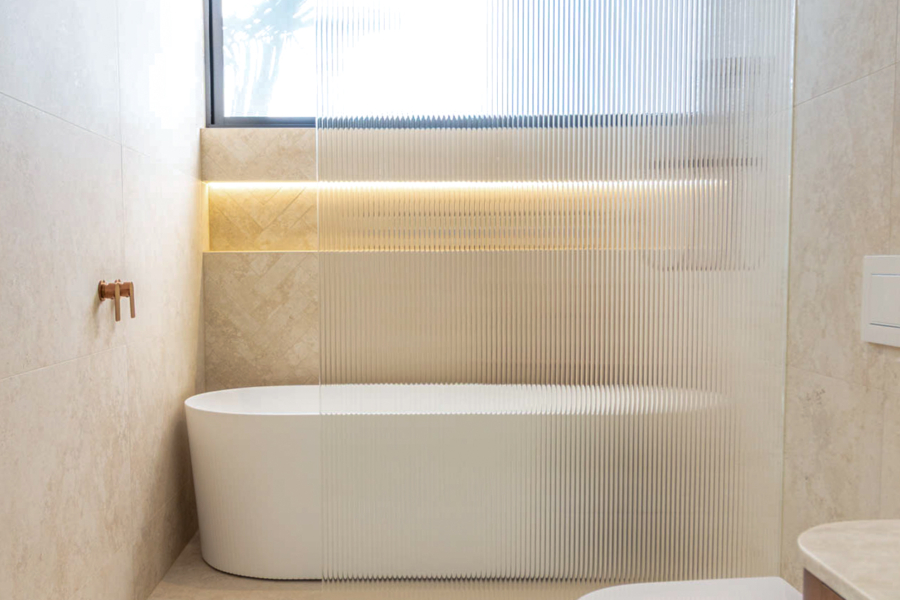
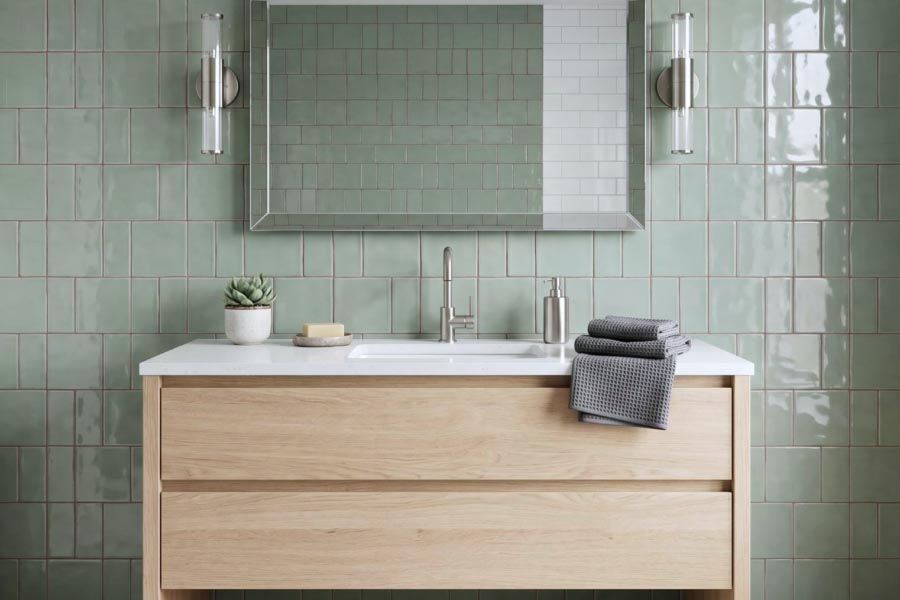
In bathrooms, they can be aligned with the floor tiles to create a continuous envelope. Wall tiles can create a sense of enclosure and calm. Full-height bathroom wall tiles in a soft matt finish allow the room to feel cohesive, while a textured feature plane can introduce depth behind a vanity, bath, or shower wall.
In kitchens, they can integrate joinery, stone benchtops, and lighting into a cohesive composition. Wall tiles often serve as a bridge between the benchtop and the cabinetry. A restrained splashback tile can soften harder materials and provide a surface that feels integrated rather than applied.
The key is restraint. Wall tiles should add material depth without competing with the architecture. Grout colour, edge detail, and layout alignment all affect the final result.
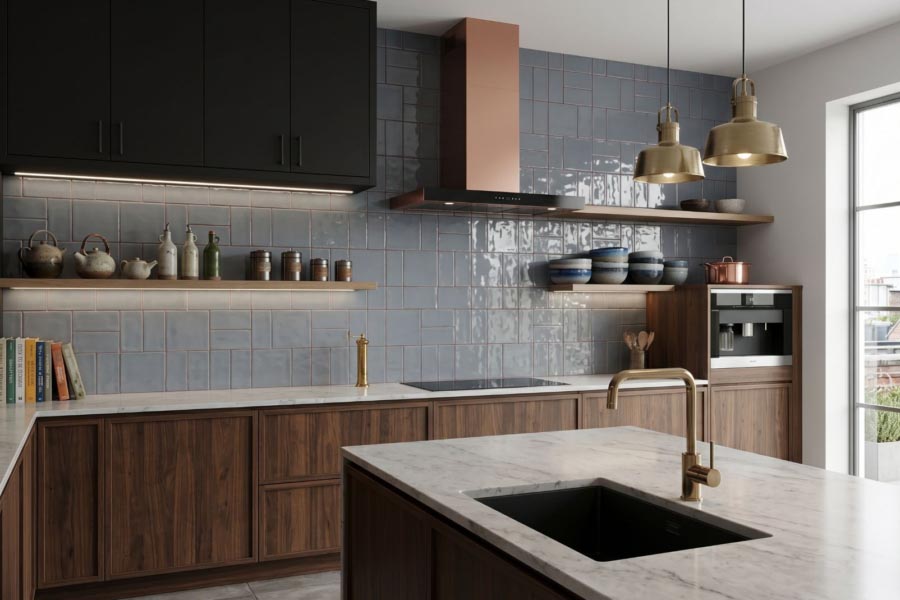
In kitchens, they can integrate joinery, stone benchtops, and lighting into a cohesive composition. Wall tiles often serve as a bridge between the benchtop and the cabinetry. A restrained splashback tile can soften harder materials and provide a surface that feels integrated rather than applied.
The key is restraint. Wall tiles should add material depth without competing with the architecture. Grout colour, edge detail, and layout alignment all affect the final result.
Wall Tiles: Material, finish and surface depth
The finish shapes the character of wall tiles. A glazed ceramic wall tile can create soft reflection and tonal depth. Matt porcelain offers restraint and consistency. Textured tiles add tactility through shadow rather than pattern. Subtle tonal variation can prevent large wall surfaces from feeling flat. White wall tiles bring clarity and light. Green wall tiles can introduce organic depth. Black or charcoal wall tiles provide grounding when used with control.
Scale should respond to the architecture. Smaller formats suit areas where close detail matters, such as niches, splashbacks, and powder rooms. Larger wall tiles create broader planes with fewer grout interruptions, supporting continuity across bathrooms, living areas, and feature walls. At Showtile, our collection includes ceramic, porcelain, textured, gloss, matt, and feature wall tiles selected for refined interior applications.
Why designers specify Showtile wall tiles
Designers choose Showtile wall tiles for finish quality, tonal control, and architectural clarity. Our decorative wall tiles bring luxury through proportion, material presence, and quiet detail. Each surface is considered in terms of how it performs under light and how it supports surrounding materials. Architectural samples are available to assist with tone, finish, and layout decisions before specification. To explore our collection or request architectural samples, contact the Showtile team at Email: sales@showtile.com.au, phone: 02 9709 5836