




Business Hours
Mon - Fri
8:00 am to 5:00 pm
Sat
9:00 am to 3:00 pm
Sun
Closed
About Us


Working on a Project?

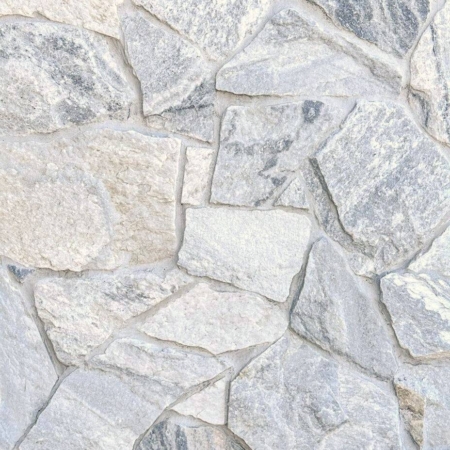
Cloudy Grey Body
Cloudy Grey Body
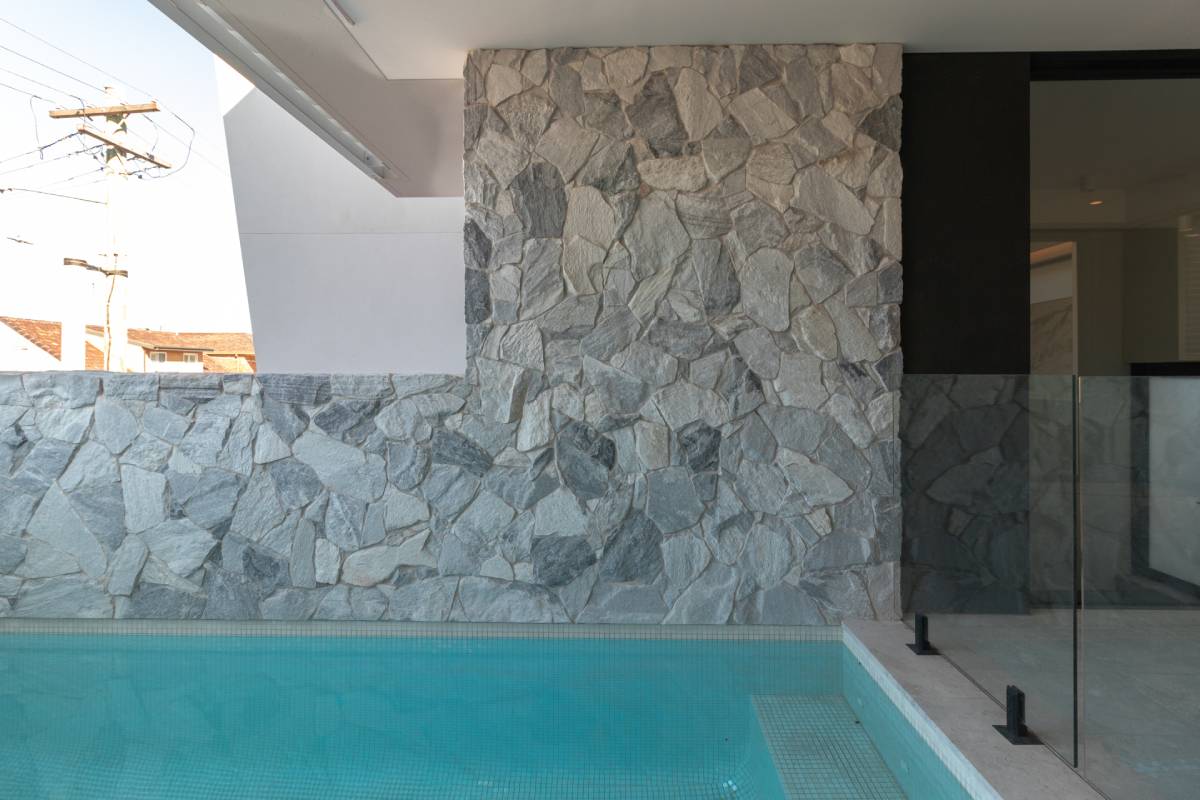
Cloudy Grey Body
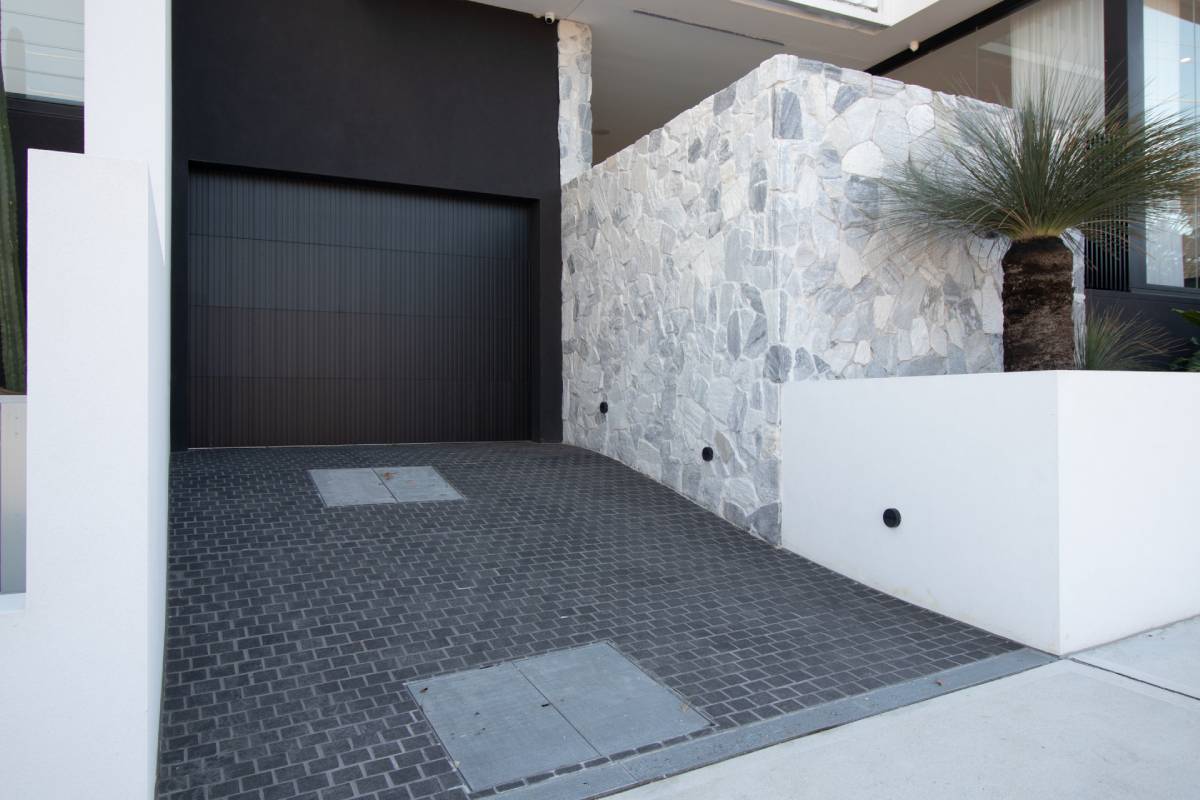
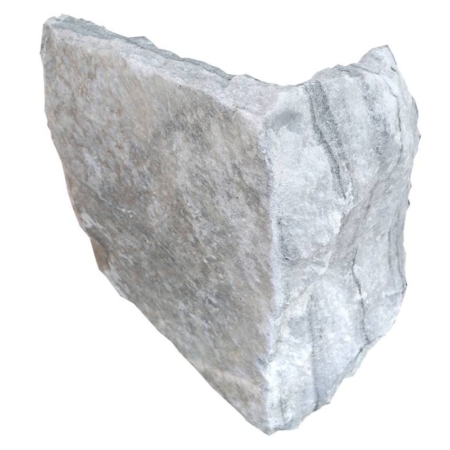
Cloudy Grey Corner
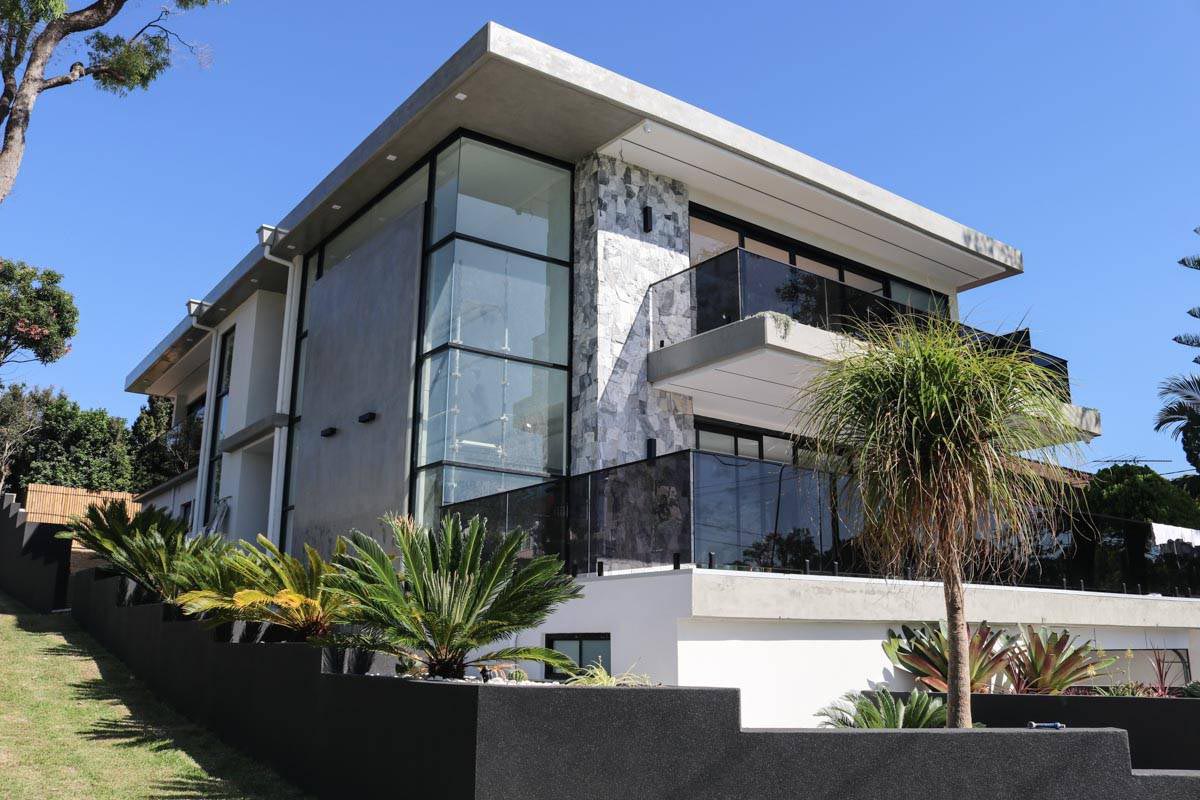
Cloudy Grey Corner
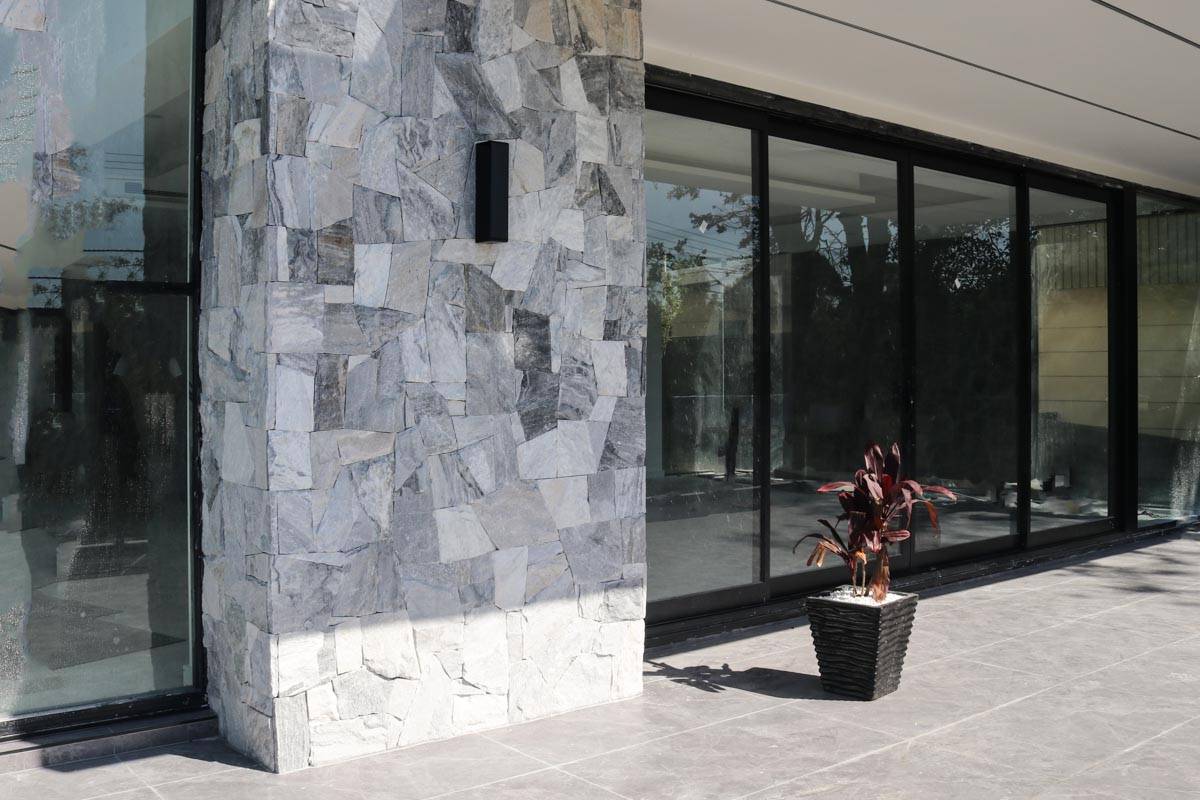
Cloudy Grey Corner
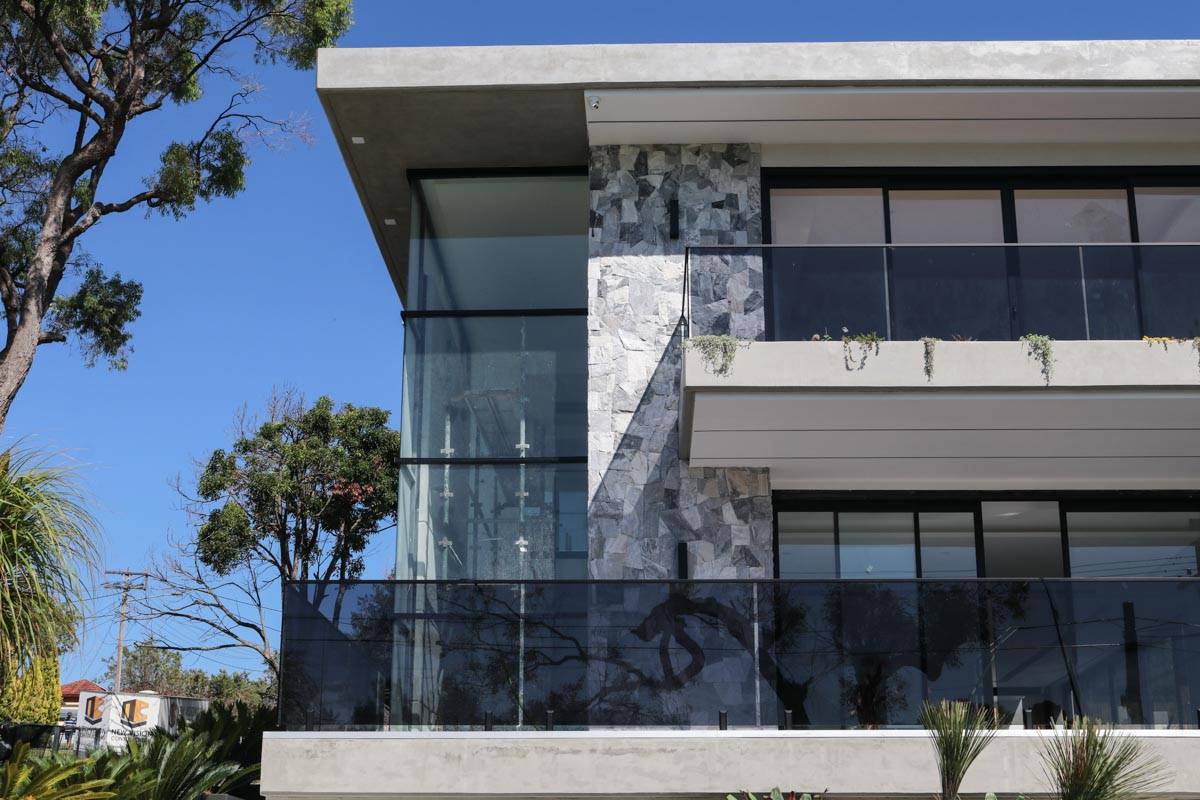
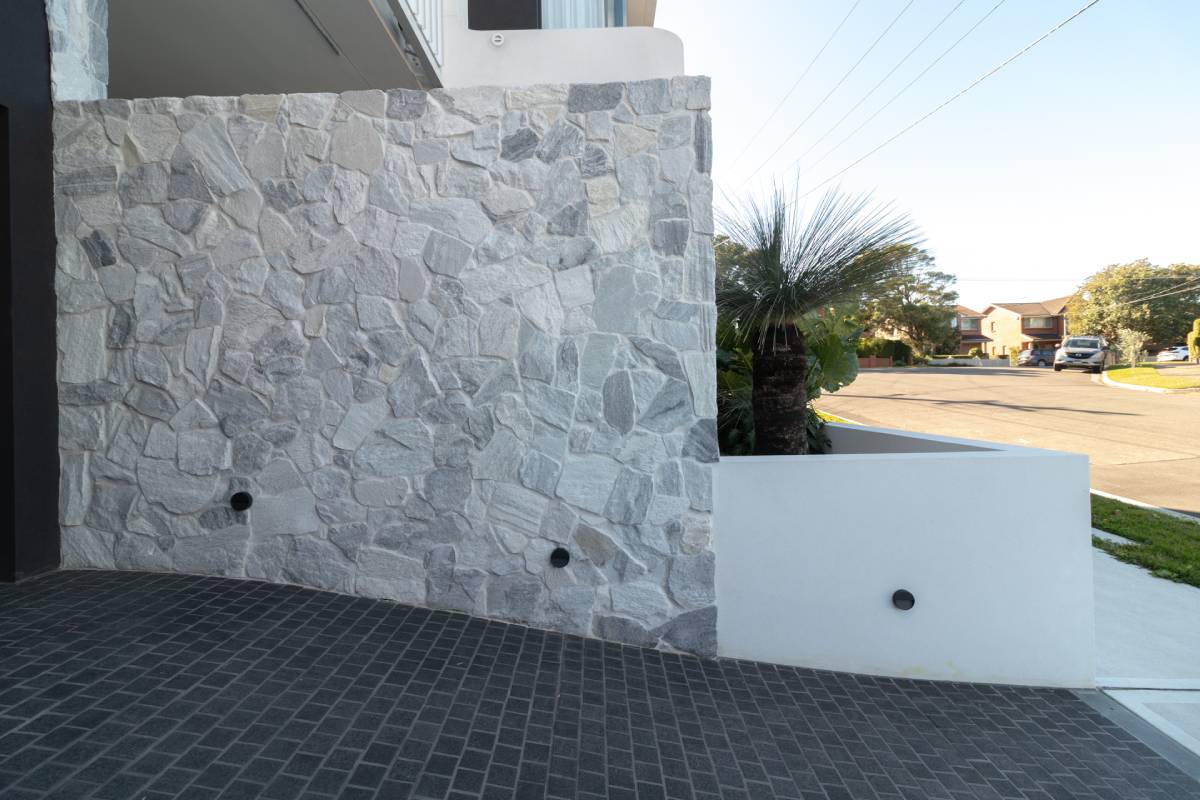
Experience the authentic beauty of natural stone. The Cloudy Grey Wall Cladding collection brings the raw, organic beauty of nature indoors, with its subtle grey tones and unique textural depth. This premium loose stone cladding offers a distinctly high-end aesthetic, perfect for creating luxurious feature walls or impactful exterior facades. Transform any space with the timeless elegance and exceptional durability of natural stone cladding, making a sophisticated statement in your Australian design project.
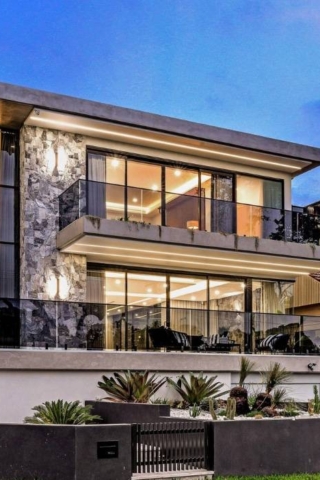 residential
The Centaur Project is inspired by Mid-Century Revival, but with a contemporary Australian twist. The design vibe is warm and geometric,...
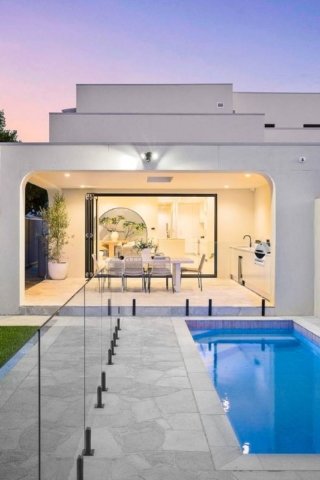 residential
This project features a bold yet refined selection of finishes, where deep tonal contrasts add architectural depth to the wet areas. The...
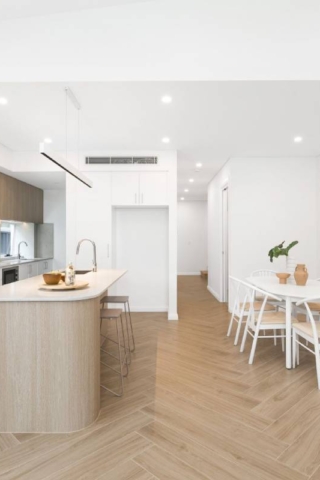 residential
This project achieves a warm, contemporary edge by utilising premium timber-look tiles to ground the indoor living spaces, creating a...
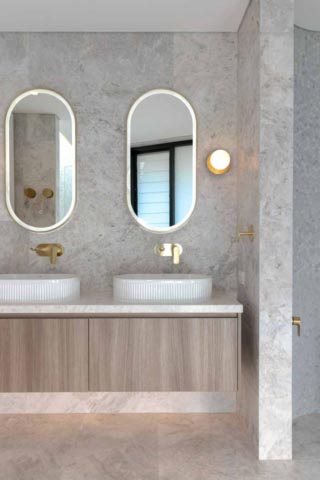 residential
The Russell Lea Project celebrates a clean, modernist aesthetic with a focus on tonal consistency and sleek surfaces. A palette of...
Natural stone tiles require careful installation to ensure durability and long-term performance. Applying a suitable sealer during installation helps protect the stone and maintain its appearance over time. Problems often arise from unsuitable substrates, poor site conditions, unlicensed tilers, or incompatible materials. All installations must comply with the Australian Building Code and relevant industry standards.
Each piece of stone is created under different natural conditions, which results in significant variation in colour, veining, texture and pattern. This high level of variation is a defining feature of natural stone, reflects the stone’s authentic, organic character, rather than a controlled or repeated design.
Loose stones vary in size from piece to piece and are packed in layers within a crate, with each layer covering ~1m². Because of this variation, we recommend allowing an additional 20–30% for wastage during installation.
Mon - Fri
8:00 am to 5:00 pm
Sat
9:00 am to 3:00 pm
Sun
Closed
Working on a Project?