Stone Look Tiles vs Natural Stone: What Designers Prefer
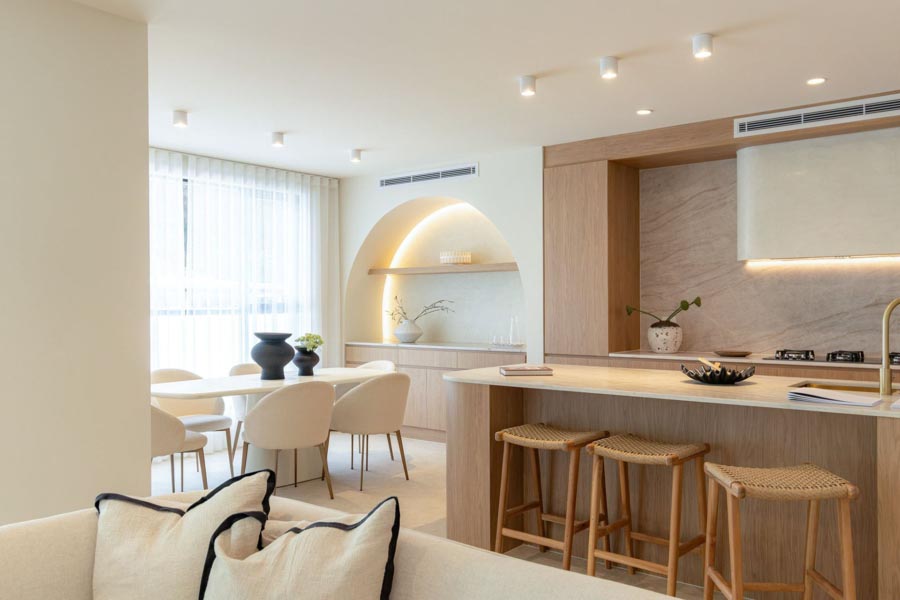
Stone has always held a central place in premium interiors. Its weight, variation, and mineral depth bring a sense of permanence to a room. Yet today, designers are increasingly comparing stone-look tiles vs natural stone with greater precision. The question is rarely about which material is better. It is about which surface best supports the architecture, the client, and the way the space will be used. Natural stone carries material authenticity. Stone-look porcelain offers control, consistency, and performance. Both can create a premium look and finish when specified with restraint. The decision depends on scale, maintenance, lighting, and the extent of variation the design can accommodate. At Showtile, both categories are considered through an architectural lens. The aim is to help designers select surfaces that feel resolved, durable, and aligned with the broader material palette.
The appeal of natural stone
Natural stone offers depth, variation, and a tactile connection to the earth. Marble, limestone, travertine, slate, and sandstone each bring a distinct visual character. No two pieces are identical. Veining, mineral deposits, and tonal shifts create surfaces that feel alive within the space. Designers often choose natural stone when the material itself is intended to carry presence. A honed limestone floor can soften a minimal interior. A richly veined marble wall can create a sculptural focal point.
Travertine can introduce warmth and movement without relying on applied pattern. The appeal lies in honesty. Natural stone reflects geological processes and time. It ages, develops patina, and responds to its setting. For clients who value material uniqueness, this remains difficult to replicate. But that variation requires control. Natural stone must be selected carefully, especially across large areas where inconsistent tone or veining can disrupt spatial flow.
The appeal of stone-look tiles
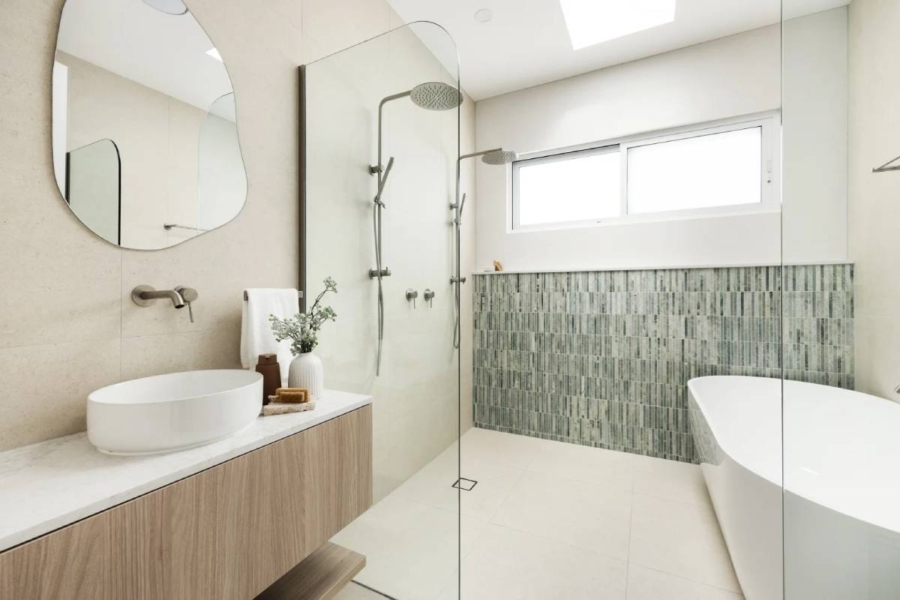
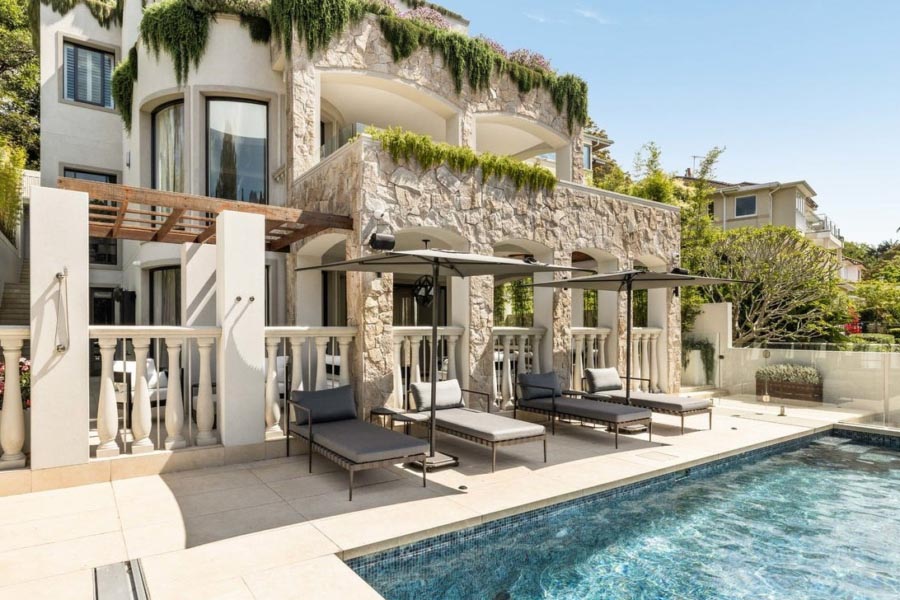
Stone-look tiles offer the visual language of stone with greater consistency and greater practical control. Most stone-look tiles are made of porcelain, giving them density, low porosity, and strong resistance to moisture and wear. This makes them especially useful in bathrooms, kitchens, living areas, and outdoor applications where natural stone may require more care.
Designers choose stone-look porcelain when they want tonal variation without unpredictability. The surface can echo marble, limestone, travertine, or concrete while maintaining batch consistency across floors and walls. This control is valuable in contemporary interiors.
Large-format stone-look tiles can extend through open-plan spaces with fewer grout lines, supporting continuity and architectural clarity. In wet zones, they offer a premium finish without the same sealing demands as natural stone.The best stone-look tiles do not try to imitate stone too loudly. They succeed when the veining is balanced, the tone is restrained, and the finish feels natural under light.
Performance and maintenance
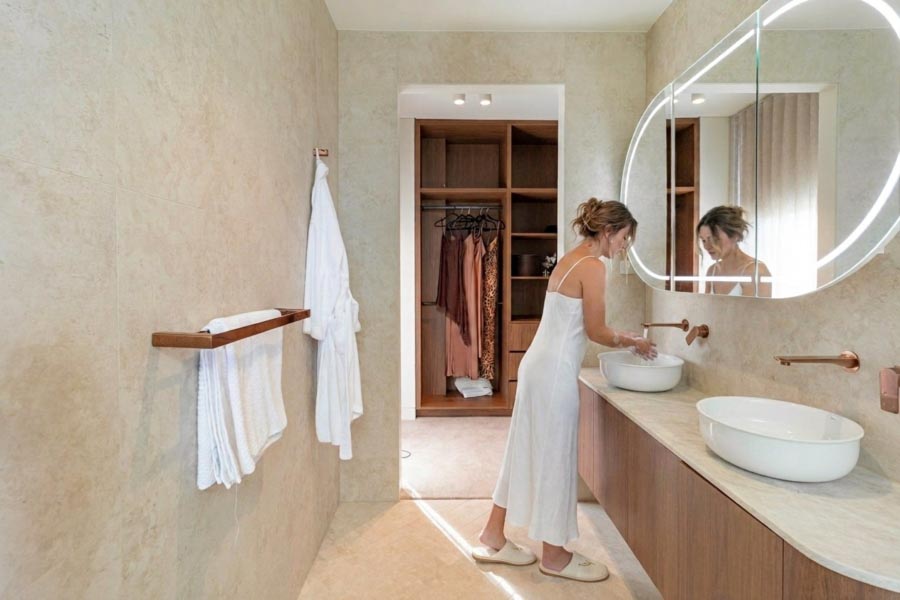
Natural stone needs more care. Stone-look porcelain is more forgiving. Maintenance is one of the clearest differences between the two materials. Natural stone is porous to varying degrees, depending on the type. All natural stones including limestone and travertine generally need sealing. Marble can stain or etch when exposed to acidic products. Slate may require specific cleaning to preserve surface integrity. For some projects, that care is acceptable.
In heritage homes, private residences, and spaces where patina is part of the design intent, natural stone can age with character. Stone-look porcelain suits projects where durability and low maintenance are priorities. It resists moisture, staining, and everyday wear more consistently. This makes it attractive for family homes, hospitality settings, high-use bathrooms, and kitchens. The decision comes down to tolerance for change. Natural stone evolves. Stone-look porcelain remains more stable.
Finish, light, and surface character
Finish determines how both materials behave under light. Natural stone offers a range of finishes, including honed, brushed, tumbled, and polished. Honed stone creates softness and restraint. Brushed or tumbled finishes introduce tactility. Polished marble provides a stronger reflection and a more formal presence.
Stone-look tiles are also available in matt, honed, textured, and polished finishes. The difference is consistency. Designers can specify a finish knowing it will behave more predictably across larger runs.
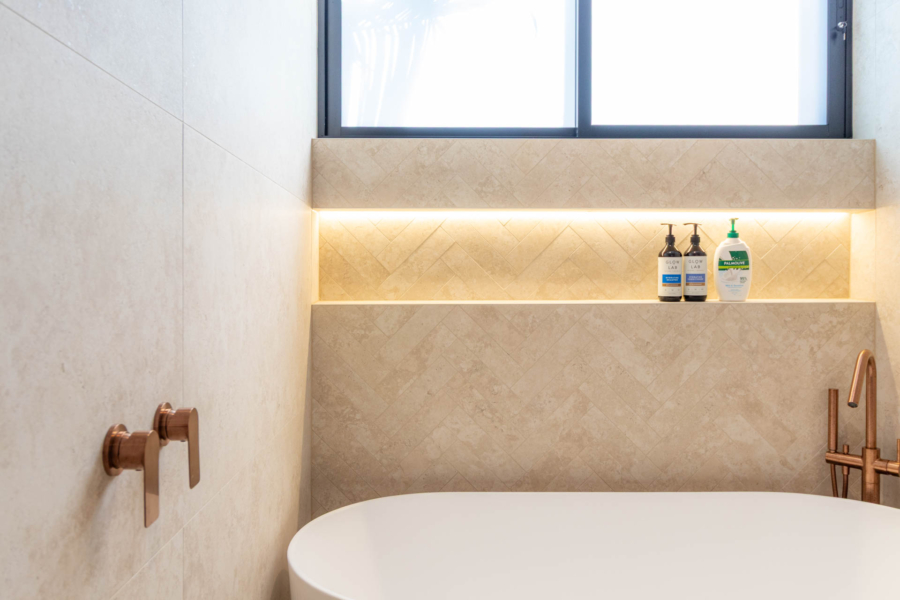
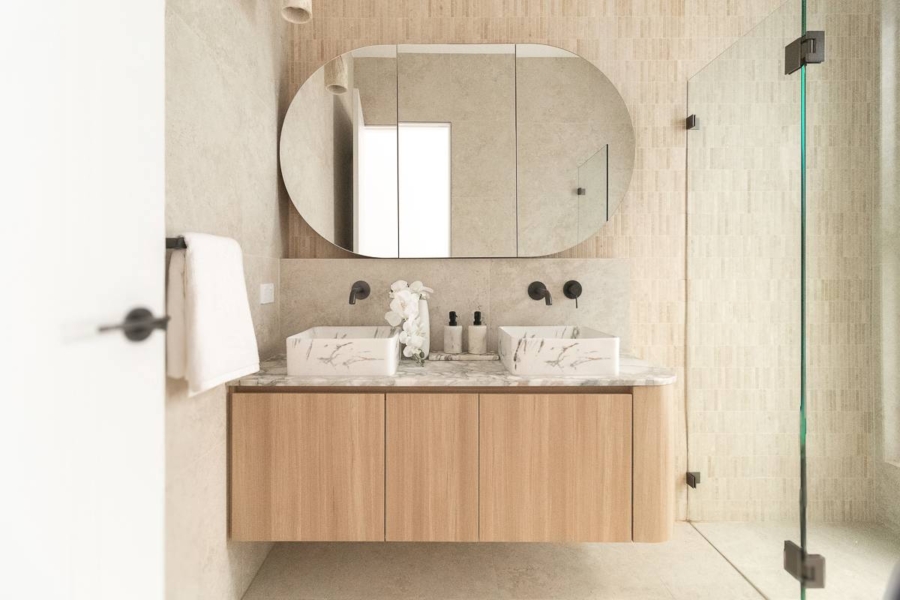
Light is critical. In a bathroom, a honed stone-look tile can soften glare and support a calm, spa-like mood. In a living room, a natural stone floor may add more variation and depth as daylight changes. Texture should be considered alongside tone. A surface that looks refined in isolation may feel too busy once paired with timber, metal, joinery, and soft furnishings. Both natural stone and stone-look tiles perform best when their finish supports the wider composition.
Where designers prefer natural stone
Natural stone is preferred when uniqueness and material authenticity are central to the design. In feature walls, fireplaces, powder rooms, and sculptural bathrooms, natural stone can create a strong architectural moment. Its veining and tonal shifts give each installation a distinct identity.
Designers also choose natural stone where tactile depth matters. A hand-selected slab, a brushed limestone wall, or a travertine floor can bring richness that feels rooted in material truth.
Natural stone is particularly effective in spaces where the surface is the focus. A fireplace surround, wine room, entry wall, or freestanding bath backdrop can benefit from stone’s individuality. The key is restraint. Natural stone needs breathing space. It should be balanced with quieter materials so its variation feels intentional rather than overwhelming.
Where designers prefer stone-look tiles
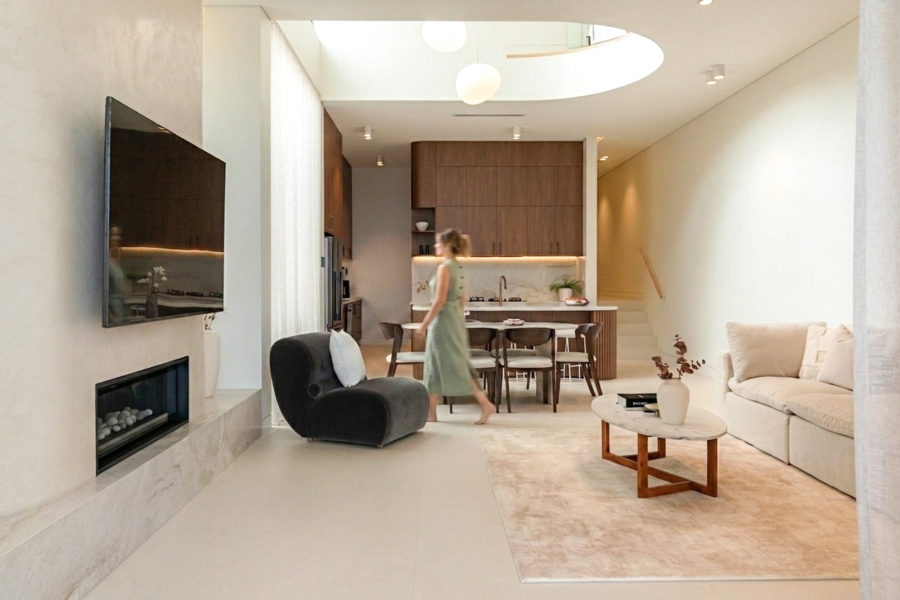
Stone-look tiles are preferred when continuity, durability, and control are essential. In large open-plan homes, stone-look porcelain allows designers to carry a single surface across living areas, kitchens, hallways, and wet zones. This strengthens spatial flow and reduces visual interruption.
In bathrooms, stone-look tiles can wrap floors and walls with minimal maintenance concerns. Large format porcelain slabs create a clean, monolithic effect while maintaining practical performance. In kitchens, stone-look floor tiles provide stability underfoot and pair well with natural stone benchtops, timber joinery, or brushed metal details.
Outdoors, selected stone-look porcelain can extend the interior palette into alfresco or poolside areas when the correct finish is specified. For projects requiring consistency across multiple rooms, explore our curated range of stone-look tiles to compare finishes, tones, and formats.
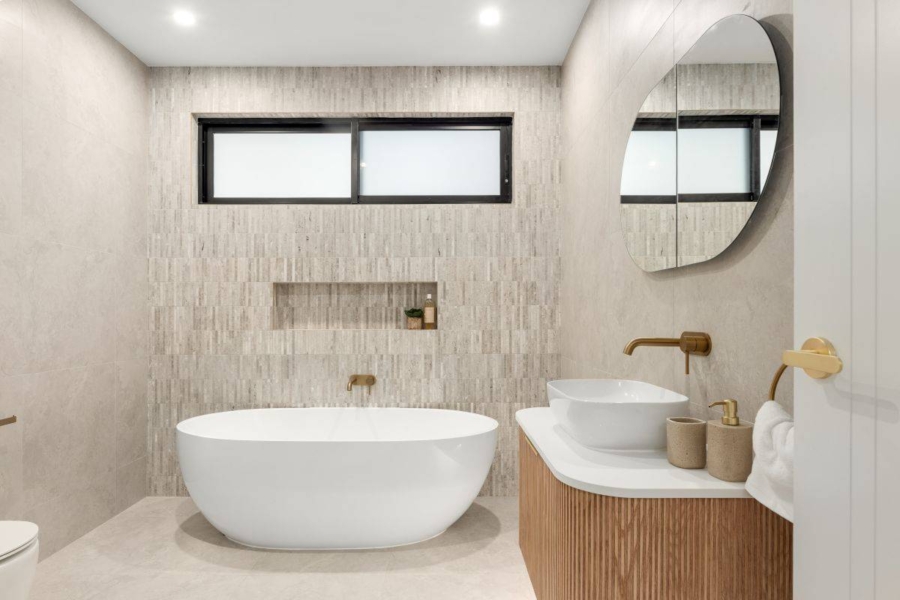
Styling both materials with restraint
The most refined interiors use stone surfaces as part of a wider material strategy. Natural stone pairs well with quiet companions. Soft plaster, timber, linen, and brushed metal allow the stone to remain the focal material. Strong competing surfaces can dilute its impact.
Stone-look tiles often work best when used as a foundation. They can support joinery, furniture, and architectural lighting without drawing too much attention. Subtle veining and tonal variation give the surface depth while preserving calm.
Grout selection matters with both materials. Tonal grout helps maintain continuity. Strong contrast can make the surface feel more graphic, which may not suit a premium interior. Scale also shapes the final result. Large-format tiles reduce visual interruptions and support a more architectural finish. Smaller formats can work well in niches, powder rooms, or feature zones where detail is viewed up close..
What designers prefer in 2026-2027?
Designers prefer the material that best serves the project. Natural stone is chosen for authenticity, depth, and singularity. Stone-look tiles are chosen for their control, durability, and continuity. Both can feel luxurious when specified with architectural intent. The mistake is treating one as a substitute for the other. They serve different roles. Natural stone brings individuality. Stone-look porcelain brings consistency. In many premium builds, both may appear within the same broader palette, each used where it performs best.
At Showtile, our curated collections support this kind of considered specification. We assist designers with samples, finish comparisons, and material guidance so each surface works within the architecture, not apart from it. To explore our collection or request architectural samples, contact the Showtile team at sales@showtile.com.au or call (02) 9709 5836.