A Complete Guide to Modern Rustic Luxury Interiors
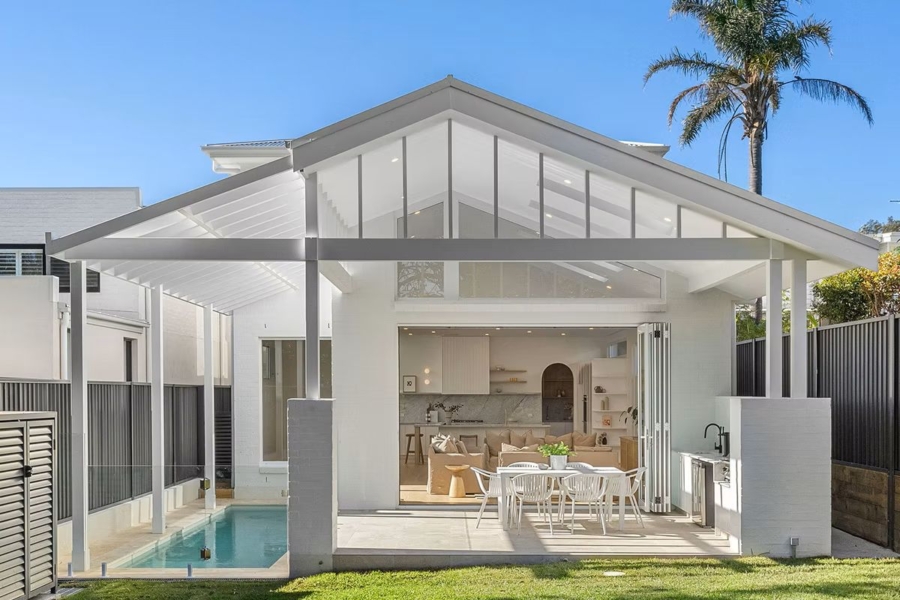
Modern rustic luxury interiors are defined by balance. Raw materials are refined through proportion and restraint. Texture is present but controlled. The result is a space that feels grounded, calm, and resolved rather than styled. At the centre of this approach is material selection. Tiles play a critical role in shaping how the interior reads. They anchor the palette, soften transitions between surfaces, and introduce tactility without excess. In modern rustic interiors, the right tile does not dominate. It supports the architecture and allows other elements to sit in quiet alignment. At Showtile, this style is approached through curated materials that reflect natural tone, subtle variation, and long-term relevance. Our goal is not to recreate a traditional rustic space, but to interpret it through a contemporary architectural lens.
What defines modern rustic luxury interiors
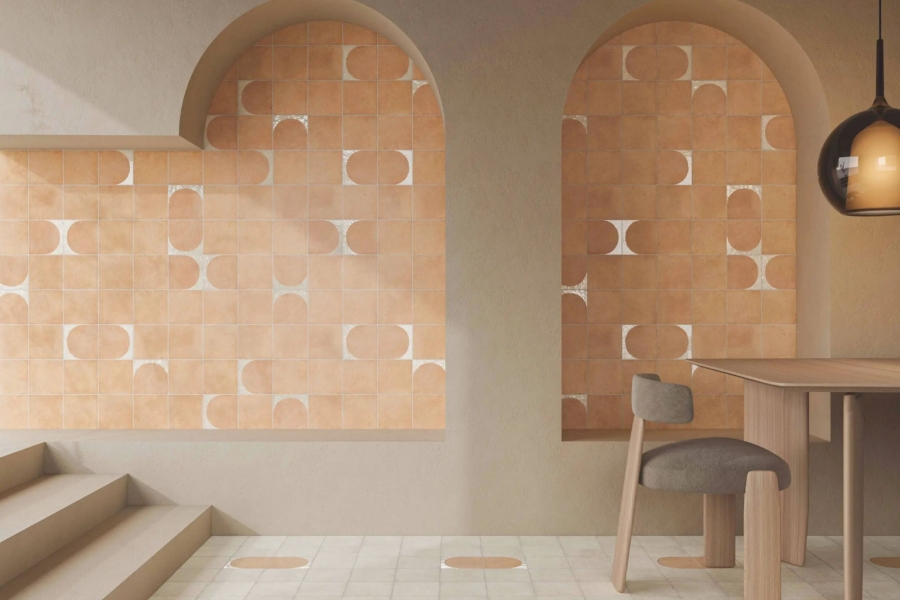
Modern rustic luxury interiors rely on materials that feel honest and grounded. Timber, stone, metal, and plaster surfaces are used together in a restrained way. Colour is drawn from nature. Warm neutrals, soft greys, muted browns, and chalky whites create a cohesive base. Tiles contribute to this foundation by introducing surface continuity and subtle depth. Porcelain, honed finishes, and lightly textured surfaces allow for variation without visual noise.
This supports a calm environment where the architecture remains clear. The appeal lies in the measured contrast. Rough and smooth surfaces sit together. Light and shadow create depth. Each material plays a role without competing for attention.
Tile types that suit modern rustic interiors
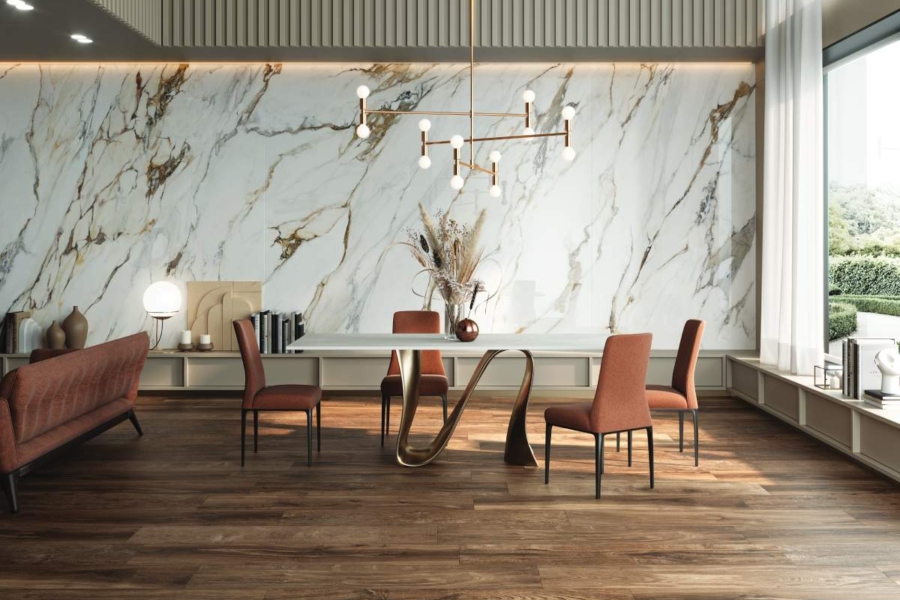
Stone look tiles are one of the most widely specified materials suited for modern rustic interiors. It captures the tonal variation of natural stone while offering durability and low maintenance, making it suitable across living areas, bathrooms, and transitional spaces.
Matt tiles are also preferred over reflective finishes. They absorb light and reduce glare, which enhances the softness of the overall palette. Honed surfaces offer similar qualities, with slightly more tactility.
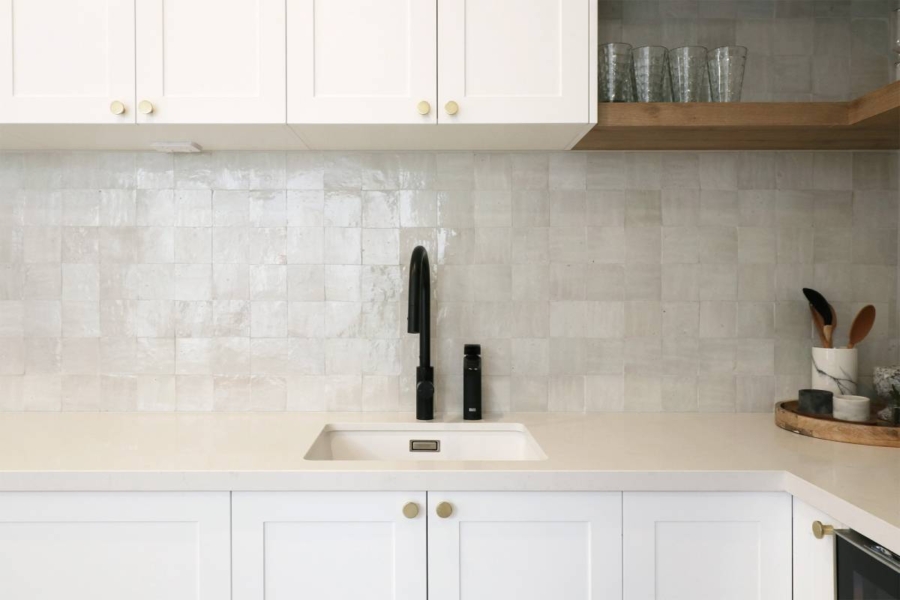
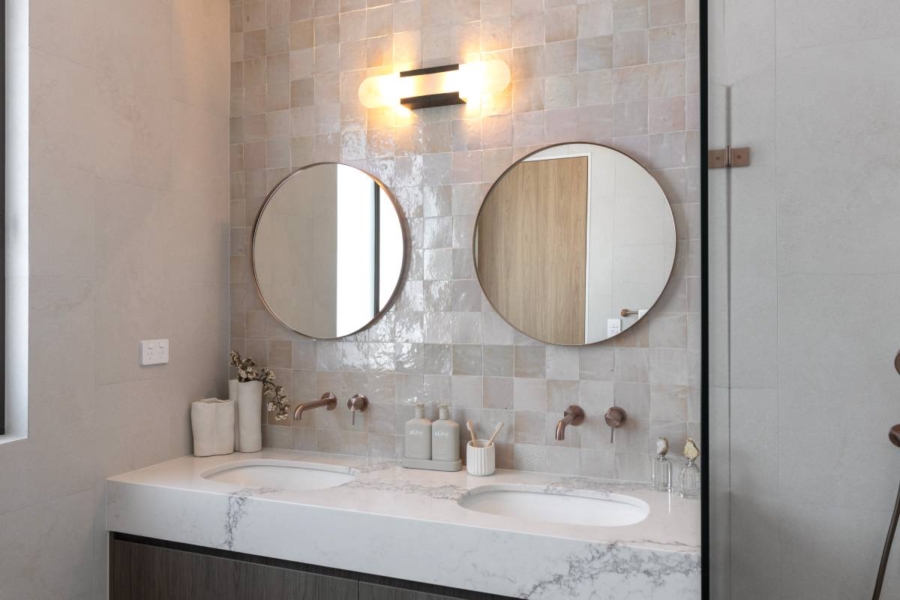
Handmade or artisanal tiles can be introduced in smaller areas to create contrast. Their irregular edges and tonal shifts bring a sense of authenticity. Used sparingly, they add depth without disrupting continuity.
Large-format tiles also play a role. They reduce grout lines and create broader, uninterrupted surfaces. This supports the architectural clarity that defines modern rustic interiors.
How tiles are used across different spaces
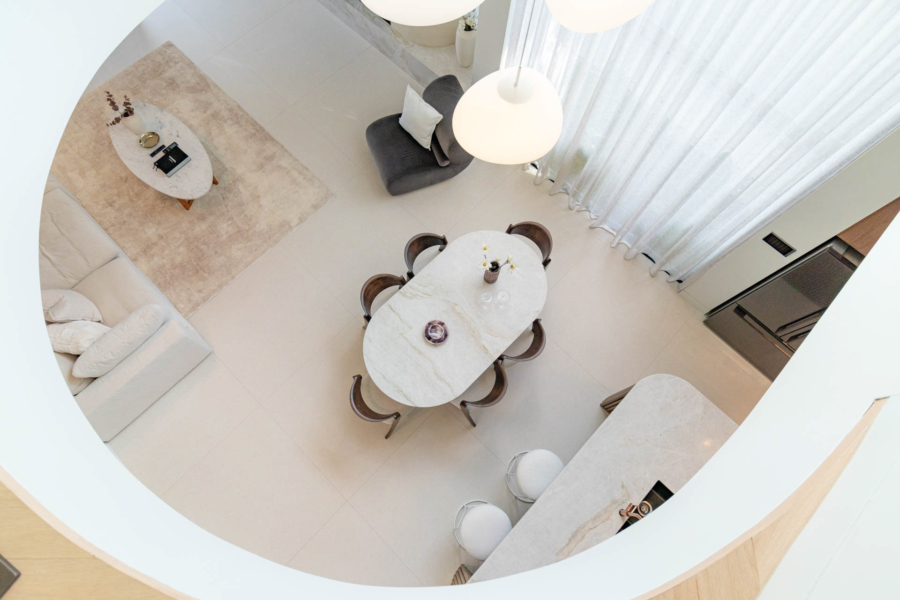
In living areas, tiles often form the base layer of the interior; the floor should feel quiet, not dominant. A stone look floor tiles in a warm neutral tone can anchor the space while allowing timber furniture and soft textiles to add warmth.
Bathrooms benefit from continuity. Extending the same tile across floor and wall surfaces creates a sense of enclosure and calm. While a honed finish softens light and enhances the spa-like quality often associated with modern rustic design.
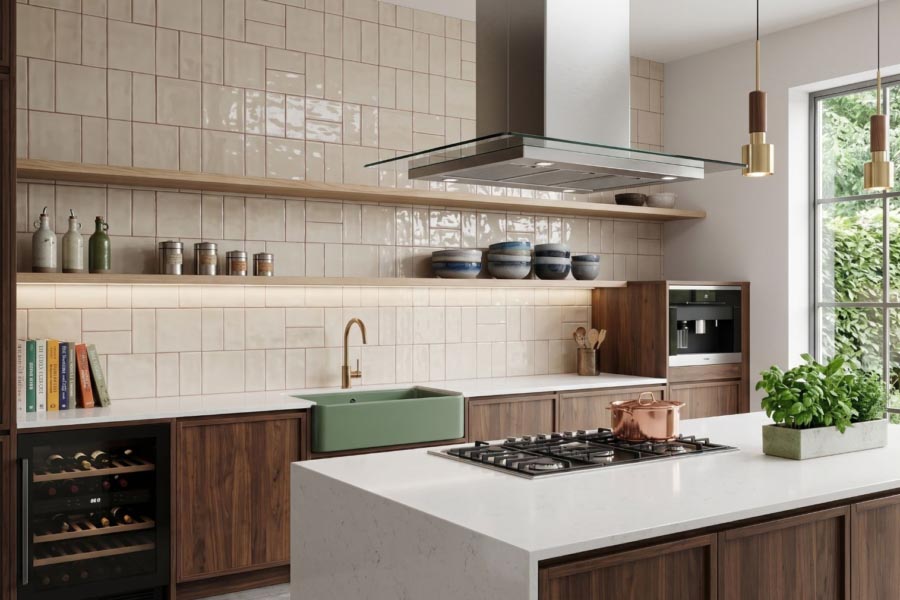
In kitchens, tiles are used to balance heavier elements such as stone benchtops and timber joinery. A muted splashback tile with subtle variation can introduce texture without breaking the palette. The aim is cohesion rather than contrast. Transitional zones, such as hallways or entryways, are an opportunity to reinforce material consistency. Using the same tile across these areas strengthens spatial flow and reduces visual fragmentation.
Fireplaces can also act as focal points within this style. Cladding a fireplace in a stone look porcelain tile with soft tonal movement introduces sculptural presence while remaining aligned with the overall palette.
Material layering and spatial flow
Continuity. Soft transitions. Defined zones.
Modern rustic interiors depend on how materials interact. A consistent colour family across tiles and adjoining materials creates flow. Transitions between materials should be clean and deliberate. Edges must align. Tiles must sit comfortably alongside timber flooring, rendered walls, and natural fabrics. This requires careful attention to tone and finish.
While slight shifts in tone can define zones without introducing hard boundaries. Changes in level should feel considered rather than abrupt. These details contribute to a composed interior. For example, a slightly deeper floor tile in a kitchen can ground the space while still relating to adjacent living areas. Grout selection is equally important. Matching grout to tile colour reduces visual interruption and supports continuity. In larger spaces, this approach allows the floor or wall to read as a single surface.
Lighting and texture in modern rustic spaces
Soft light. Gentle shadow. Material depth.
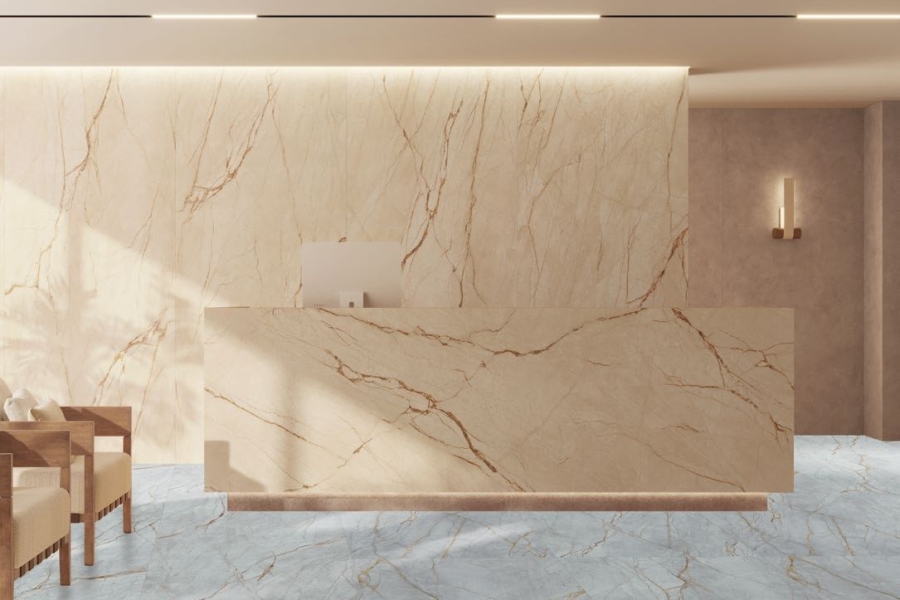
Lighting plays a key role in how tiles are perceived. In modern rustic interiors, light is used to reveal texture rather than highlight gloss. The interaction between light and material should feel natural. It should support the space rather than dominate it.
Matt and honed tiles respond well to both natural and artificial light. They create soft shadows and subtle variation across the surface. This enhances depth without introducing visual noise. In bathrooms, indirect lighting combined with a textured wall tile can create a quiet, atmospheric environment. In living areas, daylight moving across a stone look floor tiles adds warmth and variation throughout the day.
Balancing durability with aesthetic restraint
Performance. Integrity. Clarity.
Modern rustic luxury interiors are designed to last. Tiles must support daily use without compromising their appearance. Porcelain tiles is often selected for this reason. Its durability and low porosity make it suitable for high-use areas such as kitchens and bathrooms.
At the same time, material choice must align with the overall aesthetic. Overly polished or highly patterned tiles can disrupt the balance of the space. Simplicity and restraint are key. Stone look porcelain offers a practical alternative to natural stone, delivering similar tonal qualities with greater consistency. This allows designers to achieve the desired look while maintaining control over variation and performance.
Designing with longevity in mind
The success of a modern rustic interior lies in its longevity.
Modern rustic luxury interiors are not defined by trend. They are defined by balance. Tiles play a central role in achieving that balance, creating spaces that feel grounded, calm, and quietly refined. Materials should age well and remain relevant as furnishings and styling evolve.
Tiles form a permanent layer within the space. Their selection must be considered carefully. Neutral tones, subtle variation, and refined finishes provide flexibility over time. At Showtile, our collections are curated to support this approach. We prioritise material clarity, batch consistency, and finishes that align with contemporary architectural thinking.
Our expert sales team provides support with custom samples and technical guidance to ensure each specification contributes to a cohesive outcome. To explore our collection or request architectural samples, contact the Showtile team at sales@showtile.com.au or phone 02 9709 5836