


Luxury Tile Trends 2026: What Architects Are Choosing
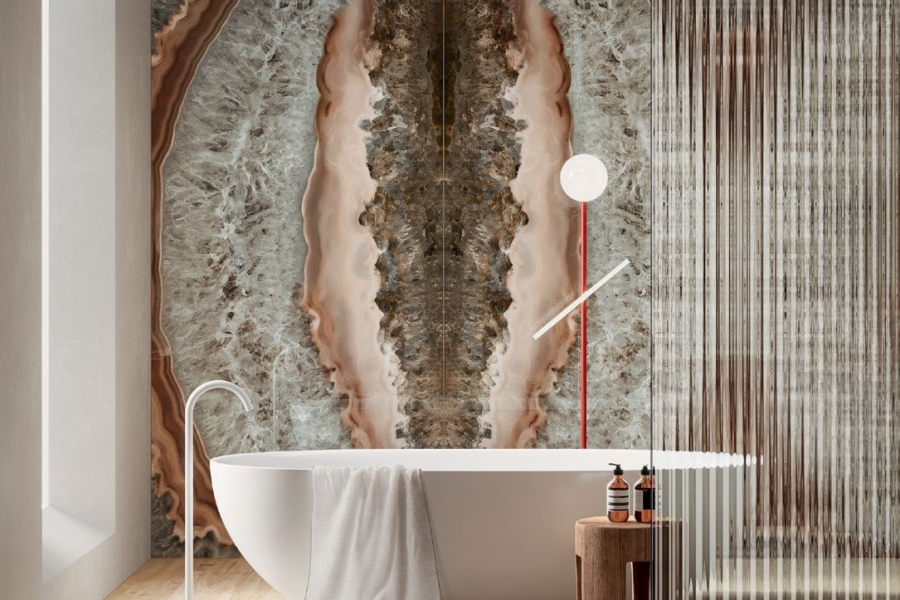
In 2026, luxury tile trends are reflecting a shift toward restraint, material honesty, and architectural continuity. Rather than bold statements or decorative excess, architects are specifying surfaces that feel grounded and enduring. The emphasis is on tonal cohesion, sculptural simplicity, and layered materiality. Tiles are selected not as feature items, but as structural elements within a broader spatial narrative. Proportion, finish, and flow take precedence over novelty. At Showtile, we observe these movements closely. Our collections are curated to align with contemporary architectural practice, where longevity and clarity define luxury and are always foremost in mind.
Material first thinking
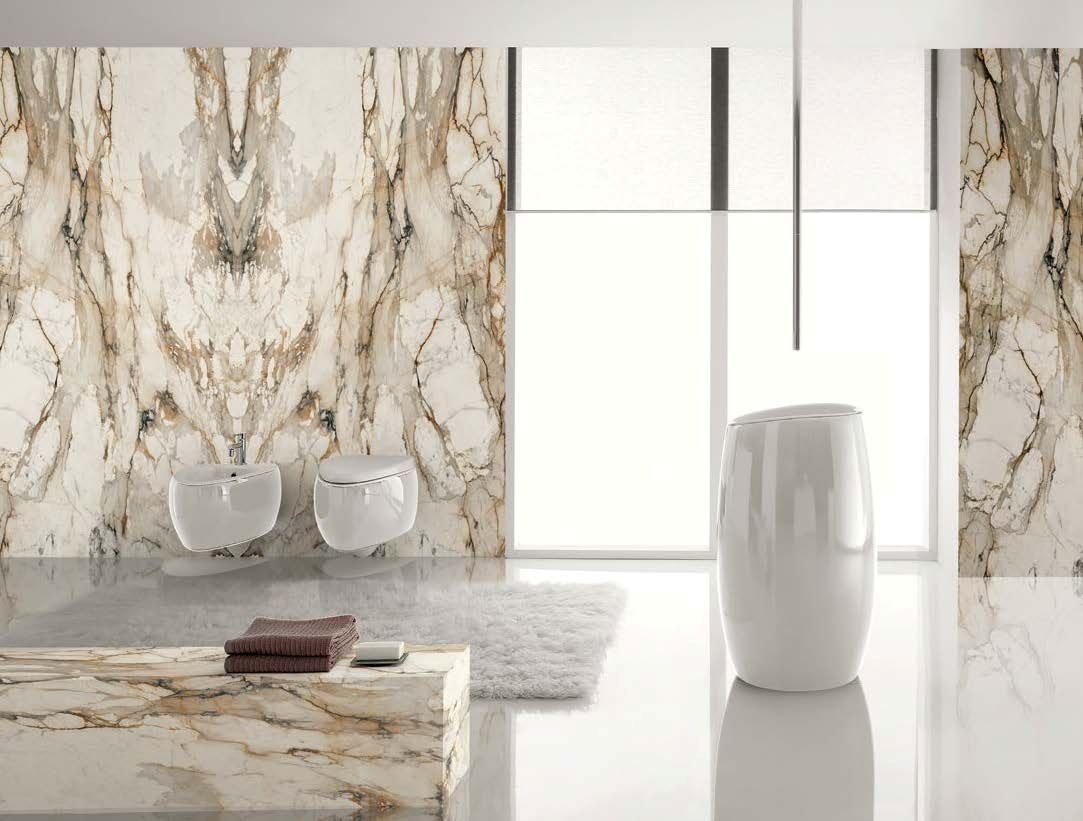
One of the defining luxury tile trends of 2026 is a return to material-led design. Architects are prioritising surfaces that echo natural stone tiles, concrete, and mineral textures without overt patterning. Stone and porcelain continue to lead this shift. Subtle veining, controlled tonal variation, and honed finishes provide depth while maintaining a sense of calm. These tiles perform reliably in wet zones, living spaces, and transitional areas without compromising aesthetic integrity. Porcelain slabs in larger formats are increasingly specified in high-end residential projects. Their scale reduces grout lines and enhances spatial flow. In ensuites, slabs can wrap floors and walls to create a unified volume. In kitchens, they extend seamlessly from the splashback to the island face. The material reads as architectural rather than decorative. At Showtile, that distinction defines the direction of 2026.
Matt and honed finishes continue to dominate
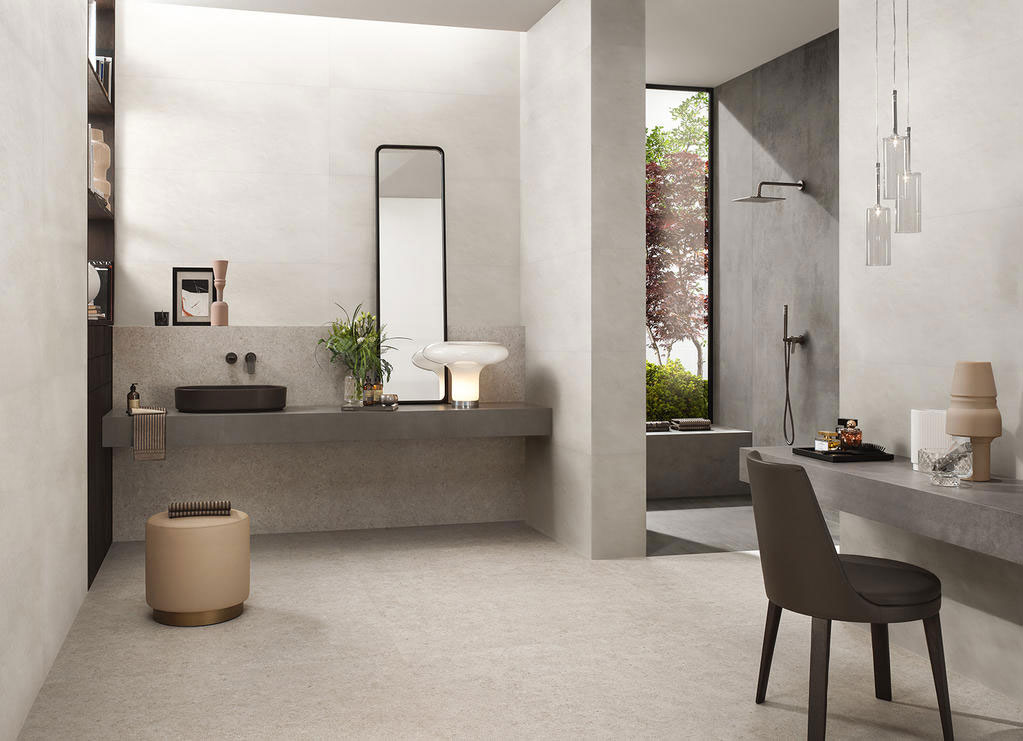
In 2026, surface character is expressed through restraint. Texture is quiet. Variation is deliberate. Think low reflectivity. Soft light absorption. Tactile calm. And in 2026, light diffusion has become central to all luxury tile trends. Gloss has receded in favour of matt and honed surfaces in recent years. Architects are designing interiors that soften glare and create atmosphere through shadow rather than shine. Matt tiles absorb light gently, allowing form and proportion to lead. Honed finishes introduce subtle tactility without visual noise. These finishes are particularly effective in bathrooms where calm is essential, and in living spaces where continuity across open plans is critical. In smaller bathrooms, a deep matte surface paired with warm lighting creates an intimate atmosphere. In larger bathrooms, pale honed stone tiles reflect daylight in a controlled way, enhancing volume without sharp contrast.
Large format for spatial continuity
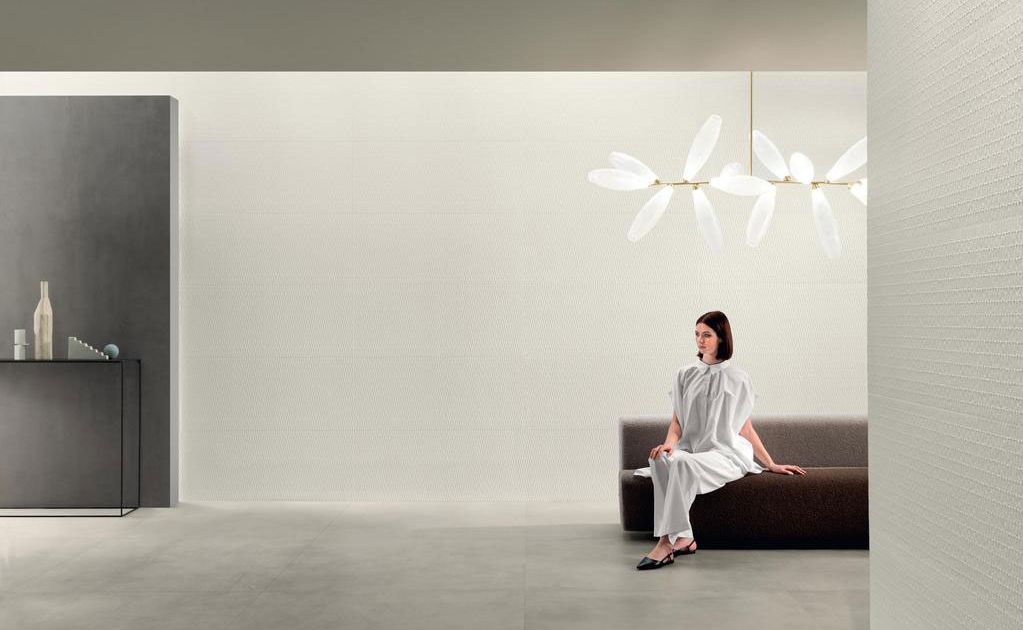
Fewer interruptions. Expanded planes. Clean geometry. In 2026, architects are increasingly aligning grout joints with joinery lines and structural elements. This precision reinforces architectural intent. Tile becomes part of the structural rhythm rather than a secondary layer. Large-format tiles are no longer reserved for expansive projects. They are being used strategically to support spatial clarity in both compact and generous interiors. Reducing grout lines enhances visual flow. A floor finished in large-format porcelain establishes a calm base. When that same tile continues up a shower wall or across a fireplace surround, the result is cohesive and composed. Even in smaller bathrooms, large-format tiles can extend perceived scale. The key lies in proportion and thoughtful detailing. For projects that require seamless continuity between internal zones, our curated tile collection supports a consistent material language across volumes.
Monochromatic and mineral palettes
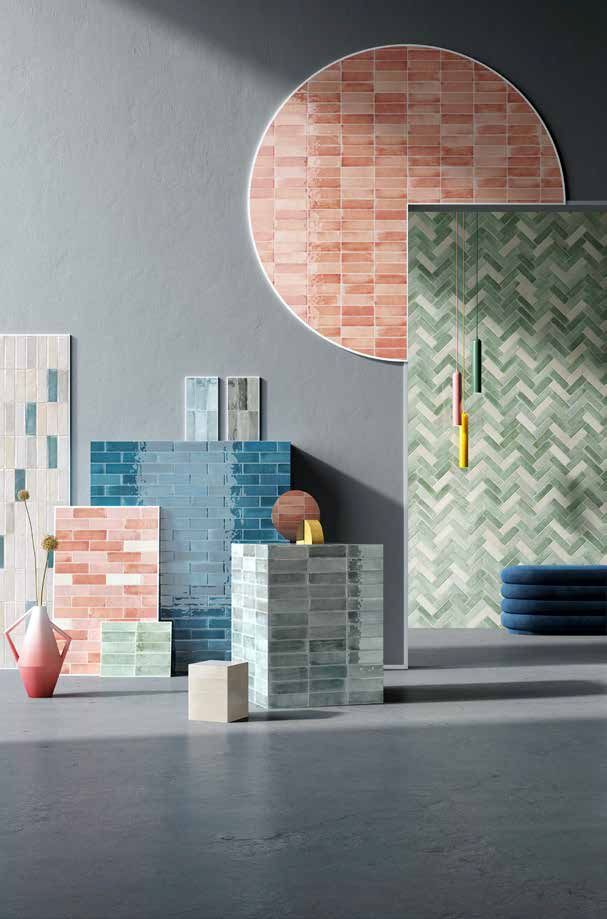
Layered neutrals. Subtle contrast. Tonal depth. Colour in luxury tile trends in 2026 is subdued. Architects are favouring mineral tones such as warm limestone hues, muted greys, clay undertones, and soft sand. Rather than bold contrast, depth is achieved through tonal layering. A bathroom may combine two shades within the same colour family. A kitchen splashback might shift slightly in tone from the benchtop, maintaining cohesion while introducing gentle distinction. Tonal variation is controlled, not chaotic. Batch consistency and finish integrity are therefore essential to specification. This approach supports longevity. Highly saturated colours and dramatic veining can date quickly. Refined palettes grounded in natural references maintain relevance over time.
Textural layering over pattern
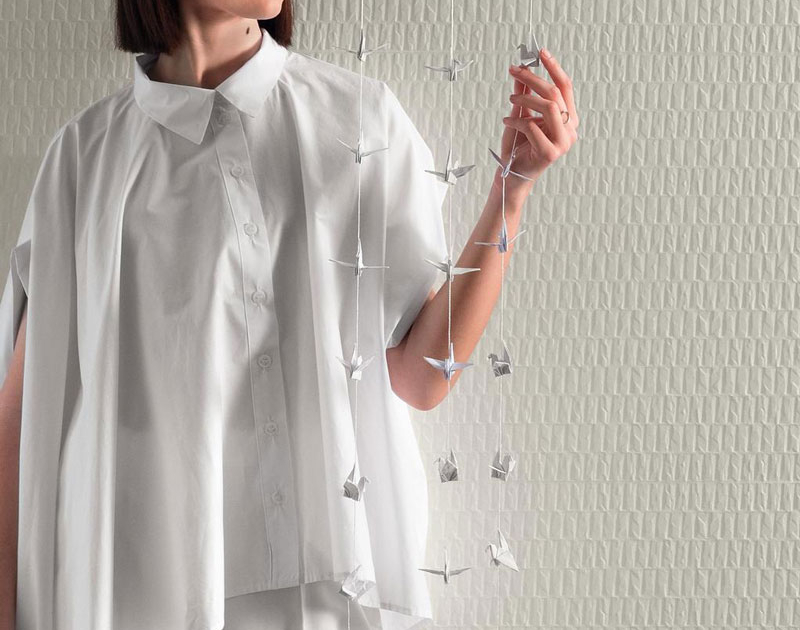
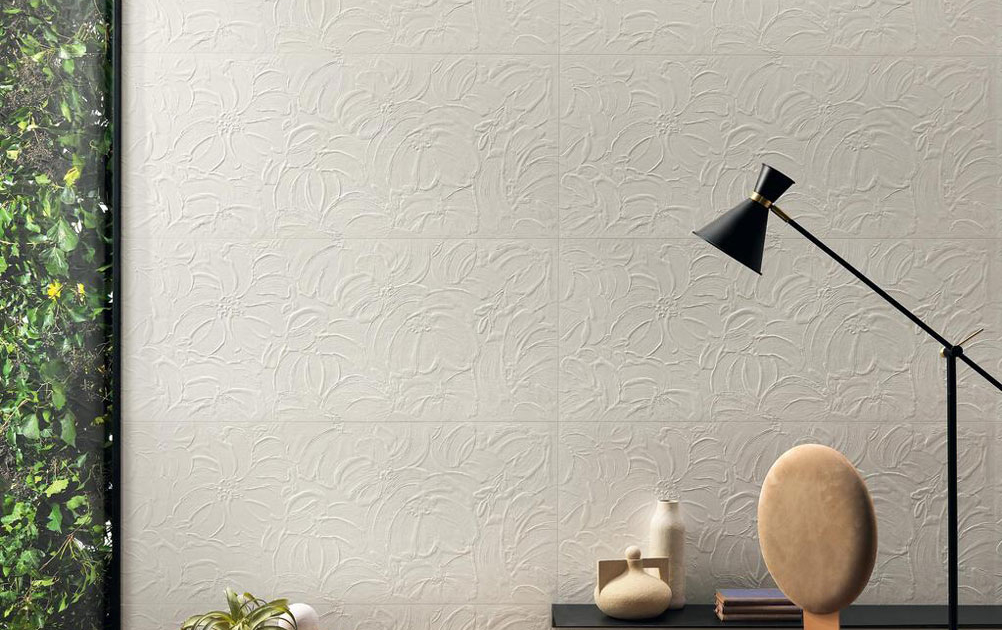
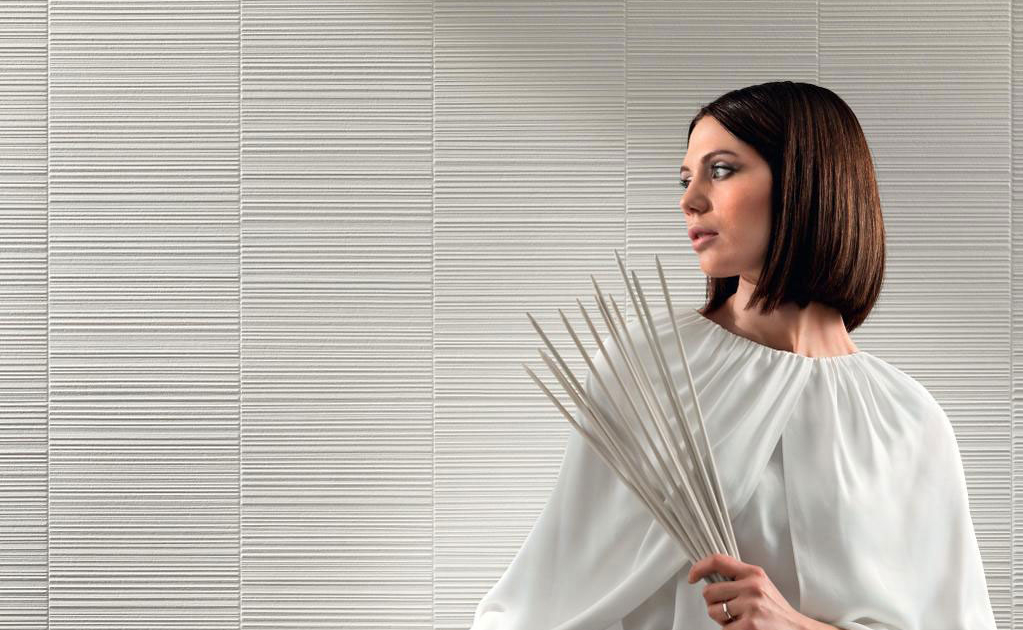
The use of patterns has not disappeared in 2026, but it has evolved. The emphasis is on tactile experience. Surfaces invite touch; they do not compete for attention. Instead of graphic prints or busy mosaic tiles, architects are exploring texture as a means of expression. Lightly brushed surfaces, subtle relief patterns, and softly ribbed wall tiles introduce dimension without visual overload. These are often used selectively, such as behind a freestanding bath or along a stairwell. In living rooms, a textured tile on a fireplace wall can add sculptural interest while staying within a neutral palette. In kitchens, matte subway tiles in elongated proportions provide rhythm without distraction.

Indoor and outdoor continuity
Another defining aspect of luxury tile trends in 2026 is the desire for continuity between interior and exterior spaces. Architects are specifying the same stone look porcelain indoors and in covered outdoor areas, adjusting slip resistance where required. This alignment strengthens spatial flow and supports a cohesive architectural narrative. When floor levels align and materials continue outward, the home feels expansive. Courtyards, alfresco areas, and pool surrounds become extensions of interior living rather than separate zones. Finish selection becomes critical. External surfaces require performance characteristics that do not compromise visual clarity. Many contemporary porcelain collections offer this balance.
Bathrooms as private retreats
Bathrooms remain central to luxury tile specification, and in 2026, the spa-inspired retreat continues to guide material decisions. Architects are designing bathrooms as sanctuaries. Tile selection underpins that ambition. Large-format matt tiles on both the floor and the wall create an enclosure. Niche detailing is precisely aligned with the grout joints. Fixtures are pared back to allow surfaces to lead. In ensuites, tonal continuity between bedroom flooring and bathroom tiles enhances cohesion. In powder rooms, a darker mineral tone can provide intimacy without heavy contrast.
Why these trends matter
Luxury tile trends in 2026 are not about novelty. They reflect a broader movement toward material clarity and spatial restraint. Tiles are being used to support architecture rather than decorate it. Finish, proportion, and tonal consistency matter more than surface spectacle. The result is interiors that feel grounded and composed. At Showtile, our collections are curated with this direction in mind. We prioritise architectural relevance, batch consistency, and finish integrity. Our designers are supported by technical documentation and architectural samples to ensure each specification aligns with the project’s intent. Luxury is expressed through discipline. Through controlled variation. Through surfaces that feel considered rather than reactive.
Key Takeaways
To explore our collection or request architectural samples, contact the Showtile team at sales@showtile.com.au or call (02) 9709 5836.



