


Luxury Living Rooms: Designer-Approved Tile Tips to Transform Your Space
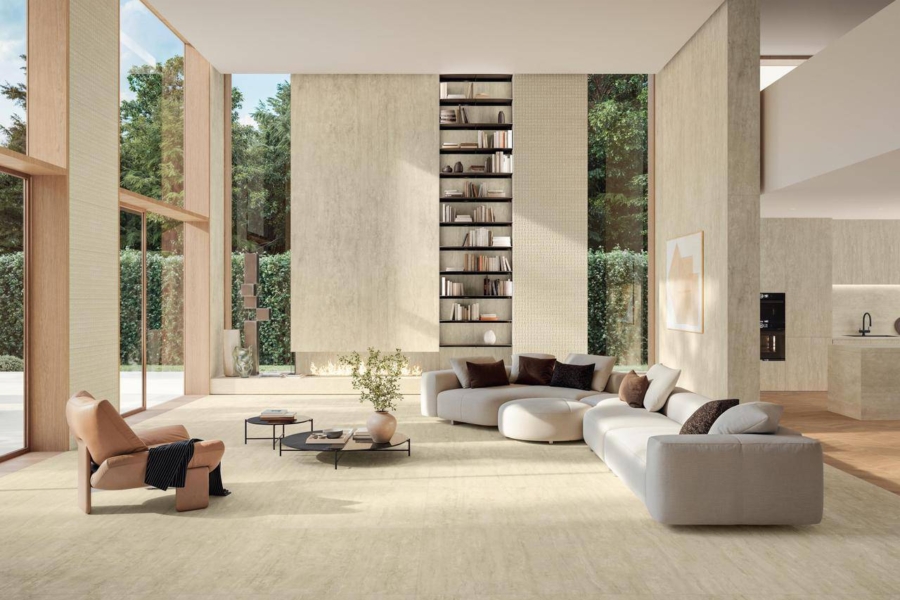
Luxury living rooms are defined by restraint, proportion, and material choice. Spaces should feel composed rather than styled, with surfaces that support the architecture rather than compete with it. In this context, luxury living room tiles play a central role. They establish tone, guide movement through the space, and anchor furniture and joinery within a cohesive palette. At ShowTile, our luxury living room collection is expertly curated within an architectural framework that creates continuity, depth, and long-term relevance in living rooms.
Why Tile Belongs in the Living Room
Tiles are no longer just confined to wet areas. In contemporary design, they have become a deliberate choice for living rooms where durability meets visual clarity. Living room tiles offer stability and consistency across large, open-plan layouts. Their refined finishes allow living spaces to feel calm and ordered, even at scale. Modern homes tend to blur the boundary between living rooms and adjacent areas.
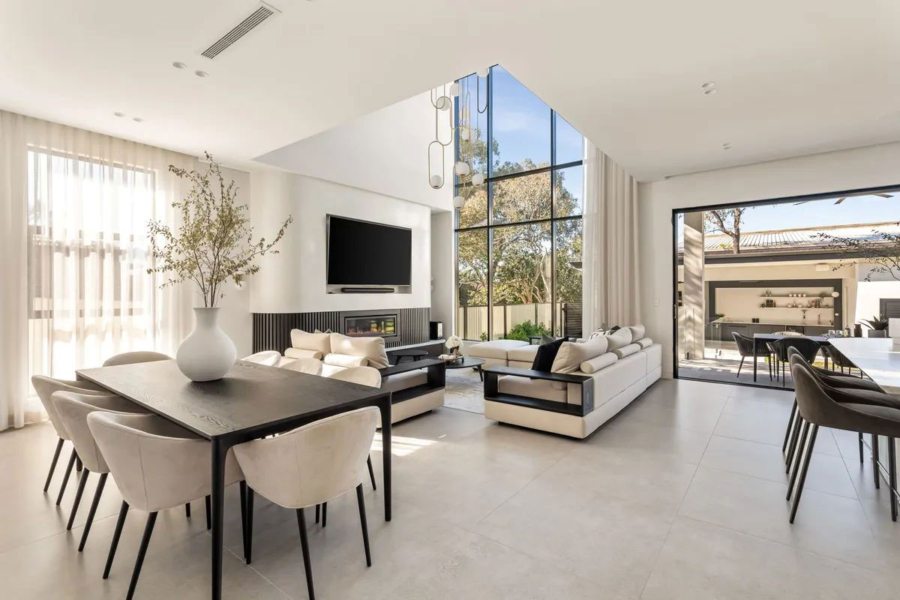
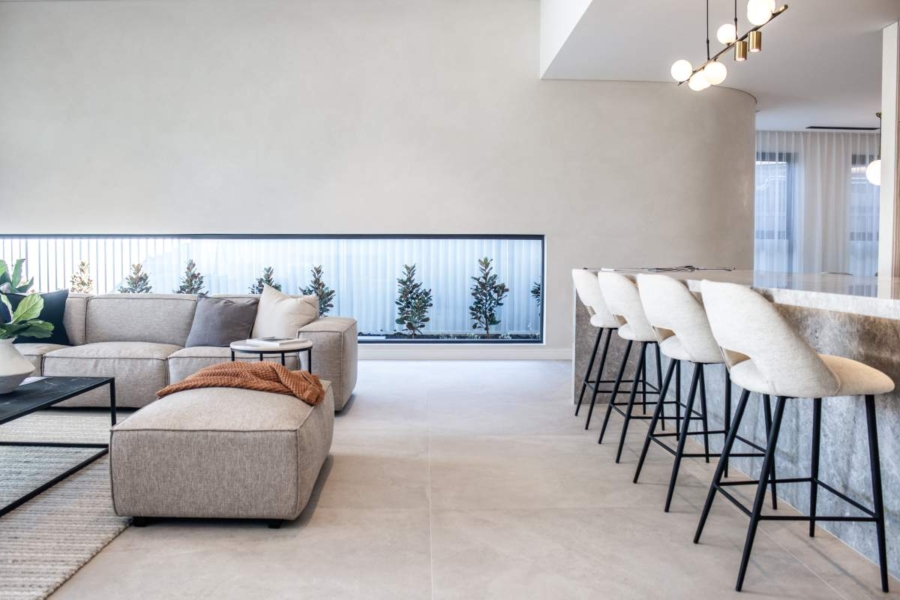
This continuity reinforces the spatial flow and strengthens the home’s architectural intent. Tiles support this connection by offering a consistent surface across multiple zones. Extending the same tile from the living room into hallways or kitchens creates a sense of flow. And when living rooms open onto outdoor areas, matching or closely related tiles can be used outside to reinforce continuity. This approach strengthens the architectural narrative of the home and enhances the experience of moving through it.
Material and Architectural Intent
Material choice should reflect how the living room is used. Porcelain is favoured for its strength and low porosity, making it suitable for high-traffic areas without compromising elegance. Large format porcelain slabs create expansive surfaces that minimise visual interruption. This approach works exceptionally well in modern living rooms where clean lines and simplicity are key. Their controlled movement allows furniture and artwork to take focus while the floor provides subtle texture and grounding.
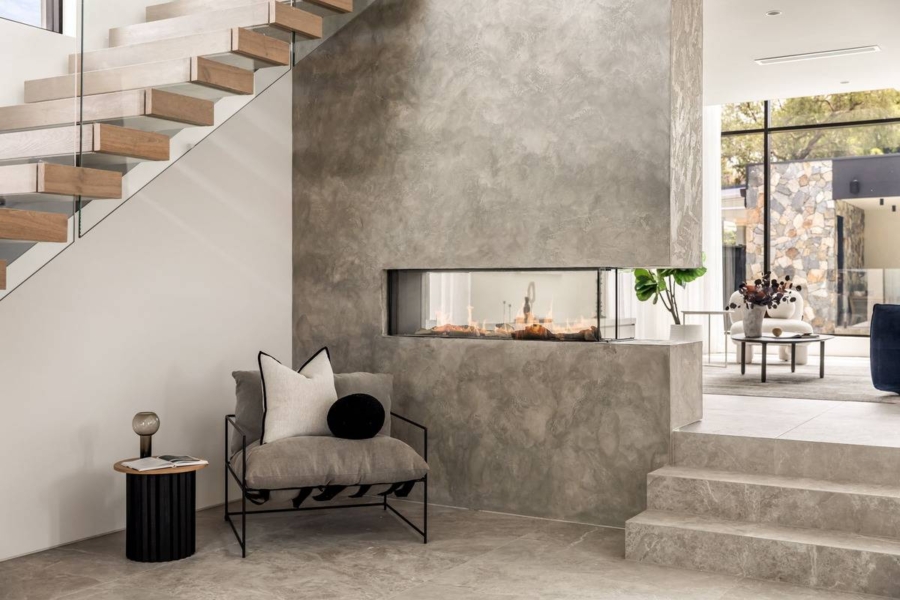
Stone-look porcelain tiles have become a cornerstone of luxury living room design, introducing natural variation and warmth while retaining the precision of a manufactured surface. They offer the character of natural stone with consistent tone and ease of maintenance. Subtle veining and tonal variation bring warmth and authenticity without visual clutter. These tiles work well in both contemporary and classic interiors, providing a neutral backdrop that supports layered materiality. Paired with timber furniture, textured fabrics, or sculptural lighting, stone-look tiles create a balanced environment that feels grounded and refined. Additionally, porcelain tiles retain their appearance with minimal upkeep, making them ideal for everyday living. Their resistance to wear and staining ensures long-term performance without compromising aesthetics. At ShowTile, we find this delicate balance of beauty and practicality aligns with the expectations of contemporary luxury.
Finish and Surface Texture
Finish influences how a living room feels throughout the day. A balance between smooth and textured finishes should support the room’s scale and the level of formality desired. Matt and honed finishes soften light and reduce glare, contributing to a relaxed atmosphere. These surfaces absorb light rather than reflect it sharply, which suits spaces intended for rest and conversation. Meanwhile, textured tiles add tactility and depth, particularly in larger rooms where a completely smooth surface may feel flat. Slight surface relief introduces shadow and variation without overwhelming the overall design.
Colour Palettes That Endure
Neutral palettes dominate luxury living rooms for a reason. Soft greys, warm beiges, and layered off-whites provide a foundation that adapts to changing furniture and finishes over time. The key is tonal consistency. Tiles in these tones create visual calm and allow flexibility in styling. Floors should relate closely to wall finishes, joinery, and soft furnishings.
Show tile designer advice: Darker tiles can be used selectively to add depth or define zones in an open-plan space.
Large Format Tiles and Spatial Flow
Large-format tiles are particularly effective in living rooms, where uninterrupted surfaces enhance scale. This is especially important in homes with generous living areas or high ceilings. Large format porcelain tiles draw the eye outward, making the room feel more expansive. When aligned with architectural elements such as sliding doors or built-in shelving, they reinforce order and proportion. Careful layout planning ensures that tile lines complement the room’s geometry.
ShowTile designer advice: Choosing larger-format tiles reduces grout lines, resulting in a cleaner appearance and stronger visual continuity.
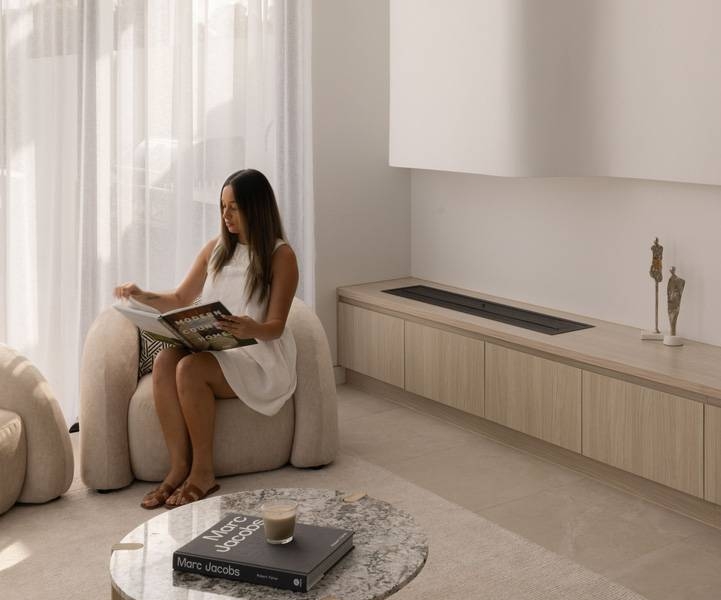
ShowTile designer advice: Choosing larger-format tiles reduces grout lines, resulting in a cleaner appearance and stronger visual continuity.
Tile Integration with Furniture, Fireplaces and Focal Elements
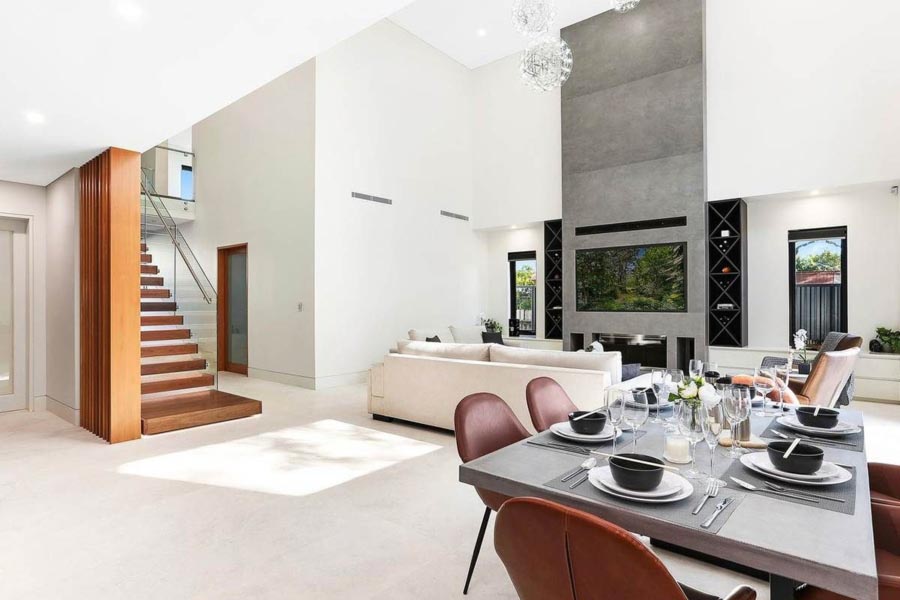
Tiles should support the furniture layout rather than dominate it. In luxury living rooms, the floor often acts as a quiet canvas. Low contrast tiles allow seating, tables, and cabinetry to define the space. In open-plan layouts, tiles can help delineate zones through subtle changes in tone or format. For example, the same tile may be used throughout, but laid in a different orientation to suggest a separation between the living and dining areas. This approach maintains continuity while acknowledging functional differences. In living rooms with fireplaces, tiles can also play a defining role. Tiled hearths and surrounds frame the fireplace as an architectural feature rather than a decorative add-on. Large format porcelain slabs create a monolithic effect that feels modern and intentional. Stone look tiles add texture and warmth, complementing the natural presence of fire.
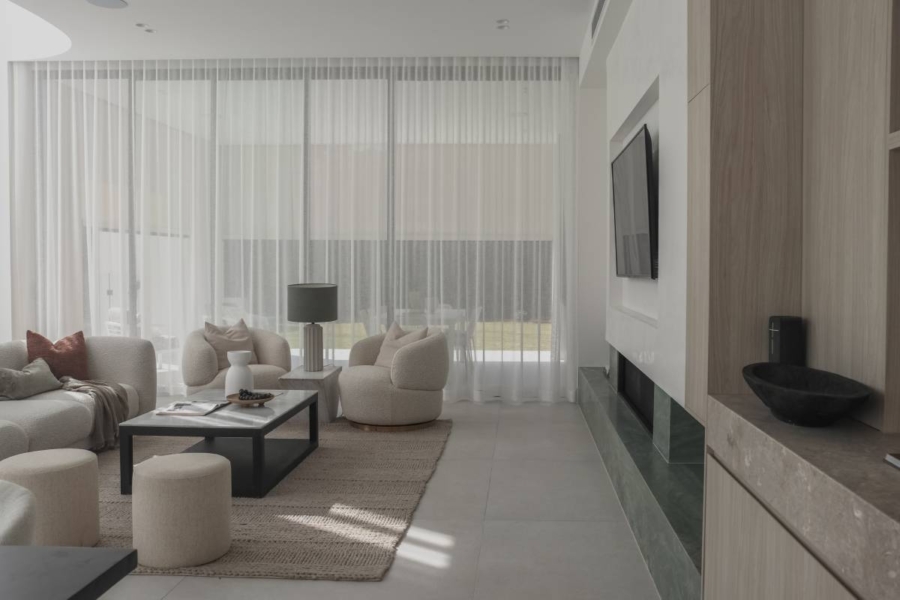
ShowTile designer advice: The finish choice should align with the room’s mood. Choose a colour and style that best flows with your living room environment.
Lighting and Tile Interaction
Lighting reveals the true character of tiles. Natural light highlights surface texture and tonal variation, while artificial lighting shapes mood after dark. In living rooms, indirect lighting pairs well with matt and honed tiles, creating a soft and inviting atmosphere. Downlights can be positioned to avoid harsh reflections, ensuring the floor reads as calm and cohesive. Our ShowTile designers spend hours testing tile samples under natural, daylight and evening lighting to confirm the desired effect. For assistance in achieving a refined outcome, please speak with our design team
A Considered Approach to Living Room Design
Designing a luxury living room requires thoughtful material selection and restraint. Tiles provide a foundation that supports architecture, furniture, and light. When chosen with care, they contribute to spaces that feel composed, timeless, and comfortable. At ShowTile, our curated range of living room tiles is selected to meet these demands, offering refined finishes, balanced palettes, and architectural clarity.
To explore our collection, speak to our expert design team or request architectural samples, contact the Show Tile team at sales@showtile.com.au or call (02) 9709 5836.



