


The Timeless Elegance of Luxury Limestone Outdoor Tiles
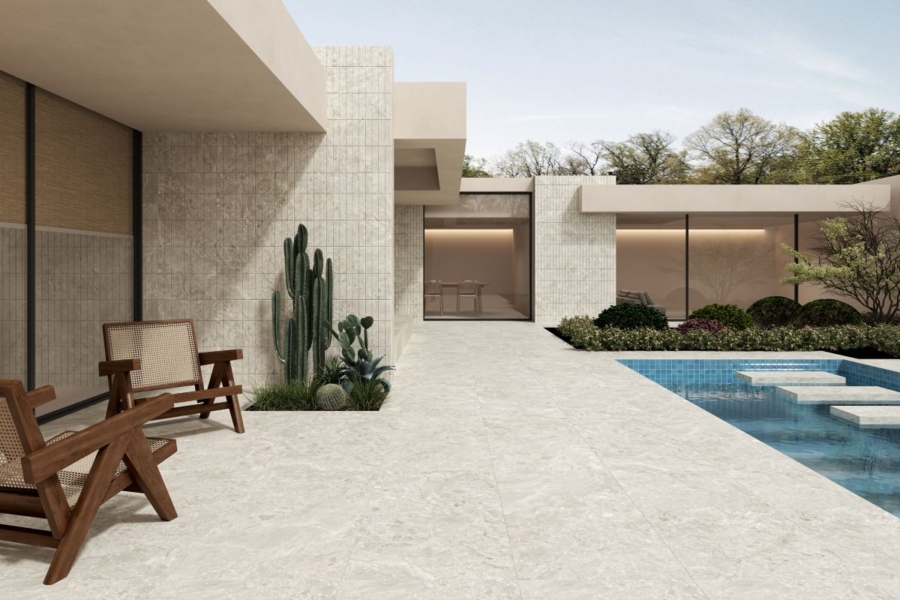
Limestone outdoor tiles sit at the intersection of architecture and landscape. They bring a softness that few materials can match, allowing external spaces to feel grounded, calm, and resolved. In projects where the transition from interior to exterior is carefully considered, limestone becomes more than a surface. It becomes part of the spatial language. The appeal of limestone outdoor tiles lies in their restraint. Their muted tonal variation, chalky texture, and ability to respond gently to light make them a consistent choice for architects seeking clarity over contrast. Surfaces read as cohesive rather than segmented. Outdoor areas feel connected to the home, not separate from it. At Showtile, our expert tile curators approach limestone through an architectural lens. Our limestone collection is selected for performance across space, its weathering over time, and its contribution to a refined palette that supports both the built form and the surrounding landscape.
What defines limestone outdoor tiles
A restrained colour spectrum characterises limestone outdoor tiles. Soft beiges, warm greys, and pale mineral tones create a base that works across a wide range of architectural styles. This neutrality allows other materials, such as timber, metal, and planting, to sit comfortably alongside. Tonal variation is present but controlled. Unlike heavily veined stone, limestone offers movement without disruption. Surface texture is equally important. Most limestone is finished in a honed or lightly textured state, which softens reflectivity and enhances tactility. Underfoot, it feels grounded and stable. Visually, it avoids sharp contrast or glare, especially in high sun conditions. This quality supports continuity across large outdoor expanses such as courtyards, pool surrounds, and terraces.
Soft tonal range. Subtle texture. Natural variation.
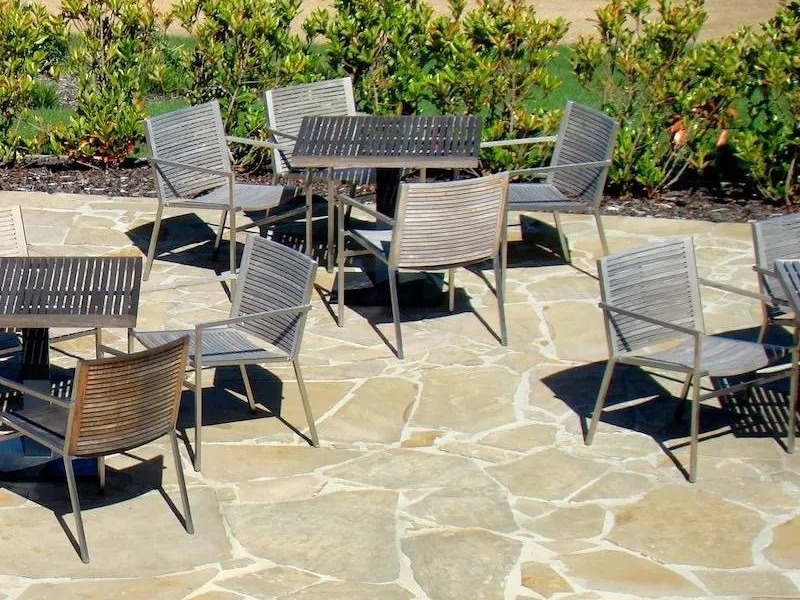
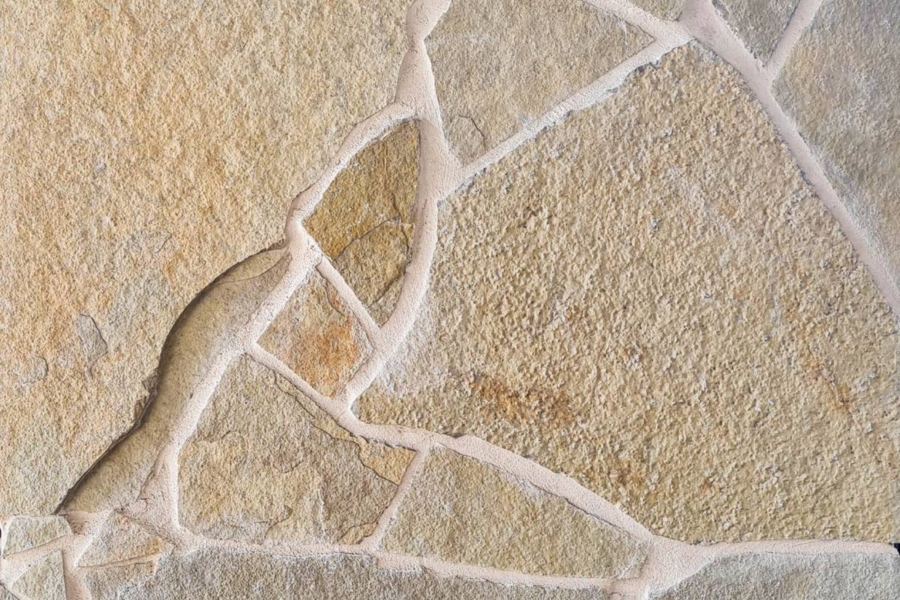
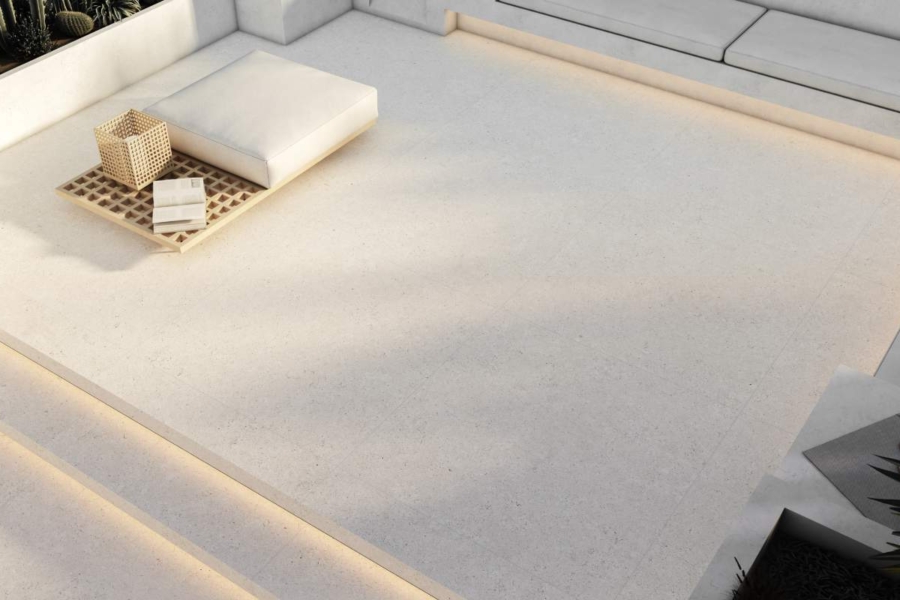
Continuity. Material honesty. Integration with landscape.
Why architects choose limestone for outdoor spaces
Limestone outdoor tiles are often specified where a project requires cohesion between architecture and environment. Their natural composition allows them to sit comfortably alongside rendered walls, concrete elements, and garden planting. In open-plan homes that extend into outdoor living zones, limestone can be used to create a seamless threshold. When internal flooring aligns in tone with external limestone, the transition becomes almost imperceptible. This supports spatial flow and reinforces a sense of expansion. Limestone also works well in layered outdoor environments. It can ground seating areas, define pathways, or frame garden beds without requiring additional visual markers. In pool settings, limestone offers a softer visual edge than darker or more reflective materials, with its surface complementing the movement of light without competing with it.
Material benefits and performance
One of the primary benefits of limestone outdoor tiles is thermal behaviour. Compared to darker or denser materials, limestone tends to remain cooler underfoot in direct sunlight. This makes it particularly suited to pool surrounds and exposed terraces. Its natural composition also contributes to a softer visual presence. Surfaces age gradually, developing character over time rather than appearing worn. This aligns with architectural approaches that value longevity and patina. Limestone is also relatively easy to cut and detail, allowing for clean edge profiles and consistent installation across complex layouts. This supports precision in coping, step detailing, and transitions between levels. When paired with contemporary construction methods, limestone can be installed to support both drainage and long-term stability.

Natural composition. Thermal comfort. Visual stability.
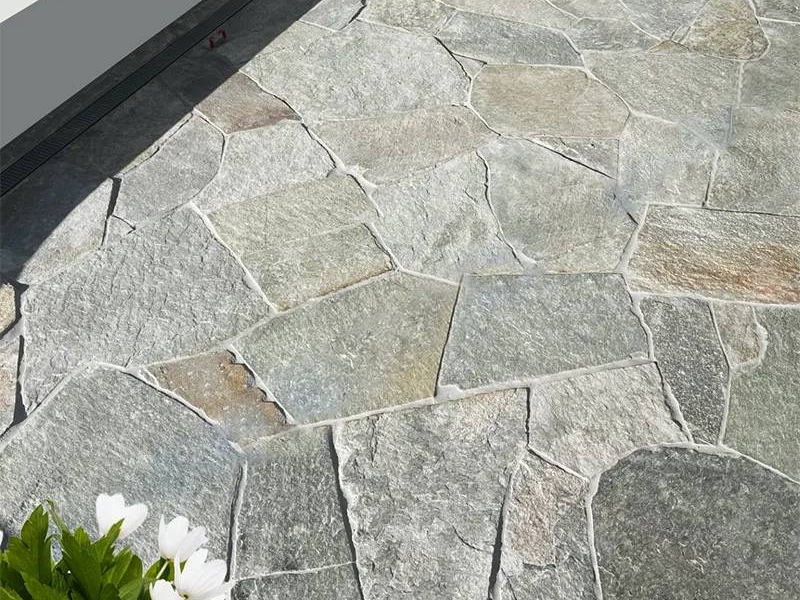
Porosity. Maintenance. Consistency.
Considerations and potential drawbacks
Regular maintenance is part of the lifecycle of natural stone, and limestone outdoor tiles require a considered approach to specification and maintenance. As a natural stone, limestone is more porous than porcelain. This means it can absorb moisture if not properly sealed. Sealing is essential to maintain appearance and prevent staining, particularly in areas exposed to water, organic matter, or heavy use. Colour consistency can also vary between batches. While this variation contributes to its appeal, it requires careful selection and planning during installation to ensure a balanced result across large areas. Slip resistance should be addressed through appropriate surface finishes. Lightly textured or sandblasted limestone is often specified for outdoor applications to provide grip without compromising visual clarity. For projects where lower maintenance is a priority, homeowners may consider alternatives such as stone-look porcelain. These materials replicate the tonal qualities of limestone while offering enhanced durability and reduced upkeep.
Styling limestone outdoor tiles within architectural spaces
Limestone outdoor tiles work best within a restrained palette; The aim is to allow materials to complement rather than compete. Pairing them with warm timber, off-white render, and brushed metal creates a balanced composition. In courtyards, limestone can be laid in large-format modules to reinforce a sense of scale. Minimal grout lines support continuity. In more intimate spaces, slightly smaller formats can introduce rhythm without fragmentation. Around pools, a consistent limestone tone across coping and surrounding paving creates a unified edge. This approach avoids visual breaks and supports a calm, continuous surface. Vertical integration can also be considered. Extending limestone onto low walls, steps, or outdoor seating elements strengthens the architectural language. It creates a sense of enclosure without heaviness. Lighting should be approached with restraint. Soft, indirect lighting enhances the natural texture of limestone without creating harsh contrast. This is particularly effective in evening settings where the material takes on a more muted, atmospheric quality.
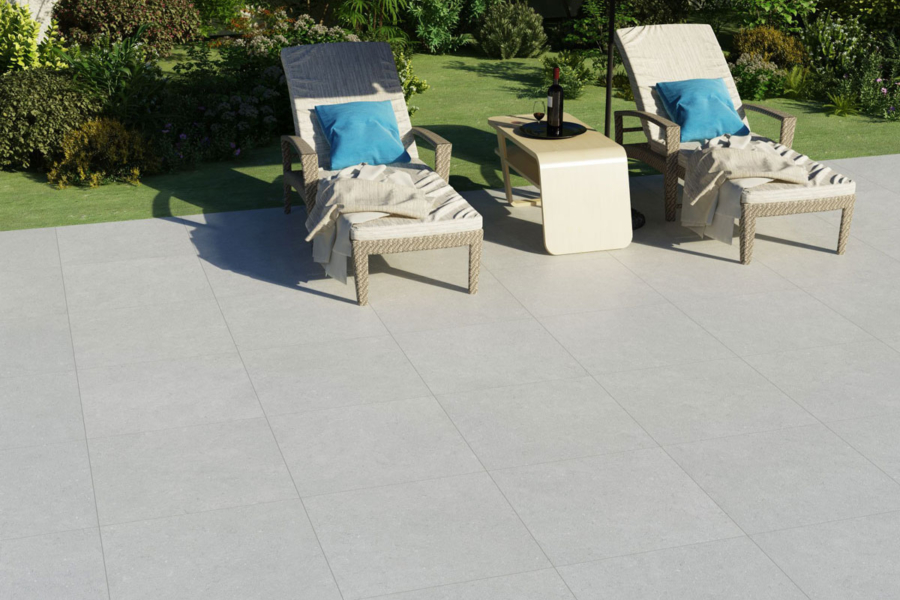
Refined palette. Layered materials. Controlled contrast.
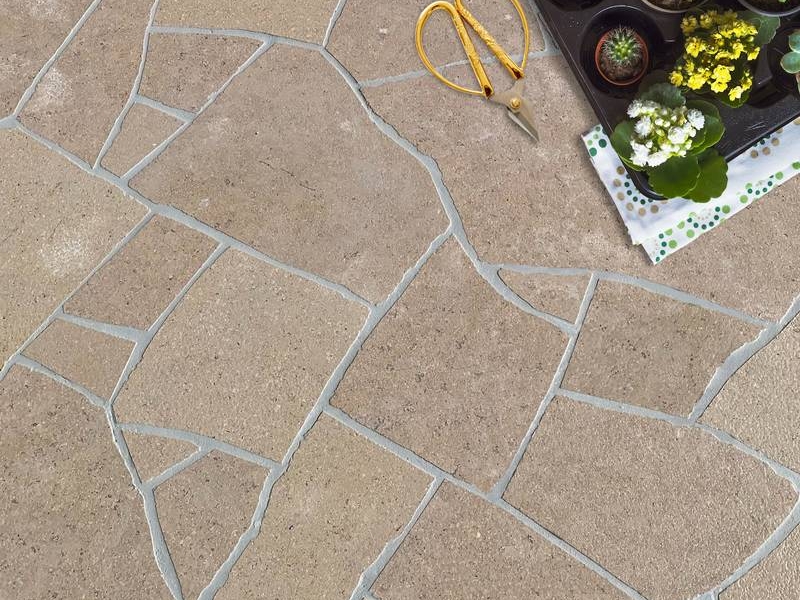
Timeless material. Considered detailing. Consistent finish.
Designing for longevity and architectural clarity
Outdoor tiles are not defined by trend; Their appeal lies in their ability to remain relevant as surrounding elements evolve. They do not rely on contrast or pattern. Instead, they create atmosphere through material honesty, spatial continuity, and measured restraint. When specified carefully, they support spaces that feel grounded and resolved over time. Attention to detail is critical. Edge alignment, grout selection, and level transitions all contribute to the outcome. These decisions determine whether the material reads as refined or unresolved.
At Showtile, our range includes only the highest-quality limestone tiles, chosen for their architectural compatibility. We focus on tonal balance, finish integrity, and suitability across outdoor environments. Samples and technical guidance support designers to ensure that each specification aligns with the project’s intent. To explore our collection or request architectural samples, contact the Showtile team at sales@showtile.com.au or phone 02 9709 5836
TLDR: Luxury Limestone Outdoor Tiles
Limestone is the premier choice for architects seeking spatial continuity and a refined, organic aesthetic. It acts as a bridge between interior design and the natural landscape.
- Key Characteristics: Features a soft tonal range (beiges, warm greys), chalky textures, and subtle mineral variations that create a calm, grounded atmosphere.
- Architectural Benefits: Its low reflectivity prevents glare in high sun, and its thermal properties keep the stone cooler underfoot, making it perfect for pool surrounds and terraces.
- Maintenance & Performance: As a natural, porous stone, it requires sealing to prevent staining. While it develops a beautiful patina over time, it needs more care than porcelain alternatives.
- Best For: Seamless indoor-outdoor transitions, large-format courtyards, and projects where “material honesty” and timelessness are prioritised over modern trends.
The Bottom Line: Limestone offers a sophisticated, soft-edged finish that integrates perfectly with timber, concrete, and greenery, provided you are committed to the occasional maintenance natural stone demands.



